
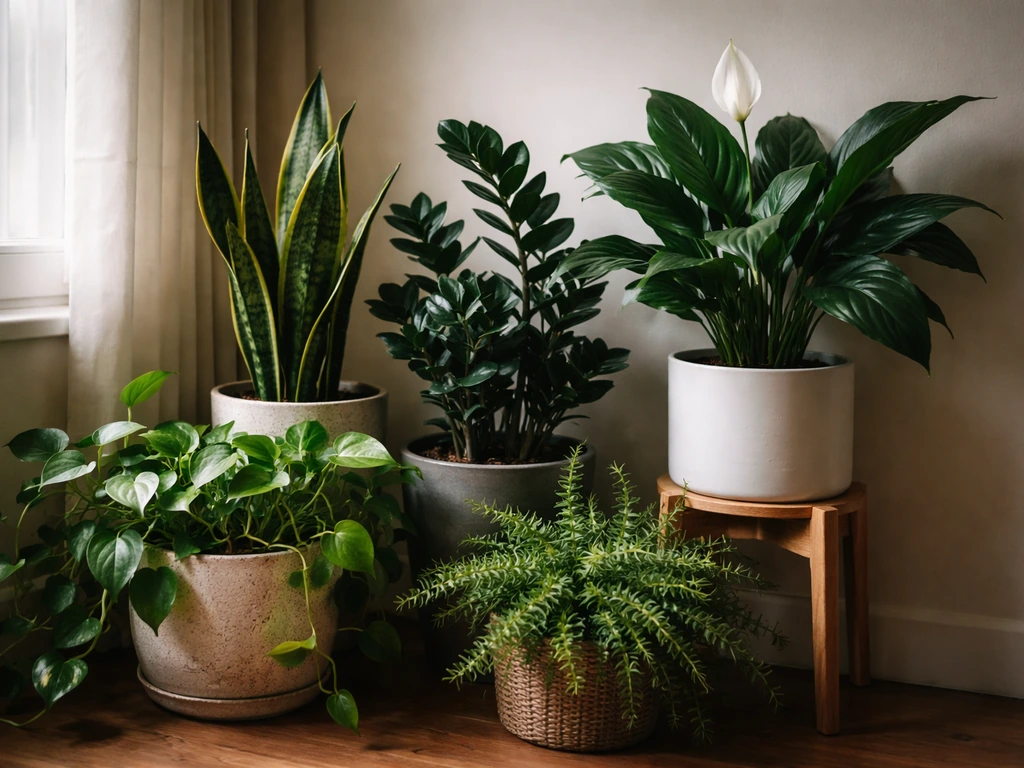
Yes, a solid handful of houseplants can genuinely grow (not just limp along) in low-light conditions. The best ones include ZZ plants, snake plants, pothos, peace lilies, cast iron plants, heartleaf philodendrons, Chinese evergreens, and dracaenas. These aren't just surviving in dim corners, they're photosynthesizing well enough to push out new leaves, stay healthy, and look good doing it. That said, 'low light' means something specific, and matching the right plant to your actual light level is what separates a thriving plant from one that slowly declines over a few months.
Plants That Can Grow in Low Light: Best Indoor Choices
Marcus Hartley
30 Apr 2026
What 'low light' actually means in your home
This is where most people go wrong. 'Low light' isn't just 'my room feels dim.' It has a measurable range. University of Maryland Extension defines low light as roughly 25 to 100 foot-candles (about 270 to 1,080 lux), while University of Missouri Extension puts it a bit higher at 50 to 250 foot-candles. Either way, we're talking about the light level you'd find in a room with no direct sun, maybe a north-facing window, or a spot several feet back from any window.
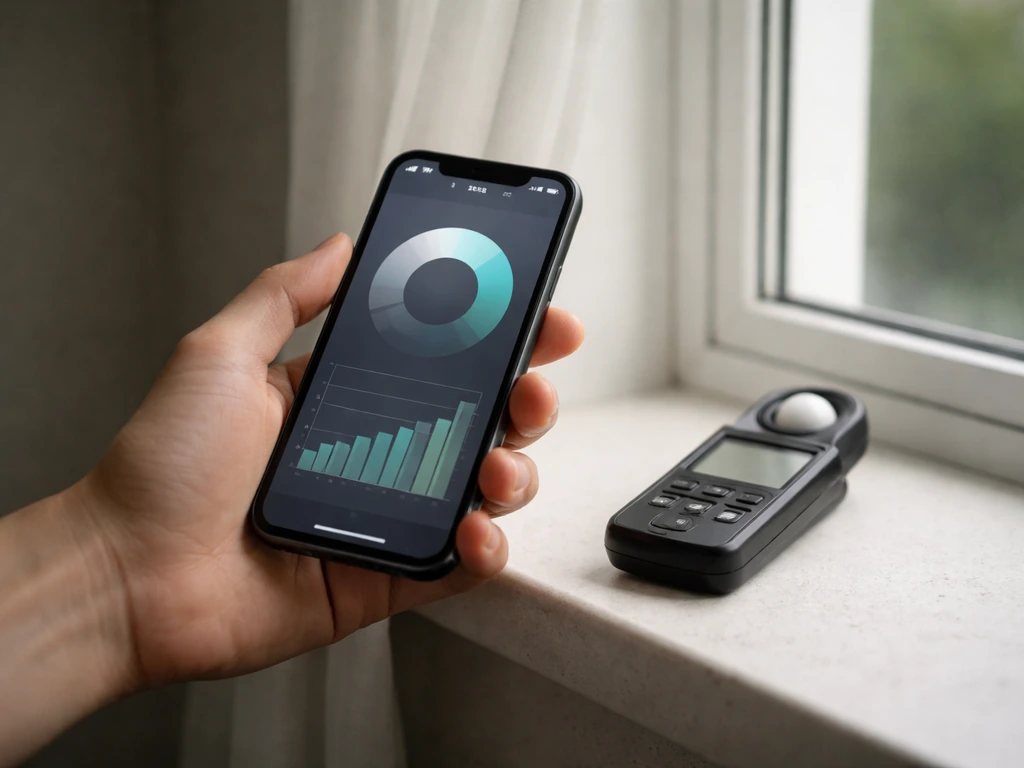
To get a real measurement, you can use a simple foot-candle meter or a lux meter (there are free smartphone apps that work reasonably well for casual diagnosis). Take a reading mid-morning on a typical day, holding the meter at the height of your plant's leaves. If you're getting 50 to 250 foot-candles, you're in genuine low-light territory. Below 25 foot-candles, most plants will struggle no matter what the label says.
One thing worth knowing: foot-candles and lux measure brightness as human eyes perceive it, which doesn't perfectly match the PAR wavelengths plants actually use for photosynthesis. If you're adding grow lights, PPFD (micromoles per square meter per second) is the more accurate metric. For natural-light assessment though, foot-candles and lux are practical and totally usable.
A few quick ways to self-diagnose your space without a meter: a north-facing window is your lowest-light option and counts as full shade. East-facing windows deliver gentle morning sun and are generally better than north. A spot more than 8 to 10 feet from any window in a room is likely under 50 foot-candles. If you hold your hand up and the shadow it casts is very faint or barely visible, you're in low-light territory.
The best low-light houseplants, organized by what you need
Practically indestructible (true low-light champions)
These plants aren't just tolerant of low light, they're genuinely adapted to it. They've evolved under forest canopies where filtered light is the norm, so a dim apartment corner is actually close to their natural habitat.
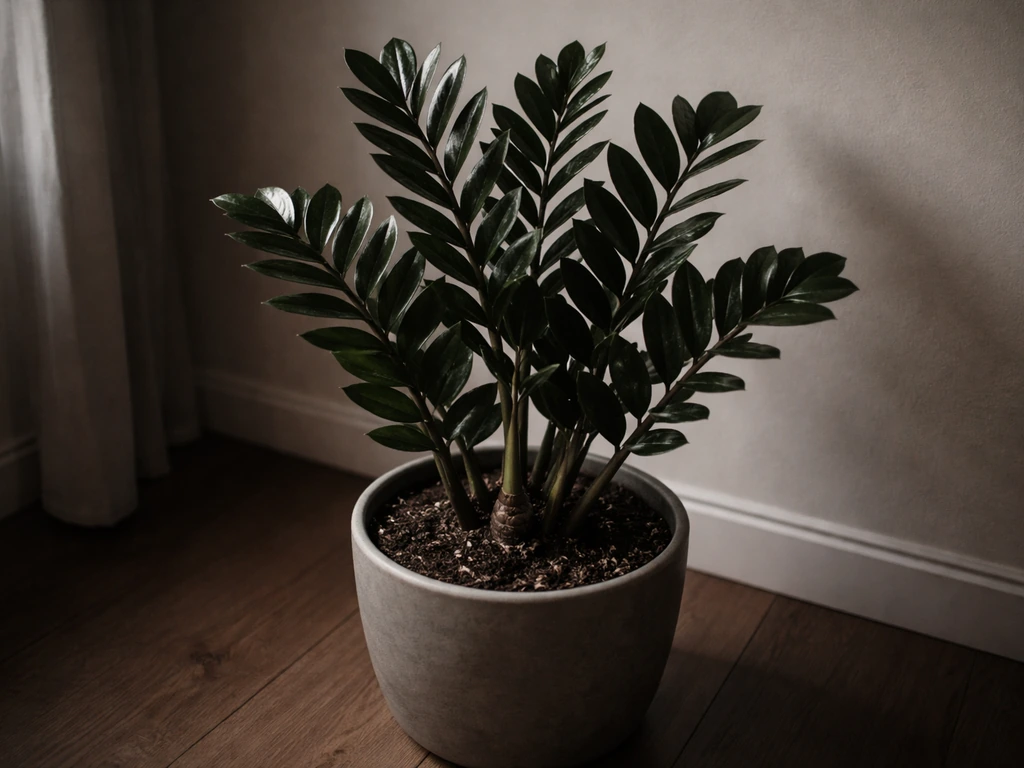
- ZZ plant (Zamioculcas zamiifolia): Stores water in thick rhizomes, grows slowly but steadily in 50+ foot-candles, and handles neglect better than almost anything else.
- Snake plant / mother-in-law's tongue (Sansevieria or Dracaena trifasciata): Tolerates as low as 25 foot-candles per Penn State Extension measurements, though growth will be very slow at that level.
- Cast iron plant (Aspidistra elatior): Lives up to its name. One of the toughest low-light plants available, handles deep shade, cold, and neglect with minimal complaint.
- Pothos (Epipremnum aureum): Fast-growing even in low light, trails or climbs, and gives you clear visual feedback when it needs more light (leaves space out, stems get leggy).
- Heartleaf philodendron (Philodendron hederaceum): Very similar to pothos in behavior, equally forgiving, and a great beginner plant for dim spaces.
Foliage plants that look great and grow reliably
- Chinese evergreen (Aglaonema): Available in dozens of color variations; darker green varieties handle lower light better than the red or pink ones, which need more brightness.
- Dracaena (multiple species including D. marginata and D. fragrans): Handles low to medium light well, though growth slows noticeably in very dim conditions.
- Peace lily (Spathiphyllum): One of the few flowering plants that genuinely blooms in low light; prefers 100+ foot-candles for flowers but manages fine as a foliage plant below that.
Ferns and trailing plants for texture
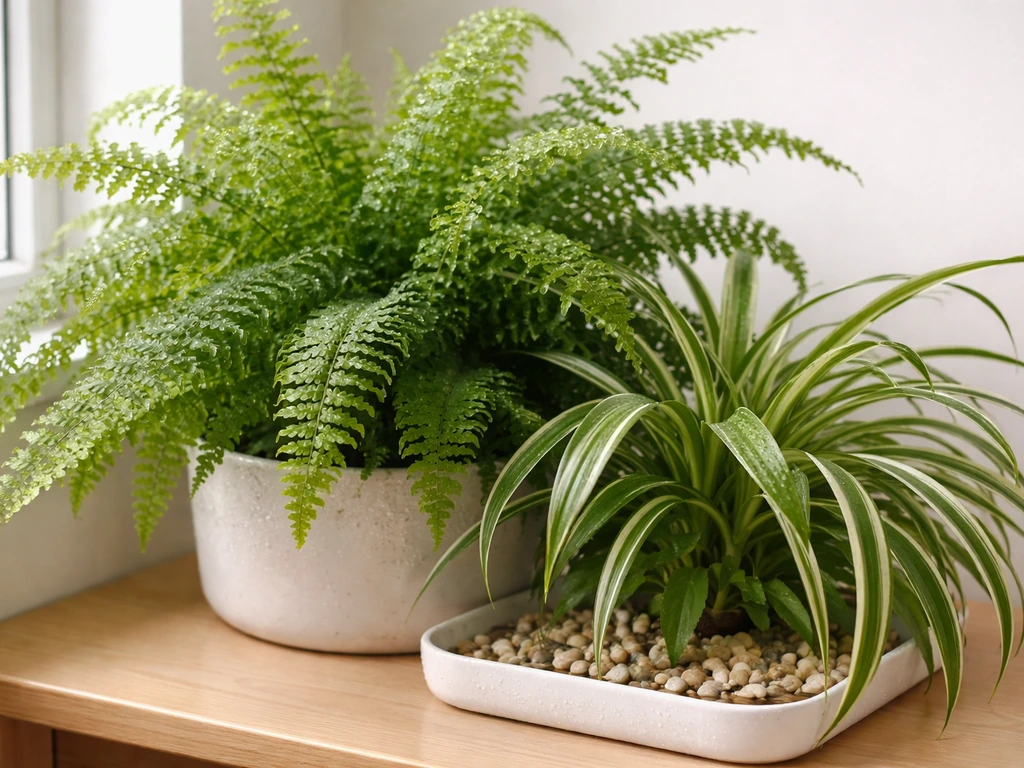
- Boston fern (Nephrolepis exaltata): Manages in low light but needs consistent humidity; dryness is a bigger issue than light for this one.
- Spider plant (Chlorophytum comosum): Survives low light but produces fewer 'babies'; still a solid, low-fuss option.
- Golden pothos and neon pothos: Both handle low light but the neon variety is slower to grow without some brightness.
Tolerating vs. actually thriving: an honest distinction
Iowa State University Extension makes a point I think is really important: even plants that do well in low light will grow and look their best with bright, indirect light. A rubber plant can also tolerate low light, but it will grow best when you provide brighter, indirect light can rubber plant grow in low light. What this means in practice is that there are two categories of 'low-light plant,' and knowing which one you're dealing with sets realistic expectations.
| Plant | Minimum to survive | Minimum to grow well | Notes |
|---|---|---|---|
| ZZ plant | 25–50 fc | 75–150 fc | Growth nearly stops below 50 fc but plant stays healthy |
| Snake plant | 25 fc | 50–100 fc | Very slow growth in dim light; fine as a display plant |
| Cast iron plant | 15–25 fc | 50–100 fc | Genuinely tolerates near-darkness better than most |
| Pothos | 50 fc | 100–200 fc | Gets leggy fast in very low light; still lives though |
| Peace lily | 50 fc | 100–200 fc | Won't flower below ~100 fc; foliage remains healthy |
| Chinese evergreen (dark green) | 25–50 fc | 75–150 fc | Dark varieties handle low light far better than colorful ones |
| Dracaena | 50 fc | 100–250 fc | Slower growth, less vibrant color in dim conditions |
| Heartleaf philodendron | 50 fc | 100–200 fc | Grows faster than most low-light plants with moderate light |
The short version: if you're asking 'will it die?' then most of these plants will survive in quite dim conditions. If you're asking 'will it grow new leaves, stay green, and look healthy?' you need to hit those higher thresholds. Below about 25 foot-candles, everything struggles long-term, no exceptions.
Where to actually put each plant in your home
Placement relative to your windows matters as much as which window you have. If you want a simple practical approach, the r/houseplants community often suggests placing plants as close to the window as possible and then assessing whether the light feels adequate. University of Illinois Extension gives a useful rule of thumb: for north-facing windows, a few feet away is your sweet spot. Here's how to think about it more broadly.
| Window orientation | Light level near window | Best plants | How far back you can push them |
|---|---|---|---|
| North-facing | 25–100 fc (full shade) | Cast iron plant, ZZ, snake plant | 1–3 feet max before dropping below viable range |
| East-facing | 100–400 fc (gentle morning sun) | Pothos, peace lily, philodendron, dracaena | 4–6 feet before hitting low-light territory |
| West-facing | 200–500 fc (afternoon sun) | Most low-light plants can be placed 5–8 feet back | Gives more flexibility for placement |
| South-facing | 500–1,000+ fc near window | Low-light plants fine 6–10 feet back or with sheer curtain | Most forgiving for distant placement |
A few practical placement habits that make a real difference: rotate your plants a quarter turn every week or two so all sides get equal light exposure. Plants lean toward the brightest light source (a classic sign they're not getting enough), and rotating prevents that lopsided growth. University of Maryland Extension also notes that a sheer curtain can filter harsh direct sun for plants near a south or west window, giving you that bright-indirect quality that suits almost every houseplant on this list.
For rooms without windows or with very small ones, like a bathroom or interior room, be honest with yourself: you're probably below 25 foot-candles for most of the day. In those spots, a grow light isn't optional, it's the difference between a living plant and a slowly dying one.
Common problems with low-light plants and how to fix them
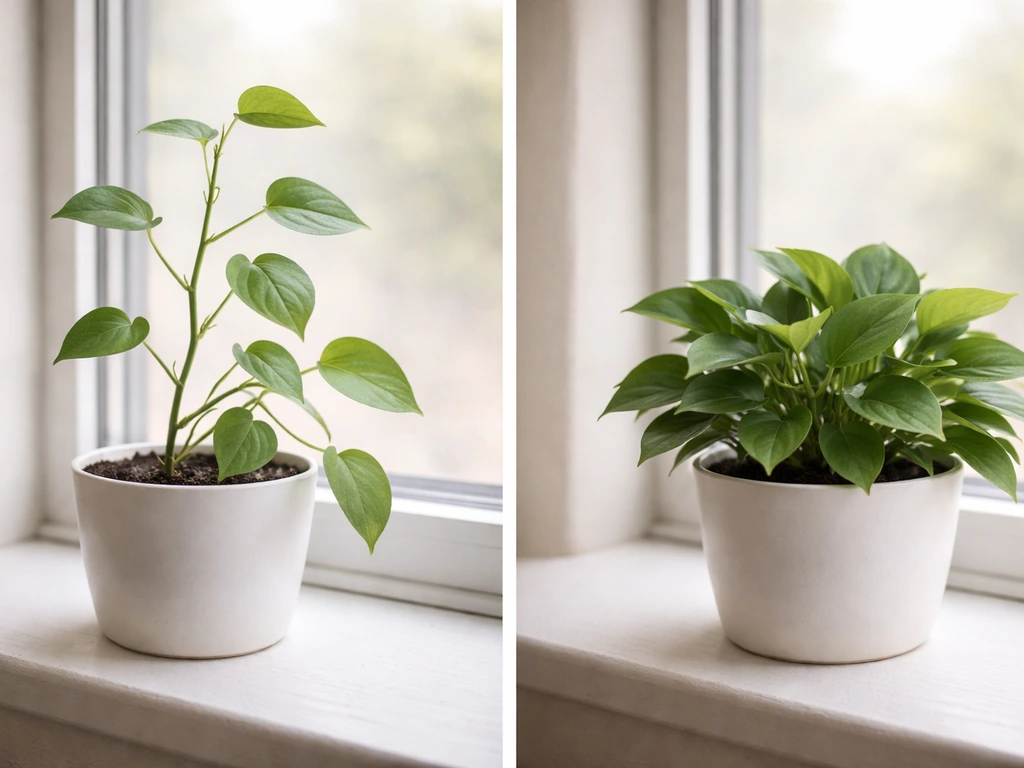
Most problems people blame on the plant are actually light problems in disguise, or watering problems made worse by dim conditions. Here's what to look for.
Signs your plant needs more light
- Leggy, stretched stems with large gaps between leaves (etiolation): the plant is literally reaching for more light
- Pale green or yellowish new leaves despite healthy-looking older foliage
- Plant leaning noticeably toward the window
- No new growth for months even in the growing season
- Variegated plants reverting to solid green (they need more light to maintain the pattern)
Signs that look like light problems but are actually overwatering
This is one of the most common diagnostic mistakes. Low light slows a plant's metabolism significantly, which means it uses water far more slowly. A watering schedule that works in a bright room will cause root rot in a dim one. University of Maryland Extension connects root rot directly to overwatering, noting it causes yellowing, wilting, and stunting even when the soil seems moist. If your leaves are yellowing and dropping and you've been watering on a regular schedule regardless of light level, cut back your watering immediately.
- Yellow leaves that drop: often overwatering in low light, not a light deficiency
- Wilting despite moist soil: root rot from standing water or poorly draining mix
- Mushy base or stem: too much water combined with limited light and airflow
- Fungal spots or mold on soil surface: consistently wet conditions from overwatering
The fix for all of the above: let the soil dry more between waterings, make sure your pot has drainage holes, and never leave a plant sitting in a water-filled saucer. University of Alaska Fairbanks Extension recommends watering deeply but less frequently and avoiding wetting foliage or stems, which is solid advice for any low-light situation.
What to do about leggy, etiolated growth
If your plant has gotten spindly and stretched, moving it closer to a light source is the first step. You can prune back leggy stems to encourage bushier growth, but if the light doesn't improve, the same thing will happen again. University of Maine Extension Bulletin #2614 identifies insufficient light as the main cause of spindly growth and light-colored foliage, which means the fix is always more light, not more fertilizer or more water.
When to add a grow light (and how to set it up)
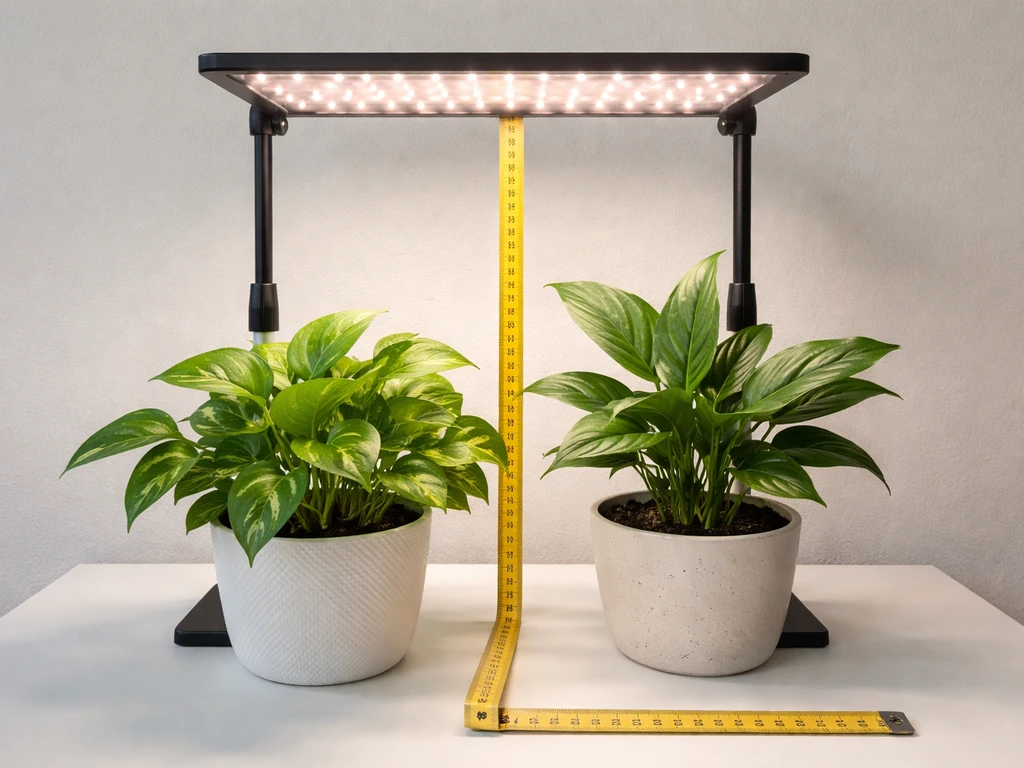
Grow lights aren't just for serious hobbyists. If your space genuinely can't deliver 50 foot-candles of natural light, a simple LED grow light can turn a dead zone into a workable plant spot. You don't need anything elaborate or expensive to make a real difference.
When grow lights are actually necessary
- Interior rooms with no windows or only small skylights
- North-facing rooms in winter when daylight hours are very short
- Any space measuring consistently below 25 foot-candles
- When your low-light plants are showing etiolation, pale leaves, or zero growth
- If you want a peace lily to flower or a pothos to grow at a normal pace in a dim spot
Choosing the right LED grow light
For low-light houseplants, you don't need a high-intensity grow light. A full-spectrum LED panel or bulb in the 4,000 to 6,500 Kelvin range works well for most foliage plants. University of Maine Extension recommends considering spectrum (Kelvin range and light type) when selecting a grow light, and that's the main thing to check. Full-spectrum LEDs cover the blue and red wavelengths plants need for both foliage growth and, if relevant, flowering.
University of Illinois Extension points out that in low-light conditions, increasing the duration of light is an effective supplemental strategy, which means you can compensate for lower intensity by running your grow light longer, typically 12 to 16 hours per day for most foliage houseplants. A simple plug-in timer makes this effortless.
How far should the grow light be from your plants?
Distance is the biggest variable in grow light setup. University of Vermont Extension advises that the distance between plants and grow lights directly affects how much light the plants receive. For low-power LED panels or bulbs, 6 to 18 inches above the plant canopy is a good starting range. Start at the higher end and watch for signs: if leaves bleach or show stress, move the light further away. If growth is still slow or etiolation continues, bring it closer. For compact LED desk-style grow lights, 6 to 12 inches is usually the sweet spot for low-light houseplants.
Your next steps: a quick checklist before you buy or rearrange
Here's how I'd approach this if I were setting up a low-light space from scratch today. Go through these steps in order and you'll have a clear picture of what you need.
- Measure your light: use a free lux meter app or an affordable foot-candle meter to check your actual light levels mid-morning. Write down the numbers before buying any plants.
- Match plant to light level: if you're at 50–150 fc, ZZ plant, snake plant, or cast iron plant are your most reliable bets. At 100–250 fc, you can add pothos, philodendron, peace lily, and Chinese evergreen.
- Audit your watering: in low-light spots, water only when the top inch or two of soil is dry. Reduce frequency compared to what you'd do in a bright room.
- Check your window orientation: north-facing means you're working with the dimmest natural light; plan plant placement within 1–3 feet of the glass. East or west windows give you more flexibility.
- Rotate regularly: every one to two weeks, give plants a quarter turn so they grow evenly and don't lean.
- Decide on a grow light: if you're below 25 fc consistently, pick a simple full-spectrum LED bulb or panel in the 4,000–6,500 K range, set it 6–18 inches above your plants, and use a timer set to 12–16 hours per day.
- Set growth expectations: low-light plants grow more slowly than they would in bright light. New leaves every few weeks (or slower) is normal and healthy. Don't over-fertilize trying to speed things up, it won't help and can cause more problems than it solves.
If you want to go deeper on specific plants, dracaenas and rubber plants are two worth looking at closely since they sit right on the line between low and medium light, and their behavior in dim conditions has some nuances worth knowing before you commit. Anthuriums are another common plant people try in low light, and while they're more forgiving than most flowering plants, they have their own light quirks. The main thing is to start with honest measurements and realistic expectations, and you'll have a much better time than most people who just buy a plant, find a dim corner, and hope for the best.
FAQ
Can I keep a plants that can grow in low light in a dark bedroom or hallway with little window access?
If the space is mostly below about 25 foot-candles for most of the day, expect survival but slow decline over time unless you add a grow light. A practical approach is to measure at plant height at mid-morning, then run a grow light for 12 to 16 hours daily if you are consistently under target levels.
Do plants that can grow in low light need fertilizer differently?
Yes. In dim conditions plants grow slowly and use nutrients more slowly, so heavy feeding can build up salts and worsen root stress. If you use fertilizer, cut the dose and frequency, and only increase after you see steady new growth, otherwise rely on brighter indirect light or longer light periods first.
Why do my low-light plants look okay at first but decline after a couple months?
That pattern usually indicates the light is slightly too low, or watering habits stay the same as they were in brighter rooms. In low light, water usage drops, so consistent overwatering can creep in as roots stay wet longer, even when the soil surface looks dry.
What are the signs that low light is too low even for tolerant plants?
Look for stretched or leaning growth, smaller leaves over time, pale or washed-out leaf color, and new leaves that emerge smaller or distorted. If leaves keep dropping while you also see slow soil drying (often from slower plant uptake), it is a strong clue that light is limiting and water management needs adjustment.
How should I adjust watering for plants that can grow in low light?
Water less often and let the top portion of the mix dry more between waterings, then ensure excess drains fully. Avoid misting as a substitute, since it mostly raises humidity on leaves, not root-zone moisture, and wet foliage can invite rot or fungus in dim, still air.
Is a north-facing window always enough for low-light plants?
Not always. A north-facing window is typically the lowest natural-light option, but distance matters a lot. If the plant is several feet back or the room has obstructions like shelves or tall furniture, it can fall under the long-term threshold where new growth slows dramatically.
Can I use a sheer curtain to make low-light plants happier near a south or west window?
Yes, a sheer curtain can turn harsh direct sun into brighter indirect light, which better supports healthy foliage than bare direct light in hot afternoon conditions. If you notice bleaching or scorched leaf edges, increase filtering or move the plant slightly farther back rather than simply increasing water.
Do grow lights replace low-light window placement, or should I still move plants closer to windows?
You can do either, but the most reliable results come from treating grow lights as the primary light source when windows cannot meet target levels. Even with grow lights, moving plants closer to a window can reduce how long you need to run the lamp, which helps prevent overly tall, leggy growth from insufficient intensity or spectrum.
How do I set grow light distance if the bulb or panel is low power?
Start farther from the plant, especially with compact LED desk-style lights, then fine-tune by observing leaf color and posture. If leaves bleach or develop stress marks, move the light farther away, if growth remains slow or stems stretch, move it closer while keeping the canopy within the recommended range (often around 6 to 18 inches depending on the setup).
Should I run grow lights on a timer every day, even when the room is bright?
Keep it simple and consistent. If you already receive meaningful natural light, you can shorten the grow light duration, but use the meter or quick measurement checks at leaf height to avoid guessing. For most foliage plants, 12 to 16 hours per day is a common starting point, then adjust based on growth response.
Can I grow plants that can grow in low light outdoors in shade?
Often yes, but indoor low-light plants are still different from true outdoor shade plants because outdoor light levels can be much higher and more variable. If you move plants outside, acclimate gradually over 1 to 2 weeks to avoid sunburn, and confirm drainage stays excellent since outdoor rain can saturate pots quickly.
Are there any low-light plants I should avoid trying first?
Be cautious with flowering plants and plants that are not adapted to filtered light, since low light commonly prevents blooms and increases susceptibility to decline. If you want guaranteed foliage success, start with hardy options like snake plant, ZZ plant, pothos, peace lily, or Chinese evergreen before attempting more light-hungry species.