
Yes, plenty of plants grow perfectly well in indirect sunlight indoors. The catch is that 'indirect sunlight' covers a surprisingly wide range of light levels, and not every spot that feels bright to you is bright enough for every plant. Pick the right species for your actual light conditions and most indoor gardeners do just fine without a single ray of direct sun ever hitting their windowsill.
Can Plants Grow in Indirect Sunlight? A Beginner Guide
Marcus Hartley
2 May 2026
What indirect sunlight actually means indoors
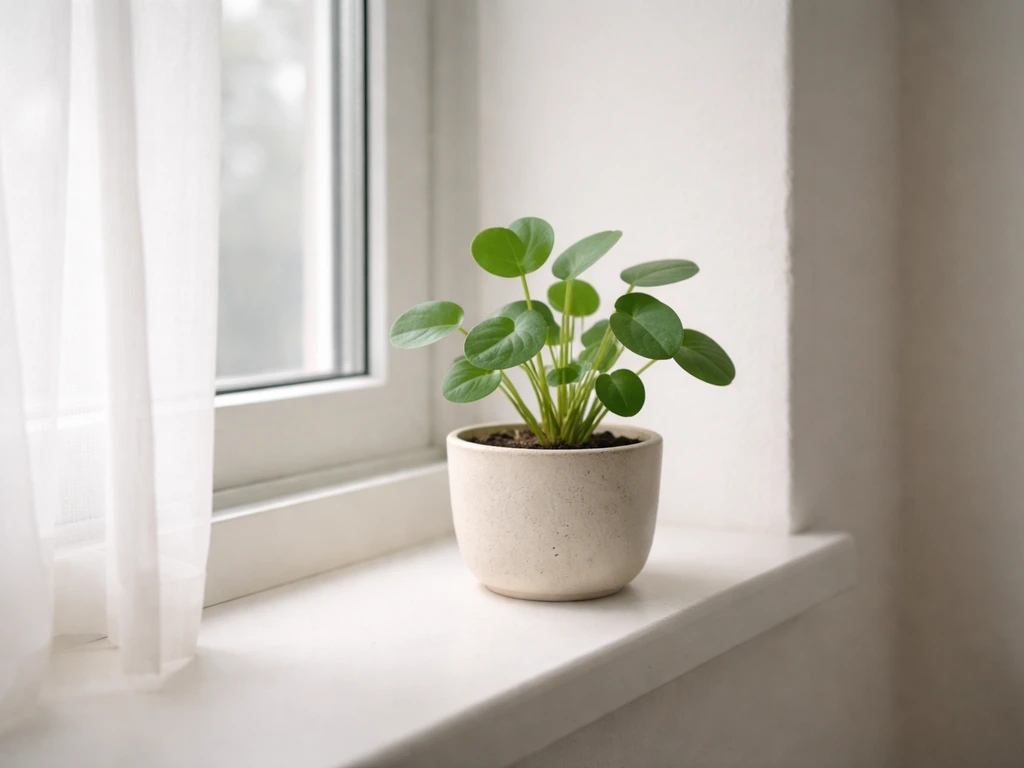
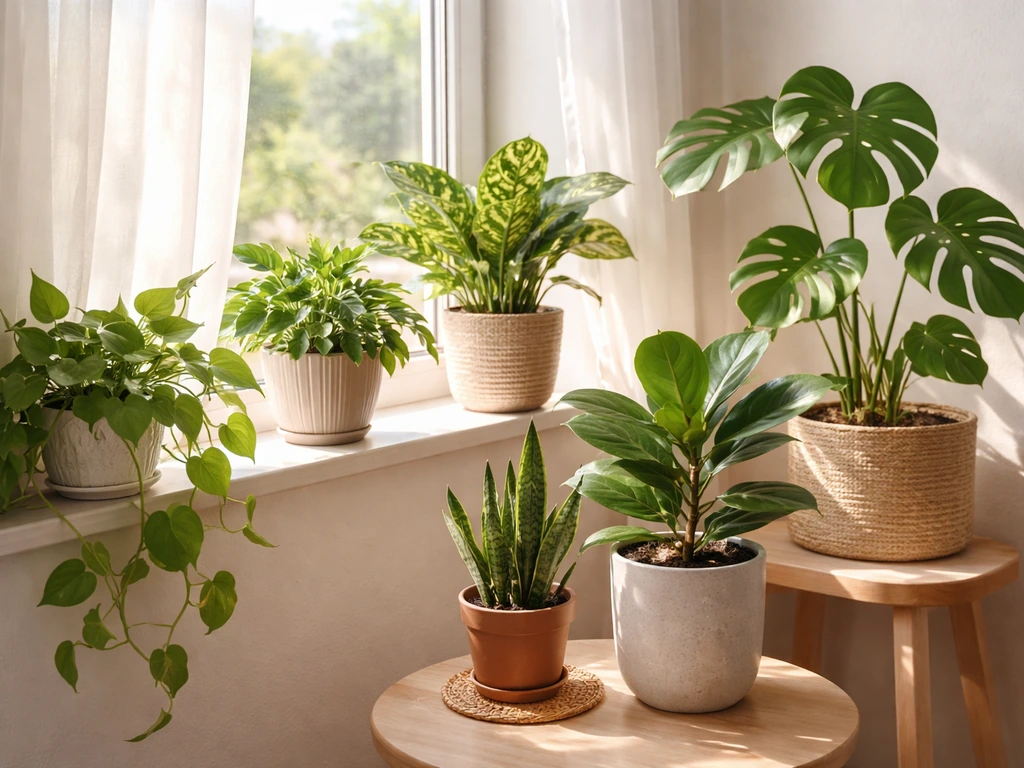
Indirect sunlight is light that reaches your plant without the sun's beam hitting it directly. That sounds simple, but indoors it breaks down into several very different situations. A spot two feet back from a south-facing window on a clear day is flooded with bright, diffused light. A corner near a north-facing window on a cloudy afternoon is something else entirely, and calling both of them 'indirect sunlight' is part of why so many plants struggle.
The most useful way to think about it is in terms of foot-candles (fc), which measure how much light actually lands on your plant. University of Arizona Extension breaks indoor light into three practical buckets: low is 25 to 75 fc, medium is 75 to 150 fc, and high is 150 to 1,000 fc.
University of Arizona Cooperative Extension groups indoor light into three practical categories measured in foot-candles: low is 25 to 75 fc, medium is 75 to 150 fc, and high is 150 to 1,000 fc three practical buckets: low (25 to 75 fc), medium (75 to 150 fc), and high (150 to 1,000 fc). Most of what people call 'bright indirect light' falls in that 150 to 500 fc range.
True low light, the kind you find in a north-facing room or a hallway, sits closer to 25 to 75 fc. Both are technically 'indirect,' but they support very different plants. If you are aiming for low light setups, it also helps to review what plants grow well with little sunlight so you pick species that can actually cope.
There's also duration to consider. A plant getting 200 fc for only four hours a day is effectively light-starved compared to one getting the same intensity for ten hours. Bright indirect light in summer near a south or west window can last most of the day. Come winter, that same spot might deliver useful light for only five or six hours. That seasonal shift catches a lot of indoor gardeners off guard.
How much light plants actually need (a simple way to think about it)
Plants use light to drive photosynthesis, the process that turns carbon dioxide and water into the sugars they need to grow. More light generally means faster, stronger growth, even for shade-tolerant species. Plants tend to grow better in sunlight because the extra light fuels photosynthesis and supports faster growth. University of Missouri Extension makes this point clearly: even within a low-light-tolerant range, plants tend to do better as light increases. So 'tolerates low light' doesn't mean 'thrives at the bare minimum.' It means the plant survives and puts out acceptable growth at low levels.
A practical way to think about it: plants that need direct sun are usually looking for 1,000 fc or more for a good chunk of the day. High indirect light (150 to 1,000 fc) suits most tropical foliage plants, many flowering houseplants, and herbs. Medium indirect light (75 to 150 fc) works for a solid list of common houseplants. Low light (25 to 75 fc) is where only the most tolerant species really manage, and even those will grow slowly.
Duration matters alongside intensity. Most houseplants appreciate eight to twelve hours of usable light daily. Below six hours, even a reasonably bright spot starts to limit growth. This is why a sunny apartment with no east or west exposure can still feel like a struggle for certain plants, especially in winter when days are short.
Best plants for indirect light (and the ones that usually won't make it)
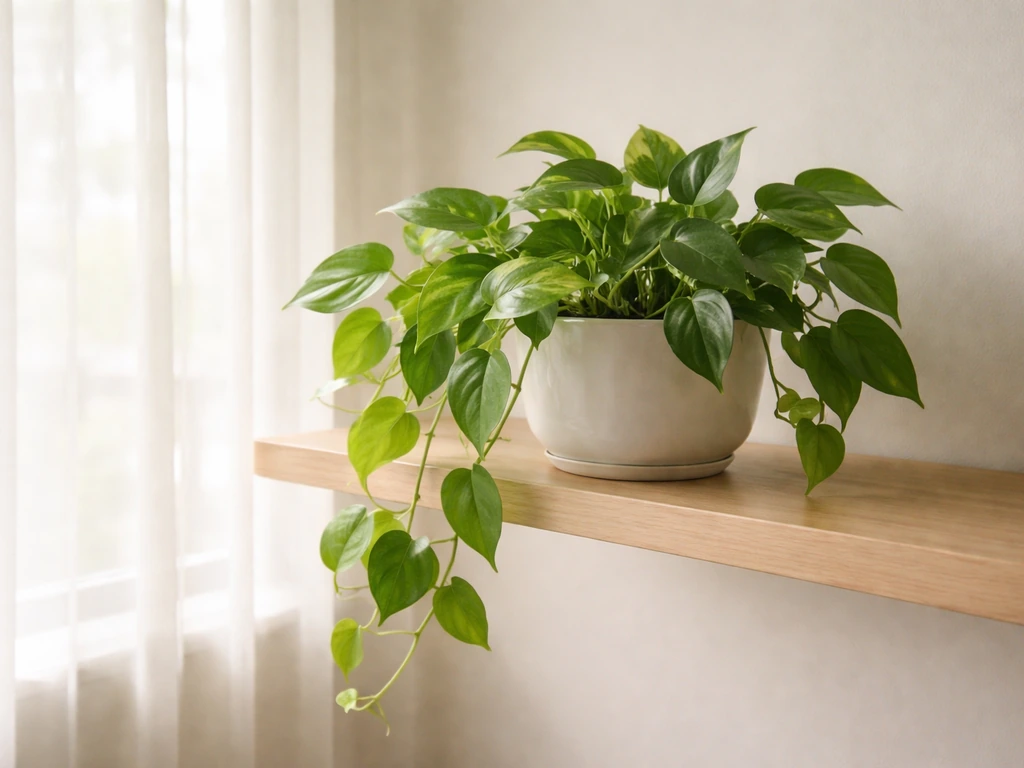
The good news is that a huge portion of popular houseplants were originally understory plants in tropical forests, meaning they evolved under tree canopies with filtered, indirect light. These are genuinely well-suited to indoor conditions where direct sun is limited.
Plants that do well in indirect light
- Pothos (Epipremnum aureum): one of the most forgiving; handles medium to low indirect light without complaint
- Snake plant (Sansevieria/Dracaena trifasciata): Penn State Extension recorded one thriving at just 25 fc, though it grows faster with more light
- ZZ plant (Zamioculcas zamiifolia): extremely tolerant of low light and infrequent watering
- Peace lily (Spathiphyllum): University of Maryland Extension lists it as a proven low-light performer at around 25 to 100 fc
- Cast iron plant (Aspidistra elatior): lives up to its name in dim rooms
- Philodendron (heartleaf varieties): thrives in medium indirect light, tolerates low
- Spider plant (Chlorophytum comosum): medium indirect light is ideal
- Dracaena (most varieties): adapts well to medium indirect conditions
- Chinese evergreen (Aglaonema): one of the best all-around low-to-medium indirect light plants
- Ferns (many species, especially bird's nest fern): prefer consistent indirect light with some humidity
Plants that struggle without direct or very bright light
- Succulents and cacti: need high light, often 500 fc or more for several hours; most go leggy and pale indoors without a sunny south window or grow light
- Fiddle-leaf fig (Ficus lyrata): often labeled as indirect, but it really wants bright indirect close to a window, not dim indirect
- Fruiting plants (tomatoes, citrus, peppers): need full sun or strong grow lights to produce fruit indoors
- Most herbs used for cooking (basil, rosemary, thyme): prefer at least four hours of bright indirect or direct light
- Orchids (many varieties): need bright indirect light to rebloom reliably
- Most flowering annuals: need high light to sustain blooms indoors
If you're curious about growing cannabis indoors, that's a separate conversation since it has specific light cycle requirements. And if you're thinking about plants for an outdoor area with heavy shade, like under a deck, those conditions call for a slightly different plant list. What can grow under a deck with little sunlight depends on how much light reaches the area and whether it stays cool and consistently moist.
How to test your room's light today
UF/IFAS Extension makes an important point that 'bright indirect' and 'low light' are generalizations until you actually measure your space. The good news is you don't need professional equipment to get a useful read.
The hand shadow test

Hold your hand about a foot above a white piece of paper in the spot where your plant will sit. Check it on a clear morning around 10 a.m. A sharp, clearly defined shadow means you're in bright indirect light territory (150 fc or above). A soft, fuzzy shadow puts you in medium indirect range. No real shadow at all suggests low light, below 75 fc. It's not precise, but it gives you a quick category.
Use a free light meter app
Your smartphone camera's sensor can measure light. Free apps like Lux Light Meter (iOS or Android) give you a lux reading in seconds. Divide lux by 10.76 to convert to foot-candles, or just use a lux-to-fc reference chart. Take readings at three different times: early morning, midday, and mid-afternoon. That gives you a sense of peak intensity and how long useful light lasts at that spot. A reading of 1,000 lux (about 93 fc) at midday means you're in the medium-low range. Around 2,000 to 5,000 lux (185 to 465 fc) is solid bright indirect light.
Note your window direction and obstructions
South-facing windows get the most light in the Northern Hemisphere across all seasons. East-facing windows get bright morning light. West-facing windows get afternoon light, which can be intense in summer. North-facing windows get reflected, ambient light only, which is reliably low. Also think about what's outside: a covered patio, large trees, a neighboring building, or dirty glass can cut your light by 30 to 50 percent before it even reaches your plant.
How to position and rotate plants near windows
Where you place a plant within a room makes a dramatic difference. Light drops off quickly as you move away from a window. A plant sitting three feet from a bright south-facing window can receive a fraction of the light that a plant right on the sill gets. As a starting rule, try to keep light-hungry plants within two to three feet of your brightest window.
- Right on the windowsill (0 to 1 foot): best for plants wanting high indirect or even some direct light, like succulents, herbs, or fruiting plants with grow light supplementation
- One to three feet back: ideal for bright indirect plants like pothos, philodendron, peace lily, and spider plant
- Three to six feet back: medium indirect zone, good for ZZ plant, Chinese evergreen, snake plant, and cast iron plant
- Six or more feet from any window: consistently low light; realistically only the most tolerant species hold up here, and even they'll grow slowly
Rotating your pots a quarter turn every one to two weeks is one of the simplest things you can do. Plants lean toward light over time, and rotating keeps growth even and prevents one side from getting etiolated (stretched and weak). It also lets every part of the plant benefit from the light source, not just the side facing the window.
Keeping your windows clean makes a real difference too. Dust and grime on glass can reduce light transmission noticeably. A quick wipe-down each season costs nothing and can meaningfully improve the light reaching your plants.
Troubleshooting slow growth and light-related problems
Slow growth is one of the most common complaints from indoor gardeners, and inadequate light is one of the most common causes. The tricky part is that light problems don't look like obvious damage right away. Here's what to watch for:
- Long gaps between leaves on stems (internode stretching): UMN Extension specifically flags this as a sign of insufficient light; the plant is reaching, burning energy to find more light
- Pale, washed-out, or yellowing leaves: often a sign that chlorophyll production is dropping due to low light
- Leaning strongly toward the light source: normal to some degree, but extreme leaning means the plant is not getting enough from where it is
- No new growth for months: in growing season (spring and summer), most plants should push at least some new leaves; stalled growth in good conditions points to light as the likely culprit
- Dropping lower leaves while staying sparse at the top: common in plants stretched toward light
Before assuming light is the problem, rule out overwatering and root issues since those cause similar symptoms. But if your watering is solid and the plant is still struggling, check the light. Move it closer to the window for two to three weeks and see if growth picks up. If the spot genuinely can't deliver enough light, that's when supplemental lighting makes sense.
Seasonal shifts are an underappreciated cause of plant struggles. A window that bathed your pothos in bright indirect light all summer might deliver noticeably less usable light by November as the sun angle drops and days shorten. If your plants do great in spring and summer and then slowly decline in fall and winter, seasonal light reduction is the first thing to investigate.
When to add grow lights and how to set them up
If your space genuinely can't deliver enough natural indirect light, or you want to push growth beyond what your windows offer, grow lights are the practical solution. You don't need an elaborate setup to make a real difference.
LED vs fluorescent: which should you use?
| Type | Energy use | Heat output | Lifespan | Best for | Cost |
|---|---|---|---|---|---|
| Full-spectrum LED grow lights | Low | Very low | 50,000+ hours | Most indoor plants, long-term setups, shelves | Higher upfront, lower running cost |
| T5 fluorescent grow lights | Moderate | Low to moderate | 20,000 hours | Seedlings, herbs, low-to-medium light plants | Lower upfront, moderate running cost |
| Standard LED bulbs (daylight 5000-6500K) | Low | Very low | 15,000-25,000 hours | Low-light tolerant houseplants only | Very affordable, widely available |
For most indoor gardeners supplementing indirect natural light, a full-spectrum LED panel or LED grow bulb in a clamp light fixture does the job well and runs cheaply. T5 fluorescents still work great for seedlings and herb shelves. If you just want to keep a snake plant or pothos alive in a dim corner, even a warm-white LED bulb positioned close to the plant helps.
Basic grow light placement and timing
- Place LED panels six to eighteen inches above the plant canopy for most foliage houseplants; check manufacturer specs since output varies widely by fixture
- For low-light tolerant plants using a basic LED bulb, twelve to twenty-four inches above works fine
- Run lights for twelve to sixteen hours per day for most tropical houseplants; a simple outlet timer makes this effortless
- Don't run lights 24 hours: plants need a dark period; continuous light can actually stress many species
- Supplement, don't replace: if your plant gets some natural indirect light, you don't need to run the grow light all day; even four to six hours of supplemental light can push a struggling plant back into healthy growth
- Rotate plants under grow lights the same way you would near windows for even coverage
Penn State Extension documented a snake plant being successfully maintained and augmented with a supplemental full-spectrum LED grow light after being recorded at just 25 fc naturally. That's a real-world example of what even modest artificial supplementation can do for a plant that's just barely getting by on available natural light.
The bottom line is this: indirect sunlight is genuinely enough for a wide and rewarding variety of indoor plants. Know your actual light level (measure it, don't guess), choose plants that match your real conditions rather than your ideal conditions, position them strategically near your best windows, and add a grow light if the space just can't deliver. Most indoor gardening problems that seem mysterious trace back to light being a little off. Once you get that dialed in, the rest becomes a lot easier.
FAQ
How can I tell if my plant is getting too little light even if it looks “okay” at first?
Watch for slow, sparse new growth, smaller-than-usual leaves, and longer gaps between leaf nodes (stretching). If watering is consistent and roots are healthy, these gradual changes usually point to light shortfall rather than a sudden problem.
If indirect light is working, should I still rotate the plant?
Yes. Even with enough total light, plants lean toward the window over time. A quarter turn every 1 to 2 weeks helps prevent one-sided leaning and keeps growth even.
Can plants adapt to indirect sunlight over time, or do they need a perfect spot immediately?
They can acclimate somewhat, but the transition should be gradual. Move the plant a few inches closer and reassess every 1 to 2 weeks, especially if you are going from low light toward brighter indirect light to avoid stress.
Does “bright indirect light” mean the window has to be south-facing?
Not necessarily. East windows can work well if the morning light is strong, and west windows can be intense in summer. North windows are reliably low, but they can still support low-light-tolerant plants or work with supplemental light.
What about curtains or sheer blinds, do they count as indirect sunlight?
They usually do, but they can also cut the light a lot. If you notice weak growth near a window with sheers, measure the light and consider lighter-filtering fabric or adjusting the distance, since “indirect” can still be too dim.
How close is too close to a bright window when growing in indirect light?
Indirect light can still become damaging if the plant is too near and starts receiving strong direct rays at certain times. Keep light-hungry plants within a couple feet of the brightest window, then monitor for leaf scorch, which is a sign you are getting more intensity than the plant tolerates.
Should I move a plant toward the window right away if it’s not growing?
Try a staged approach. Move it closer for 2 to 3 weeks as your article suggests, but avoid drastic jumps. Then confirm you are not dealing with overwatering or root issues, since those can mimic light-related symptoms.
How many hours of indirect sunlight do plants need in winter?
Many houseplants prefer about 8 to 12 hours of usable light, and winter daylight often falls below that at many window positions. If your growth slows in fall and winter, either relocate to a better window/closer distance or plan on supplemental lighting.
Can I rely on a phone lux reading without doing anything else?
You can use it to categorize your space, but take readings at multiple times because intensity and duration change across the day. Also, readings can vary by phone model and app calibration, so use the same phone and app consistently for trends.
If my apartment is mostly low light, can I still grow something successfully?
Yes, but choose species that tolerate low light and accept slower growth. If you want faster results or more frequent flowering, combine low natural light with a warm-white or full-spectrum grow light to bring total daily usable light up.