Yes, vegetable plants do grow at night, but not in the way most people picture. During the dark hours, your plants can't run photosynthesis (that strictly requires light), but they're still busy: using stored sugars to fuel cell expansion, transporting water, and in many species actually elongating stems faster in the dark than during the day. So the night period isn't dead time. It's more like the plant's recovery and construction shift after a hard day of energy production.
Do Vegetable Plants Grow at Night? Indoor Light Tips
Marcus Hartley
18 May 2026
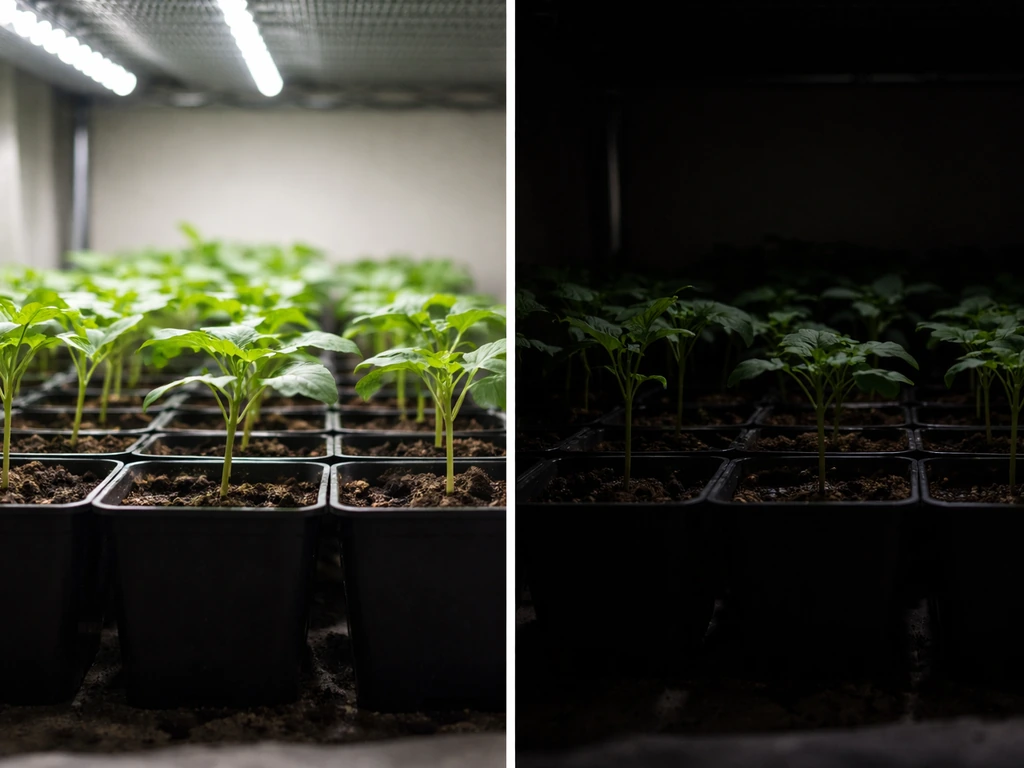
Day vs. Night Growth: What Light Actually Controls
Here's the core biology in plain terms. Photosynthesis only happens when light is present, and it's the process that creates the carbohydrates your plant uses as fuel. Respiration, on the other hand, runs 24 hours a day, light or dark, converting those stored carbohydrates into usable energy for cell work. For your plant to actually grow (net growth, not just burning fuel), the carbohydrate gains from photosynthesis have to outpace the losses from respiration. That's why the light period is so critical: it's the only time your plant is building the reserves it needs.
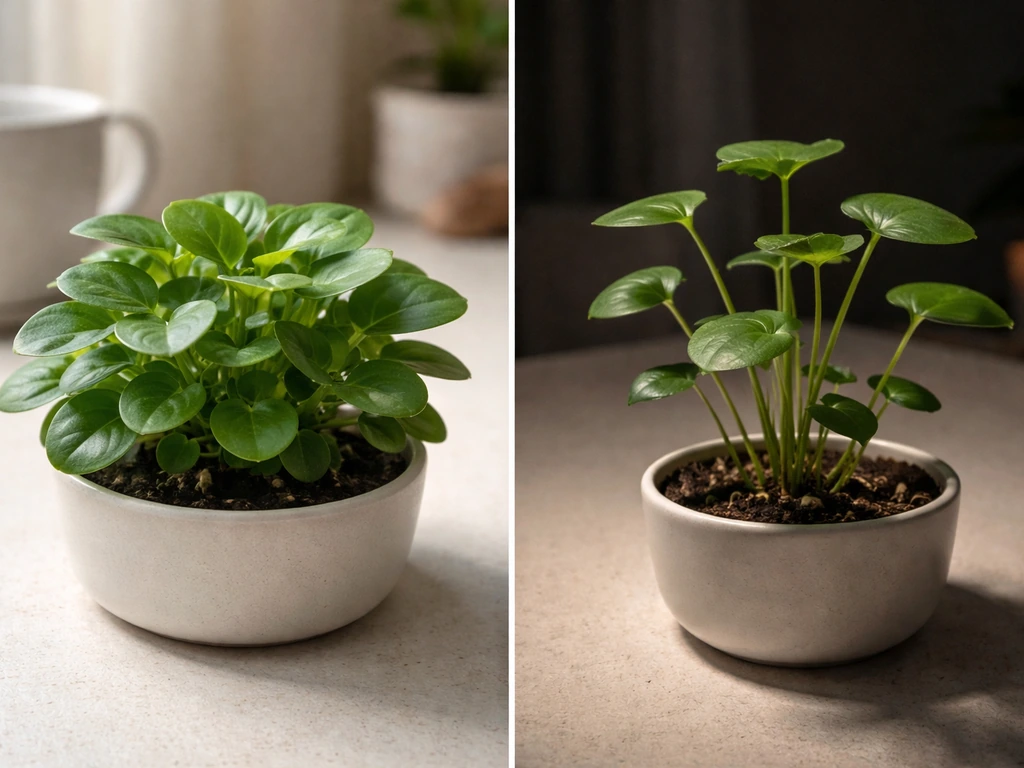
During the dark period, stem elongation actually speeds up in many plants. Research on stem elongation confirms a diurnal rhythm where the highest elongation rate happens at night and slows during the day. This is partly driven by the light-to-dark transition and partly by temperature differences between day and night (a concept called DIF, short for temperature differential).
Missouri State University Extension explains that the temperature differences between day and night, described as DIF (temperature differential), influence stem elongation rates and help explain leggy growth as a rhythm issue, not only a light issue [temperature differences between day and night (a concept called DIF, short for temperature differential)](https://www. canr. msu. edu/uploads/resources/pdfs/non-chemical-height-control.
pdf). So if your seedlings are getting leggy, night isn't entirely to blame; the interplay of low light intensity during the day and a warm dark period usually is.
How Darkness Affects Indoor Veggies Under Grow Lights
When you're growing vegetables indoors under LEDs or fluorescents, you control the photoperiod entirely, which is both a huge advantage and a responsibility. Can plants grow by candlelight? In most cases, candlelight does not provide enough usable light for healthy growth compared with proper grow lights. The photoperiod is simply how many hours of light the plant receives in a 24-hour period, and getting it right matters more than most beginners realize. UMN Extension recommends 16 to 18 hours of light per day for seedlings, and 12 to 14 hours for hydroponic lettuce and herbs. Fruiting crops like tomatoes and peppers generally do well in the 12 to 16 hour range.
But the dark period isn't just the hours your lights are off. It's a biologically active phase, and interrupting it with stray light can cause real problems, especially for any photoperiod-sensitive crops. Even brief light exposure during the scheduled dark period can disrupt flowering signals. In some setups, you might wonder if plants can grow under black light, but stray wavelengths and intensity still affect growth and flowering just like other light sources. If your grow space gets light leaks from a hallway or window, that's worth fixing.
Light intensity during the day matters just as much as duration. PPFD (micromoles of light per square meter per second) is how intensity is measured for plants. Lettuce, for example, performs well at 250 to 350 µmol/m²/s. An optimal indoor production target used by Missouri University Extension is around 510 µmol/m²/s PPFD with a daily light integral (DLI) of about 16 mol/m²/day.
The DLI is essentially total daily light dose, and if your intensity is too low, stretching the photoperiod longer doesn't fully make up for it. One controlled study on crisphead lettuce showed that keeping DLI constant at 14. 4 mol/m²/day across three different photoperiod and intensity combinations (16 hours at 250 µmol/m²/s, 12 hours at 340 µmol/m²/s, and even continuous 24-hour light at 170 µmol/m²/s) produced comparable yield and morphology.
What that tells us: total daily light dose is the primary driver, not a specific photoperiod, at least for lettuce.
Distance from the light source is the other major variable. PPFD drops off significantly as plants get further from the fixture, so if your LED panel is 24 inches above your lettuce when it should be 12 inches, you could be delivering half the intensity you think you are. This is one of the most common undiagnosed problems in indoor veggie setups.
What to Do Tonight: Practical Setup Steps
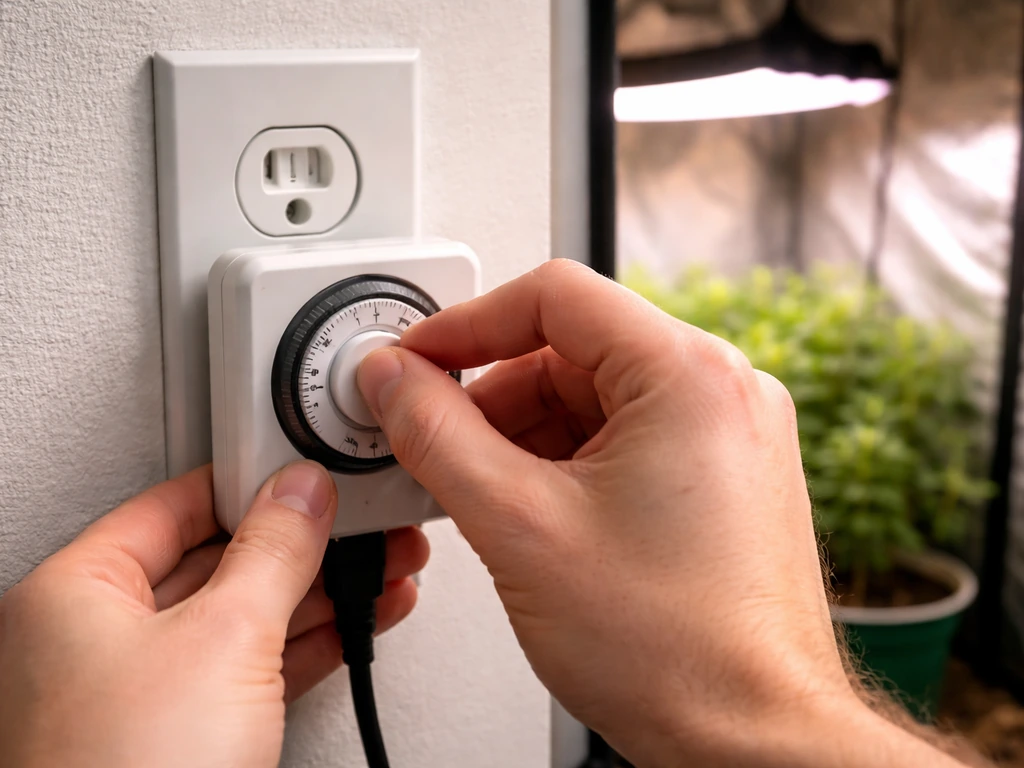
If you're troubleshooting a slow or struggling indoor vegetable garden, here's exactly what to check and fix right now.
- Check your current light schedule. Pull up your timer settings or check when your lights are actually turning on and off. Confirm you're hitting at least 14 to 16 hours for most vegetables, or 16 to 18 hours if you're germinating seeds.
- Measure or estimate your PPFD. If you don't have a PAR meter, check the manufacturer spec sheet for your grow light and match the recommended hanging distance. For most LED grow lights designed for vegetables, that's somewhere between 12 and 24 inches depending on the wattage.
- Check for light leaks during dark hours. Walk into your grow space 30 minutes after lights-off. If you can see your plants clearly without turning anything on, you have a light leak to address. Cover gaps under doors, block windows, or move your setup.
- Make sure the dark period is consistent. Set your timer so lights come on and go off at the same time every day. Plants use their circadian rhythms to anticipate light cycles, and inconsistent schedules stress them.
- Check your day/night temperature difference. If your grow space is much warmer at night than during the day, your plants will elongate faster (leggier growth). Aim for nighttime temperatures a few degrees cooler than daytime if you can manage it.
Common Myths and Troubleshooting
Myth: Vegetables Only Grow at Night
This one gets repeated a lot, and it's not quite right. Stem elongation does peak at night for many plants, so there's a kernel of truth. But the actual building blocks for that growth (carbohydrates) can only be created during the light period. Nighttime affects growth, so understanding how light and dark work together can help you set better expectations for your plants do plants grow at night. No photosynthesis, no fuel. Night is where some of that construction work happens, but only because the day shift already stocked the materials.
Problem: Leggy, Weak Stems
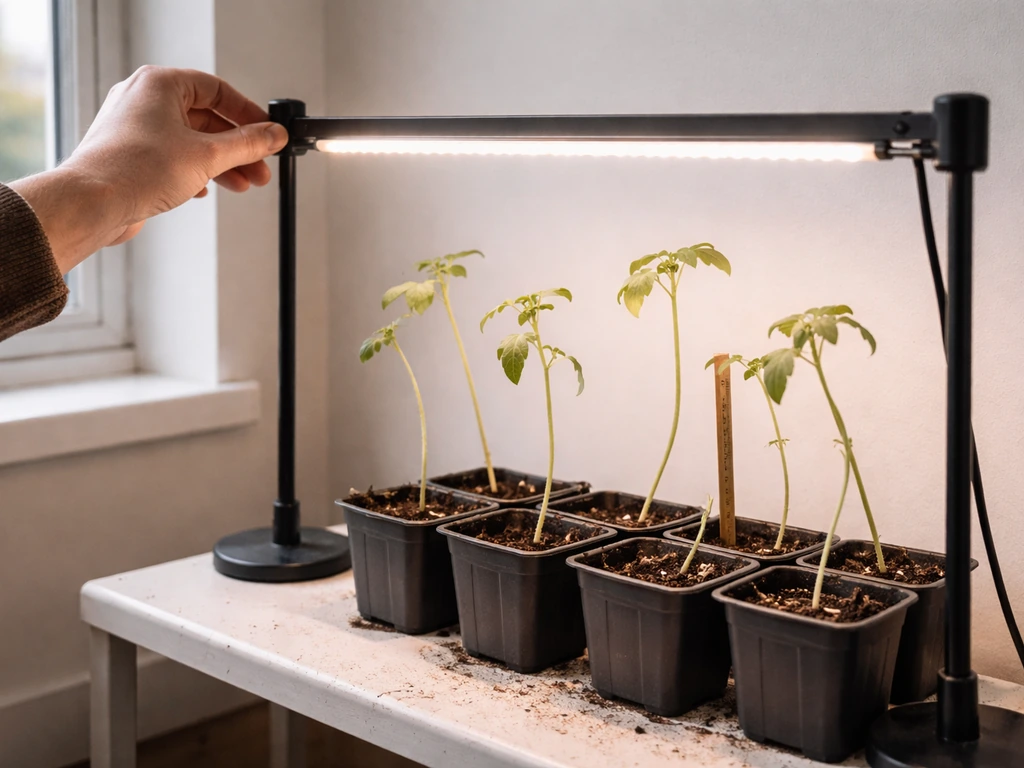
If your vegetable seedlings are long and floppy, the most common culprits are insufficient light intensity during the day, lights that are hung too high, or a warm nighttime temperature that's accelerating stem elongation. Increasing your PPFD (move lights closer, or upgrade to a stronger fixture) and slightly cooling your grow space at night can tighten everything up. It's rarely about the dark period itself.
Problem: Slow Growth Despite Lights Running
Slow growth usually comes down to low DLI. You might have your lights on for 14 hours, but if the intensity is too low, the total daily light dose isn't meeting the plant's minimum. For lettuce, research has shown that DLI around 7.8 mol/m²/day is on the low end and limits performance noticeably compared to higher targets. Check your fixture's actual output and hanging distance before assuming your schedule is the problem.
Problem: Yellowing Leaves
Yellowing can mean a few things (nutrient issues, overwatering), but if your lighting setup is the variable you've recently changed, the most likely cause is insufficient light causing chlorophyll breakdown. Plants under chronically low light will shed lower leaves as they redistribute limited energy upward. Fix the DLI first before troubleshooting nutrition.
Problem: Thinking More Dark = More Growth
Some gardeners cut back on light hours hoping the extra dark time will help. For most vegetables, shorter photoperiods mean less photosynthesis and a lower DLI, which slows growth. The exception is photoperiod-sensitive plants (like certain short-day flowering crops), where dark length triggers specific developmental stages. For everyday vegetable production, more light (up to a point) almost always helps, not hurts.
Choosing the Right Lighting Schedule for Different Vegetables
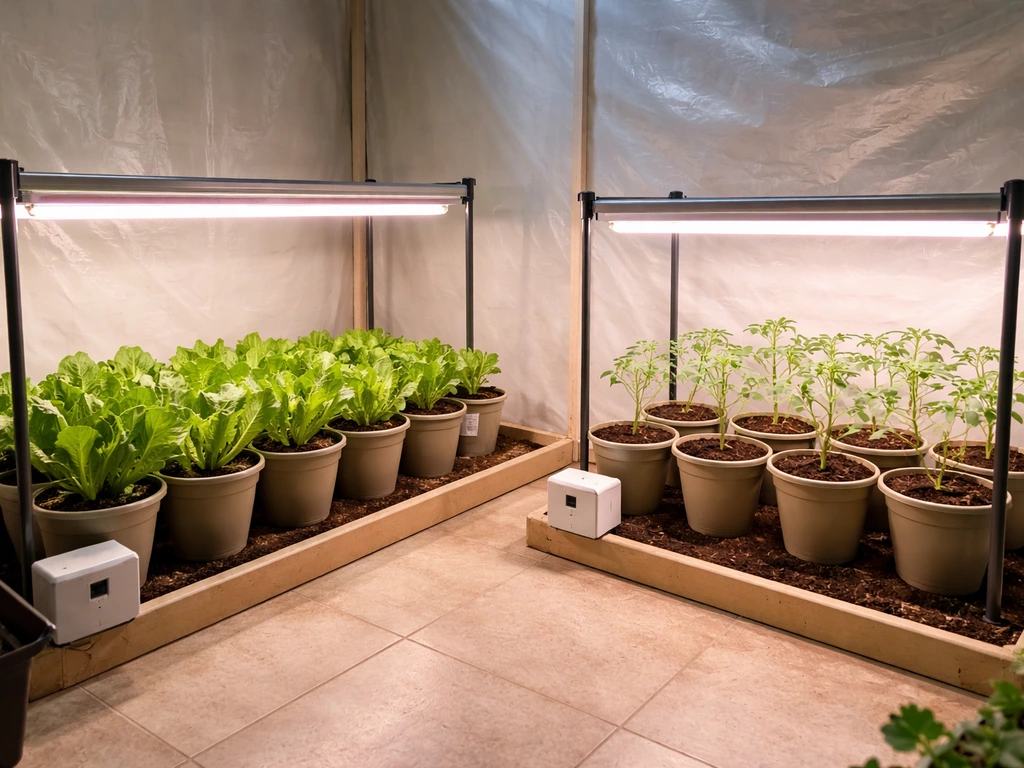
Not every vegetable needs the same photoperiod. Leafy greens are the most forgiving and productive under long days, while fruiting crops often prefer something closer to what they'd get outdoors in summer. Here's a practical breakdown.
| Vegetable Type | Recommended Photoperiod | Target PPFD | Notes |
|---|---|---|---|
| Seedlings (any type) | 16–18 hours | 50–150 µmol/m²/s | High duration compensates for lower intensity at this stage |
| Lettuce and leafy greens | 14–16 hours | 250–350 µmol/m²/s | Tolerates up to 24 hours continuous light under equal DLI |
| Herbs (basil, parsley, cilantro) | 12–16 hours | 200–400 µmol/m²/s | Basil prefers longer days; cilantro bolts under excessive light |
| Fruiting crops (tomatoes, peppers) | 12–16 hours | 400–600 µmol/m²/s | Higher PPFD needed; aim for DLI of 20–30 mol/m²/day at fruiting |
| Root vegetables (radishes, beets) | 12–16 hours | 200–350 µmol/m²/s | Focus on consistent schedule more than maximizing hours |
If you're just getting started, a 16-hour photoperiod with an 8-hour dark period is a solid default for almost every vegetable you'd want to grow indoors. In a controlled-environment lettuce study using a 16/8 (16 h light/8 h dark) photoperiod with a 24/19°C day/night temperature regime and about 65% relative humidity, extending the dark period did not produce long-term changes in circadian regulation of photosynthesis or sugar levels controlled-environment lettuce study using a 16/8 photoperiod. Set your timer, keep the lights at the right distance, protect the dark period from interruption, and you'll have covered the basics. Adjust from there based on how your specific plants respond over a couple of weeks.
One last thing worth noting: this guide focuses on vegetables, but the same day/night growth principles apply broadly. Fruiting plants like tomatoes and peppers (which are technically nightshades) follow similar light and dark rhythms, and flowering crops are even more sensitive to precise photoperiod management. If you're curious how flowering crops respond to dark periods specifically, or whether other plant types like buds and blooms grow faster at night, those are worth exploring separately since the photoperiod triggers for flowering work quite differently than for pure vegetative growth.
FAQ
If I turn lights off, will my vegetable plants stop growing immediately?
No. They usually slow rather than stop because respiration and water transport continue, and some crops keep elongating during the dark. Net growth depends on whether the day provided enough light to “bank” carbohydrates for the night phase.
Do plants grow faster at night because they need darkness?
Not exactly. Darkness is required for the diurnal rhythm, but the growth rate depends on the balance between day carbohydrate production and 24-hour respiration. If the day light dose is low, night elongation can still look “fast,” but overall health and net growth usually suffer.
How can I tell if my issue is too much night versus too little day light?
Check your light dose first (DLI), not just the photoperiod. If plants are stretching or shedding lower leaves, it often points to insufficient PPFD during the light window, warm night temperatures, or lights hung too high. A longer schedule rarely fixes a low-intensity setup.
Is it okay to use a shorter light schedule during winter to save electricity?
Sometimes, but you must raise intensity if you shorten the photoperiod to keep DLI near target. If you cut hours without compensating, growth typically slows because total daily light dose drops below what vegetables need.
What should I do if my grow space gets light leaks during the dark period?
Seal or block stray light sources, cover windows, and prevent LEDs from staying on in nearby rooms. Even brief exposure can disrupt photoperiod-sensitive crops, and it can also blur your timing consistency, which affects predictable development.
Do LEDs and fluorescent lights behave differently at night for vegetables?
At night, both types still rely on the same biology, respiration and stored sugars. The practical difference is how well your fixtures deliver usable PPFD and how quickly intensity falls off with distance, which is often what determines whether nights cause leggy growth.
Will running lights 24 hours a day improve vegetable growth?
Not automatically. For some crops you can maintain similar outcomes if DLI is held steady, but plants still need a normal dark period for best overall rhythm and to avoid overstressing. Also, longer run time increases heat and can raise nighttime temperature, which can worsen elongation.
How close should the light be if my seedlings are leggy?
Measure and adjust based on PPFD at the leaf level, not the fixture height guess. Moving the light closer is often effective, but keep airflow and heat in mind so you do not create a warmer night environment that further accelerates stem stretch.
Can a warm night temperature make my plants grow taller even if light is adequate?
Yes. Higher nighttime temperatures can increase elongation and make plants look stretched even when day light is okay. If you suspect this, reduce nighttime heat (fans, ventilation, insulation control) while confirming your daytime PPFD and DLI.
What lighting target should I use for leafy greens versus fruiting vegetables?
Leafy greens are generally more forgiving with long days, often doing well with higher PPFD and DLI. Fruiting crops usually prefer a more moderate photoperiod closer to outdoor summer timing, but the bigger priority is still providing enough DLI during the light hours for the crop’s growth stage.