Yes, plants do grow at night. Not as a myth or a trick of the eye, but as real, measurable cell expansion happening in the dark. If you've ever checked on a seedling in the morning and sworn it got taller overnight, you weren't imagining it. The science backs you up. That said, "growing at night" doesn't mean plants are doing the same things they do during the day. The processes are different, and understanding that split actually helps you make smarter decisions about your indoor lighting setup.
Do Plants Grow at Night? What to Expect Indoors
Marcus Hartley
17 Apr 2026
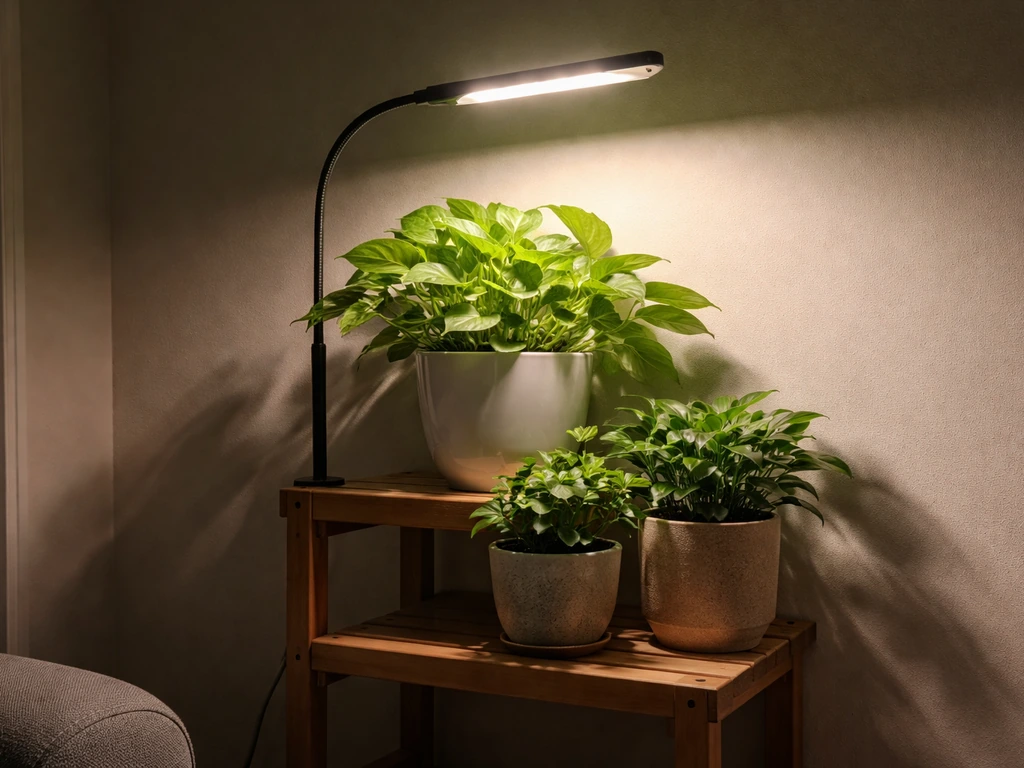
Do plants grow at night: the direct answer
Plants grow at night through cell expansion, not photosynthesis. Photosynthesis stops when the lights go out, but the plant doesn't just shut down. It uses the sugars and starches it built up during the day to fuel cellular processes, including the expansion of cells in leaves and stems. Research on leaf growth has found that expansion can actually peak about two hours after dusk, right after the light period ends, before gradually tapering off through the rest of the night. So there's a real burst of growth right at the start of the dark period, which is why that "it grew overnight" feeling is legitimate.
It's also worth knowing that plants use their nighttime starch reserves in a remarkably precise way. Studies on Arabidopsis show that the plant breaks down its stored photosynthetic starch at a nearly linear rate through the night, timing it to run out almost exactly at dawn. It's a finely tuned system, not a sloppy backup plan. This is why cutting the dark period short or extending it erratically can stress plants: you're messing with a metabolic schedule they've evolved to keep.
Day vs. night growth: when plants grow the most
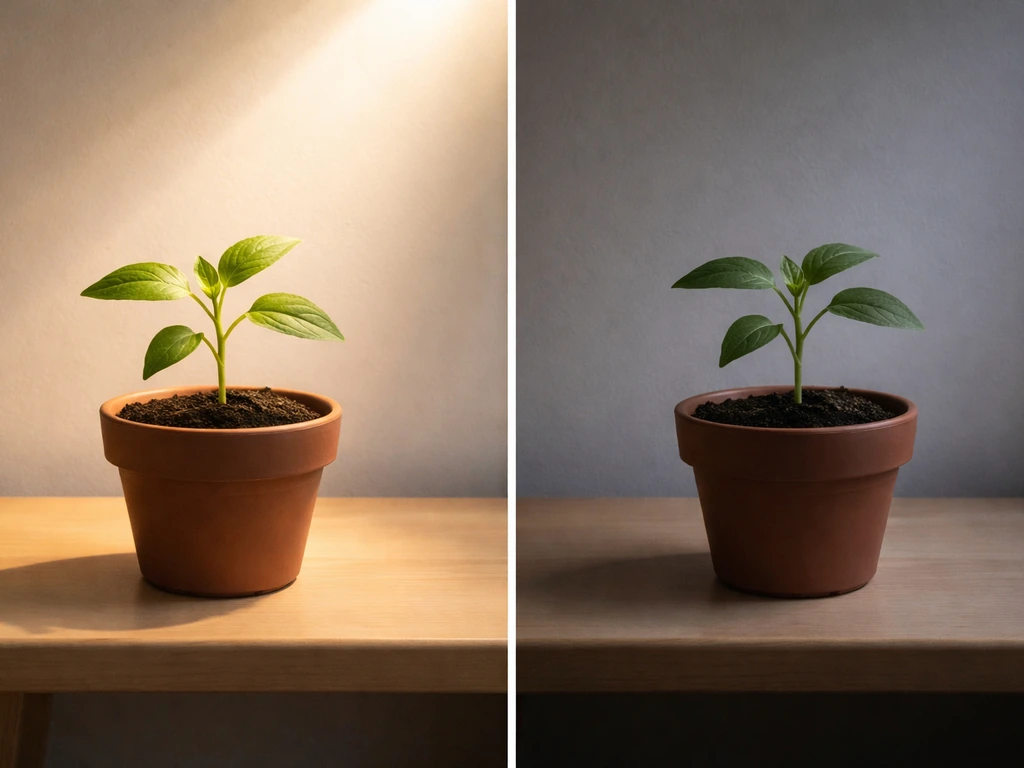
In most conditions, the majority of a plant's daily growth happens during or just after the light period. Studies on Arabidopsis under an 8-hour light/16-hour dark cycle at a stable warm temperature found that roughly 75 to 80 percent of daily growth occurred during the day. That's a significant tilt toward daytime, not a coin flip. Grass species like Brachypodium show an even more dramatic pattern: growth rate spikes sharply at the start of the day and drops off quickly when the lights go out.
But temperature complicates this. When nights are cooler (think 12°C/12°C day-night), nighttime growth becomes a much bigger share of the total. Cool nights slow daytime metabolism in a way that levels the playing field. For most indoor gardeners keeping their homes at normal room temperature, daytime (or light-period) growth still dominates, but the night portion isn't trivial, especially right after lights-off.
The practical takeaway: the light period drives most growth, but it does so partly by loading the plant with resources and setting up the circadian signals that power that post-dusk expansion burst. Day and night are partners in plant growth, not competitors.
Do plants grow faster at night? Myths vs. physiology
The "plants grow faster at night" idea is partly true and partly misunderstood. The piece that's true: stem elongation, especially hypocotyl elongation in seedlings, is actively promoted in darkness and suppressed by light. This is why seedlings left in the dark get tall and spindly (etiolated). Light literally signals the plant to pump the brakes on upward stretching. So in a narrow sense, yes, some elongation-type growth happens faster without light.
The misleading part: faster elongation in darkness isn't healthy growth. Etiolation is a survival response, not optimized development. A leggy seedling stretching toward a distant light source isn't thriving; it's stressed and allocating resources to reach light it can't find. Healthy stem and leaf development requires the photosynthesis that happens in light. Vegetable plants growing at night illustrate this well: they do expand cells after dark, but their overall biomass and productivity depend heavily on adequate light hours.
The circadian clock also plays a role here. Plants track time internally, and hypocotyl growth under short-day conditions peaks at the end of the night and into dawn, not in the middle of the dark period. When researchers experimentally extended the dark period by just three hours, it shifted and disrupted those growth peaks. So "faster at night" depends on what you mean by growth, what species you're talking about, and where you are in the 24-hour cycle.
What plants grow best at night or in low light
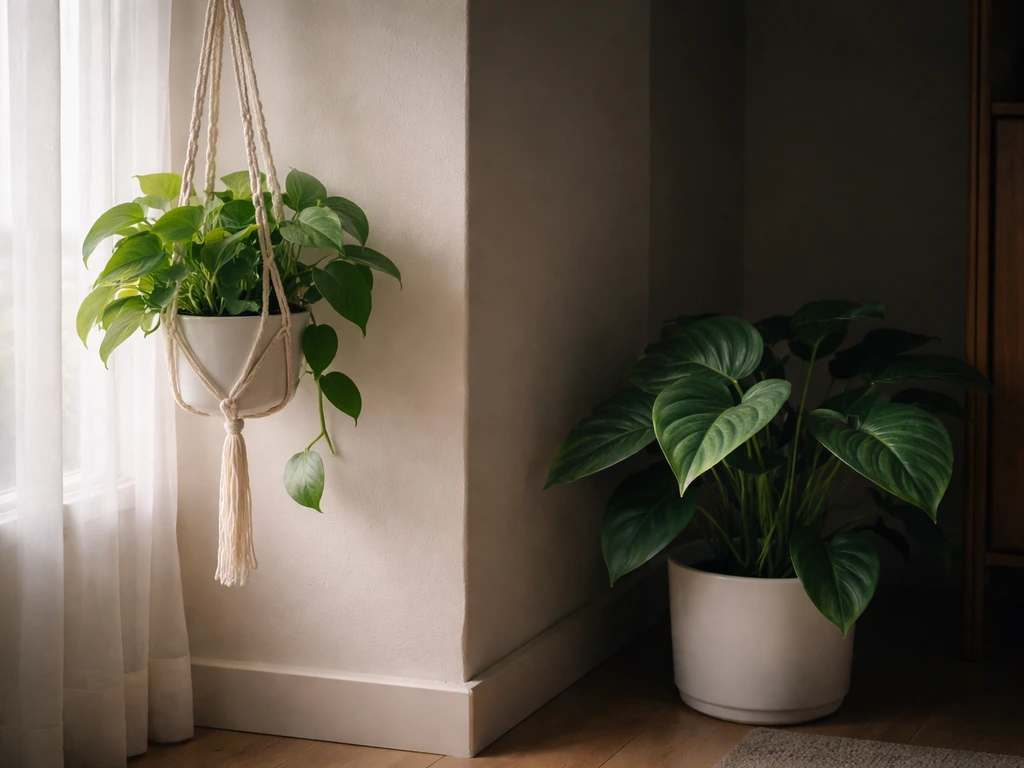
No plant truly "grows at night" in the sense of thriving without any light at all. But plenty of plants are adapted to low-light environments and are much more forgiving when your light hours are limited or inconsistent. These are the plants worth knowing if your indoor space is dim, your schedule is irregular, or you're still figuring out your grow light setup.
- Pothos and philodendrons: extremely tolerant of low light; slow down but rarely give up
- Snake plants (Sansevieria): can survive on as little as 50 PPFD; ideal for dark corners
- ZZ plants: built for drought and low light; very forgiving with irregular schedules
- Peace lilies: prefer low to medium indirect light; one of the most shade-adapted flowering houseplants
- Cast iron plant (Aspidistra): lives up to its name; handles dim rooms better than almost anything
- Chinese evergreen (Aglaonema): tolerates low light, though brighter light enhances coloration
- Ferns (especially Boston fern): prefer indirect, filtered light and high humidity over direct sun
If you're growing edibles, the calculus changes. Most vegetables and herbs need much more light than foliage houseplants to produce the yields you're after. That said, leafy greens like lettuce, spinach, and kale can do reasonably well at moderate PPFD levels (around 200 to 400 µmol/m²/s) with a well-planned photoperiod. You might also be surprised by how specific the light needs of certain plant families are. For instance, nightshades like tomatoes and peppers have their own interesting relationship with light and dark periods, especially when it comes to fruiting.
One more thing to be realistic about: "low light" on a plant tag usually means the plant won't die immediately in dim conditions. It doesn't mean the plant will thrive. If you want actual growth and not just survival, most plants benefit from supplemental lighting even in rooms with windows.
Why nighttime growth happens: what's actually going on in the dark
Here's the short version of the biology. During the day, photosynthesis produces sugars and loads the plant with energy. Some of that energy gets converted to starch for storage. Once the lights go off, the plant shifts into a different mode: photosynthesis stops, but cellular respiration continues, breaking down those starch reserves to keep metabolic processes running. Cell expansion, in particular, can proceed because it's driven by turgor pressure (water moving into cells) and changes in cell wall flexibility, both of which cycle on a circadian rhythm independent of photosynthesis.
Hydraulic conductance, which is basically how easily water moves through plant tissue, also follows a circadian oscillation. This rhythmic water movement is a key driver of the leaf expansion that peaks shortly after dusk. Proteins called expansins loosen cell walls during certain phases of the cycle, allowing cells to take up water and expand. None of this requires photons. It requires the carbon and water the plant loaded up on during the light period.
The circadian clock coordinates all of this. Core clock components and signaling pathways like the PIF (Phytochrome-Interacting Factor) pathway regulate which genes are active at what time of night or day. This is why consistent light schedules matter so much for plants. You're not just giving them light; you're setting their internal clock, and that clock governs much more than just photosynthesis. It's also worth knowing that certain exotic light sources won't substitute well for proper grow lighting. Plants grown under black light, for example, don't get the usable photosynthetically active radiation they need to fuel those daytime energy stores that power night growth.
Stomatal behavior at night is another factor. Many plants keep their stomata partially open after dark, allowing some water movement and gas exchange to continue, though this varies significantly by species. The net effect is that plants at night are not dormant. They're metabolically active, just running on a different fuel mix and doing different work.
How to use this for indoor gardening: lighting schedule and setup
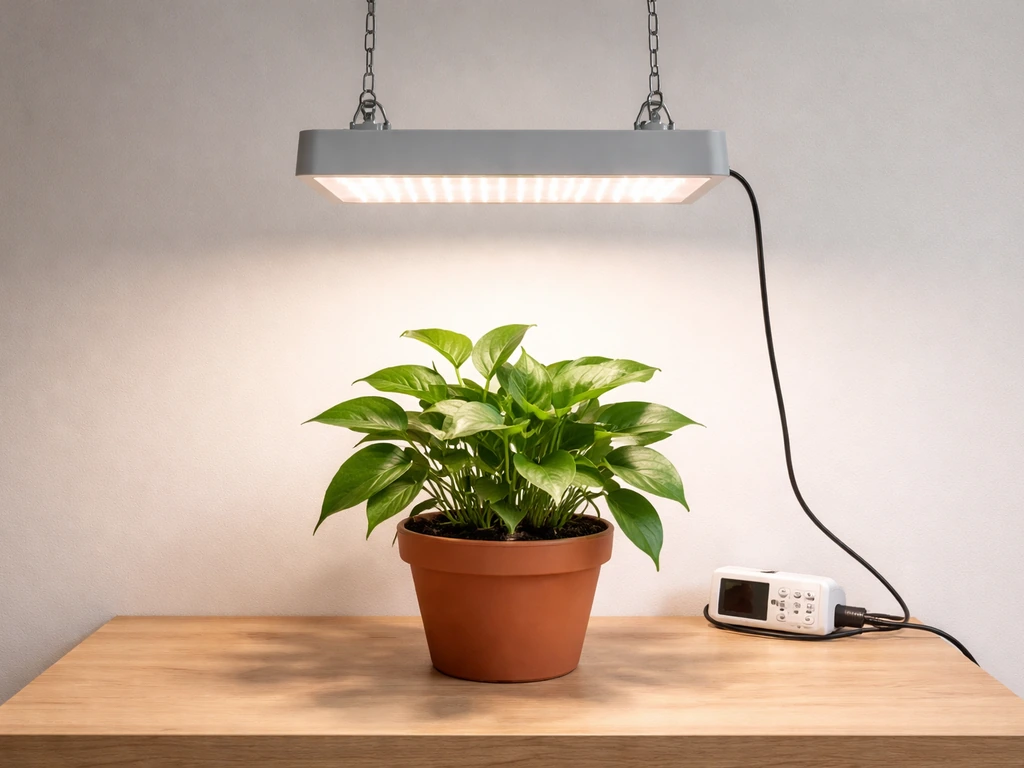
Build your schedule around DLI, not just hours
The most useful number for planning indoor light isn't just how many hours your lights run. It's Daily Light Integral (DLI), which combines light intensity (PPFD, measured in µmol/m²/s) and duration (hours) into a single figure for how much total light your plant receives per day, expressed in mol/m²/day. Leafy greens, for example, typically perform well at a DLI of around 12 to 17 mol/m²/day. Flowering and fruiting crops need more, often in the range of PPFD 400 to 1,200 µmol/m²/s depending on the stage. Knowing your DLI target lets you adjust for the light you actually have: if your grow light is less intense, run it longer; if it's powerful, you can keep the photoperiod shorter.
That said, you can't just run lights for 24 hours straight and call it a win. Plants need a dark period. Most foliage houseplants and vegetables do best with 12 to 16 hours of light and 8 to 12 hours of darkness. Flowering crops like cannabis buds are highly sensitive to day length, where even small changes in photoperiod can trigger or delay the bloom cycle, so consistent dark periods matter even more there.
Long-day plants need more than just a long light period
If you're growing plants that flower based on day length, like petunias, snapdragons, or many herbs, you need to know whether they're long-day or short-day plants. Long-day plants typically need day lengths greater than about 14 hours to trigger flowering. You can achieve this either by running your lights for a full 14-plus hours, or by using a shorter main light period and adding a brief night-interruption light in the middle of the dark period.
A study in a long-day plant found that interrupting the night with a short light period during the long dark phase can affect flowering even under short-day conditions adding a brief night-interruption light in the middle of the dark period. Night-interruption lighting uses much less energy than extending the full photoperiod and can be just as effective for triggering long-day responses.
Practical setup tips for indoor growers
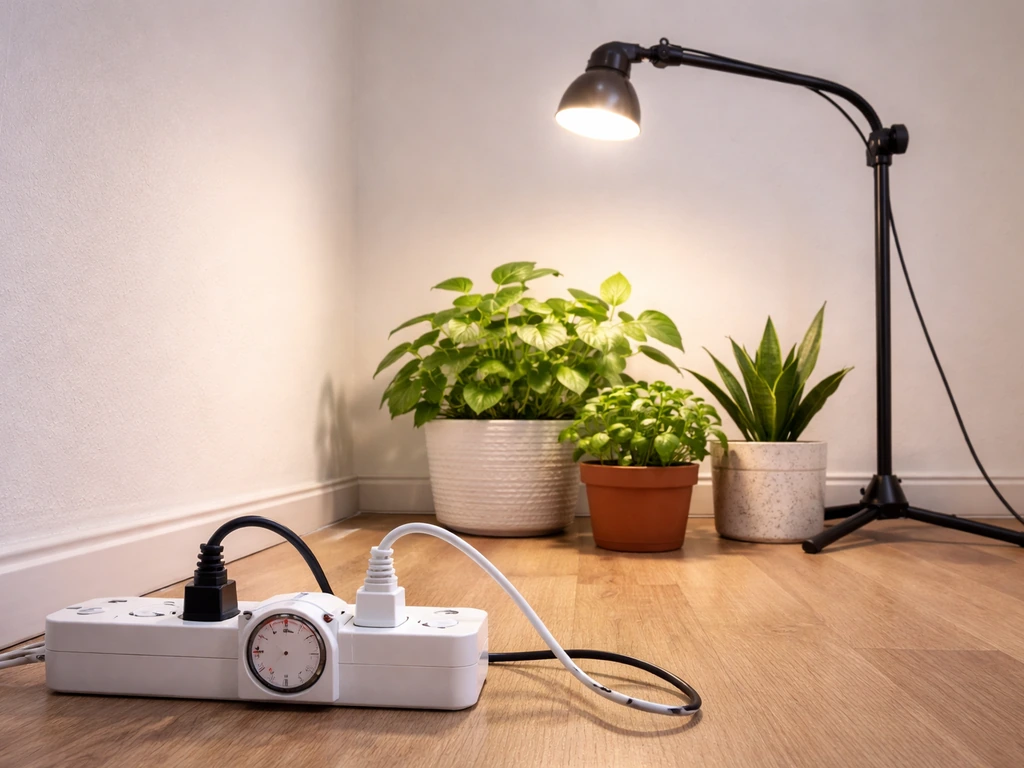
- Use a timer. Seriously, this is the single highest-impact change you can make. Consistent on/off cycles set your plants' circadian clock and prevent the growth disruption that comes from irregular schedules.
- Match PPFD to your plant. Low-light plants like pothos and ZZ plants can get by at 50 to 200 µmol/m²/s. Leafy greens want 200 to 400. Fruiting vegetables need 400 to 800 or more. A cheap PPFD meter (or a free smartphone app with reasonable accuracy) helps you stop guessing.
- Place your grow light at the right height. Most LED grow lights have a recommended hanging distance; start there and adjust based on how your plants respond. Too close causes light bleaching; too far means your DLI drops below useful levels.
- Don't fight the dark period. Since post-dusk is actually when a lot of leaf expansion happens, letting your plants have a genuine dark window (at least 6 to 8 hours) supports that growth rhythm rather than disrupting it.
- If you're on a budget, don't overlook low-tech options. Full-spectrum LED bulbs in standard fixtures can work for low-light plants and seedlings. You don't need expensive commercial grow lights for every situation.
A quick comparison of light schedules by plant type
| Plant Type | Recommended Photoperiod | Target PPFD (µmol/m²/s) | Target DLI (mol/m²/day) | Dark Period Needed |
|---|---|---|---|---|
| Low-light foliage (pothos, ZZ) | 12 hours | 50–150 | ~4–6 | 12 hours |
| Medium-light foliage (ferns, peace lily) | 12–14 hours | 100–250 | ~6–10 | 10–12 hours |
| Leafy greens (lettuce, spinach) | 14–16 hours | 200–400 | 12–17 | 8–10 hours |
| Herbs (basil, mint) | 14–16 hours | 200–400 | 12–16 | 8–10 hours |
| Fruiting vegetables (tomato, pepper) | 14–16 hours | 400–800+ | 20–30+ | 8–10 hours |
| Long-day flowering plants | 14+ hours or night interruption | 150–300 (for flowering trigger) | Varies | Less than ~10 hours critical |
One last thing worth knowing: not every light source counts equally. Growing plants by candlelight sounds romantic, but the PPFD from a candle is so far below usable levels that it contributes essentially nothing to photosynthesis. This matters if you're trying to understand why a plant in a dimly lit room isn't thriving despite technically being "near a light source." Intensity matters as much as duration. Use the DLI framework, get a timer, and give your plants a real dark period. That combination does more for plant health than almost any other indoor gardening adjustment you can make.
FAQ
If plants grow at night, should I leave my grow lights on all the time to speed things up?
No. Even though cell expansion can occur in darkness, plants still need a true dark period to keep their circadian timing and metabolism stable. A common rule of thumb for many foliage plants is about 12 to 16 hours light and 8 to 12 hours dark, and cutting that dark window too short can stress growth and disrupt the night expansion cycle.
Will my plants grow more if I increase the length of the dark period instead of extending the light period?
Often not. Growth can shift toward the post-dusk window, but the plant still runs out of nighttime starch reserves based on how much energy it stored during the light period. Extending darkness without enough prior light typically reduces overall daily growth rather than boosting it.
What does “faster at night” look like, and when is it a red flag?
It often shows up as extra stem or hypocotyl elongation in darkness, which can be normal for seedlings under low light but becomes a problem if it turns into legginess (etiolation). A practical check is whether leaves stay compact and green, and whether the plant appears sturdy, not stretched and pale.
Do plants need darkness that is completely uninterrupted, or can they handle brief light interruptions?
They can handle brief night-interruption lighting in specific cases, especially for long-day flowering triggers. However, you should keep interruptions intentional and brief because moving the timing of the night can shift growth peaks and, for flowering crops, change whether or not bloom is initiated.
My indoor plants stretch even though they get light during the day. Could night conditions be the cause?
Yes. If your dark period is too short, inconsistent, or you use low intensity light, the plant may still elongate and show weak overall development. Use a timer for a stable schedule, then verify light intensity with PPFD or DLI to ensure the plant stored enough energy during the light phase.
Do all plants expand cells after dark, or only certain species?
Cell expansion after dark is common, but the size and timing of the growth burst vary by species, temperature, and developmental stage. Cool nights can increase the relative share of night growth, and grass-like species may show stronger day-start spikes, so one schedule rarely fits every plant.
How can I tell whether my “night growth” is improving biomass or just elongation?
Track more than height. After a few days, compare leaf size, stem thickness, and overall coloration, not just vertical growth. Healthy growth usually increases leaf area and sturdiness, while elongation-only growth often produces thin stems and smaller, less vigorous foliage.
Does stomata opening at night mean my plants are still doing “normal” photosynthesis?
Not exactly. Some plants keep stomata partially open after dark for water movement and limited gas exchange, but photosynthesis is not active without usable light. If your plant looks droopy at night or the air is too dry, humidity and airflow still matter even though photosynthesis is off.
How should I use Daily Light Integral (DLI) if I am trying to optimize nighttime growth?
Focus on meeting the total daily light the plant needs (DLI), then place it into a sensible light period. For leafy greens, a typical target is around 12 to 17 mol/m²/day, while flowering and fruiting crops often require higher light depending on stage. If intensity is low, lengthening light hours can help, but do not remove the dark period.
Can my plant tag say “low light” and still grow fine if it relies on night growth?
“Low light” usually means the plant might survive, not that it will thrive or produce strong biomass. Night growth depends on having stored energy from the light period, so if you only meet survival-level intensity, the nighttime expansion can’t compensate for insufficient daytime energy.
Do unusual light sources work for night growth since growth happens without photons?
They can still fail because plants need photons during the light period to build the sugars and starches that fuel nighttime metabolic activity and expansion. Light that produces little usable photosynthetically active radiation may keep plants alive but limit the energy available for post-dusk growth.