
Yes, cannabis absolutely needs light to grow. Without it, photosynthesis stops, growth stalls, and plants stretch into weak, pale, etiolated stems that eventually collapse. But the more useful answer is this: light doesn't just power growth, it controls which stage of growth your plant is in. Get the intensity and the schedule right, and you can direct your plant from seedling to full veg to flower entirely indoors. Get it wrong, and you end up with confused, stressed plants that either won't flower or won't stop flowering too early.
Does Weed Need Light to Grow? Indoor Light Guide
Marcus Hartley
20 May 2026
How light controls every stage of cannabis growth
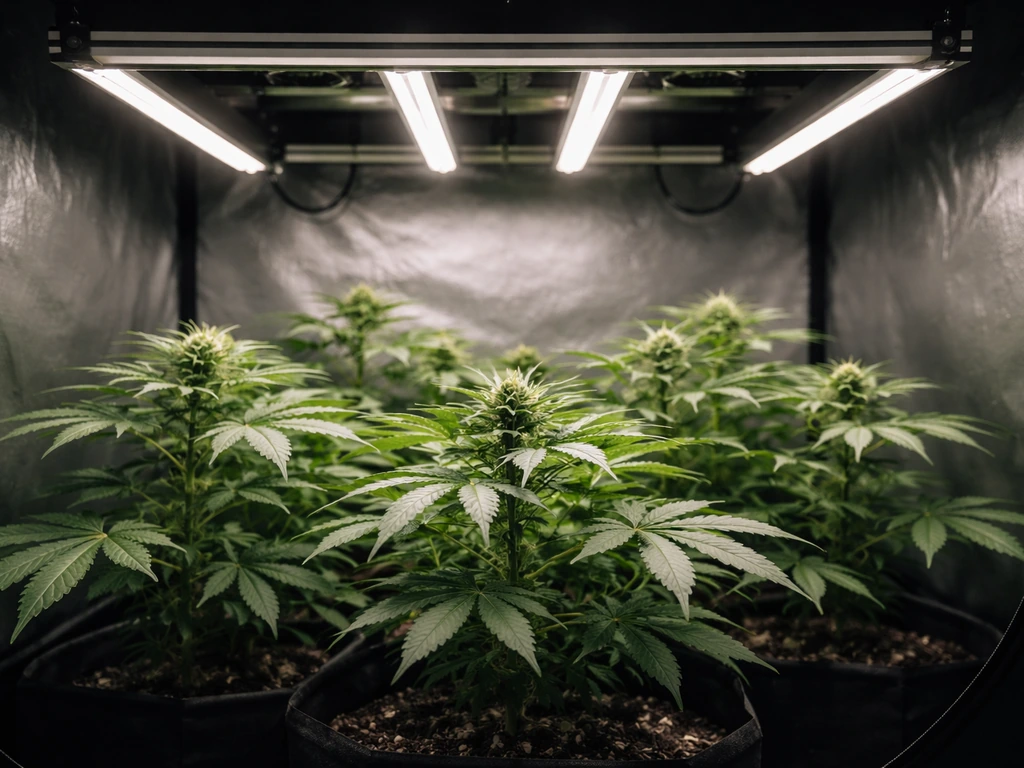
Cannabis doesn't just need light the way a lamp needs electricity. It reads light like a clock and a calendar. The duration and intensity of light your plant receives literally determines which phase of its life cycle it's in. Understanding this by stage makes everything else click.
Seedling stage
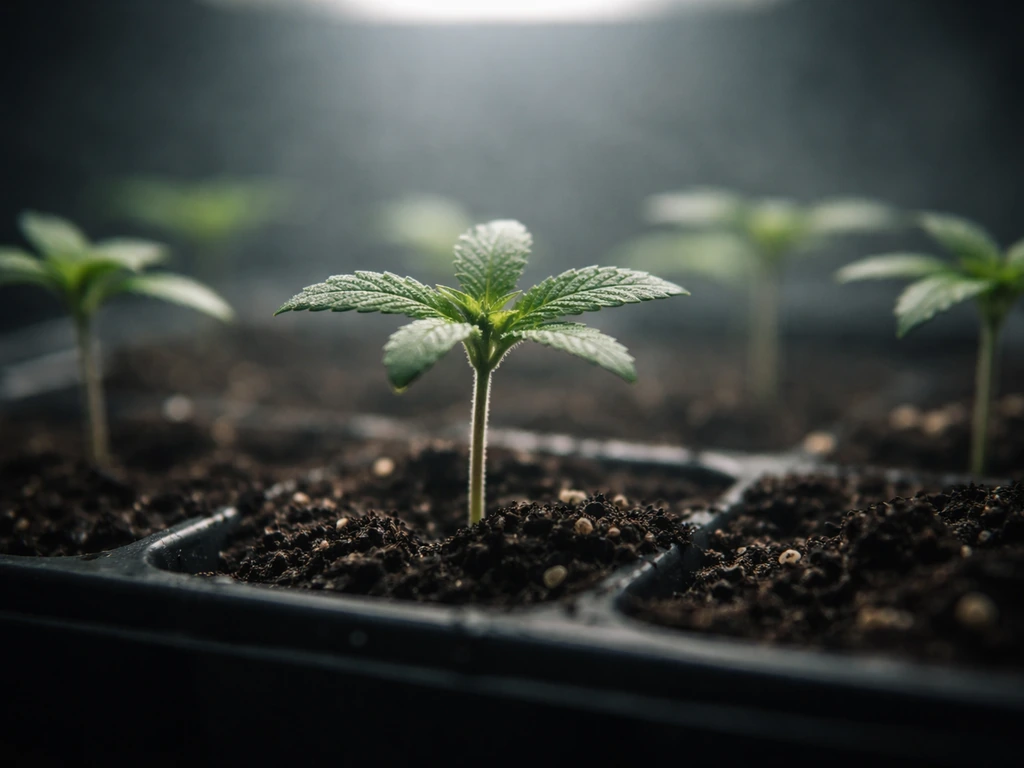
Seedlings are the most light-sensitive stage of the plant's life. They need light, but not a ton of it. A PPFD (photosynthetic photon flux density) of around 200 to 400 µmol/m²/s is the target range here. Too much intensity too early can bleach or stress tender seedlings. Most growers start with an 18/6 schedule (18 hours of light, 6 hours of dark) from day one, which gives the plant plenty of energy without overloading it. CFLs and T5 fluorescents are genuinely great for this stage because their output is gentle enough that you don't have to stress about burning your seedlings. If you are asking whether a can weed grow with regular light bulbs setup will work, CFLs and T5 fluorescents are the safer fluorescent options to start with.
Vegetative stage
Once your plant is past the seedling stage, it wants more light. Vegetative growth runs best at 400 to 600 µmol/m²/s, and the standard schedule is 18 hours on and 6 hours off. Cannabis needs at least around 13 hours of continuous light per day to stay in vegetative mode and not start pushing toward flowering. Many growers keep plants on 18/6 or even 20/4 during veg. The rule of thumb from most growers is that longer light periods mean more vigorous vegetative growth. Some push 24 hours of light (no dark period at all) during early veg, though most experienced growers find 18/6 hits the sweet spot between growth rate and energy costs.
Flowering stage
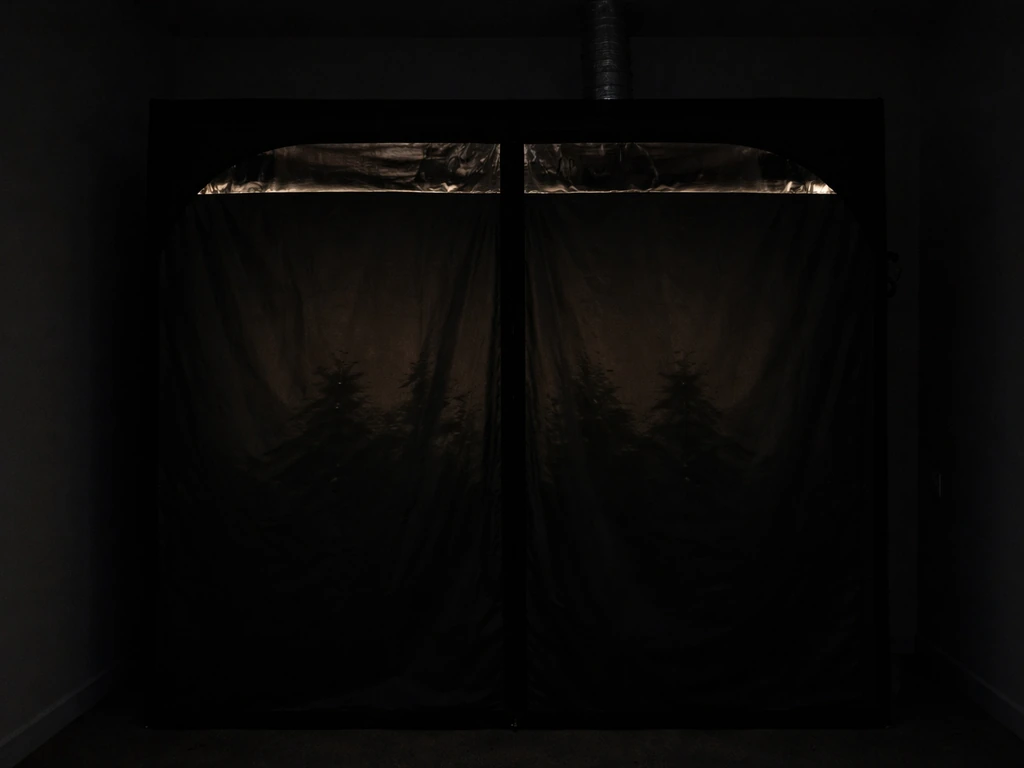
This is where the light schedule becomes critical. Cannabis is a short-day plant, meaning it flowers when the dark period gets long enough. For most photoperiod strains, you trigger flowering by switching to 12 hours of light and 12 hours of uninterrupted darkness. Research shows that an uninterrupted dark period of at least around 10.8 hours is needed to initiate flowering, and most growers default to a clean 12/12 split. Once you make the switch, your plant starts directing energy toward bud production rather than leaf and stem growth. The target PPFD jumps too, up to 600 to 1000+ µmol/m²/s during peak flowering. More light intensity during this stage directly translates to denser buds.
Dark periods and why the schedule actually matters
A lot of first-time growers focus entirely on the light side of the schedule and don't give the dark period enough respect. The darkness isn't just downtime for your plant. It's when the plant processes the signals that control flowering. The key is that the dark period needs to be uninterrupted, especially during flowering. Even a brief burst of light in the middle of your dark cycle can reset the hormonal clock your plant is running on.
During vegetative growth, interrupting the dark period is actually less of a problem. There's even a technique called the 12/1 method where you run 12 hours of light, then 5.5 hours of darkness, then 1 hour of light, then 5.5 hours of darkness. The brief light break prevents the plant from accumulating enough uninterrupted darkness to trigger flowering, so it stays in veg even though total light time is lower. This is useful if you're trying to save electricity while keeping a plant in vegetative mode.
During flowering, though, you need that 12-hour dark period to be completely uninterrupted. Light leaks, a timer malfunction, or even opening the grow space to check on your plants mid-dark-cycle can stress a flowering plant. Grow Weed Easy specifically recommends preventing light leaks during the dark period for photoperiod plants so they do not get interrupted during flowering. Repeated interruptions can cause photoperiod plants to revert toward vegetative growth, produce irregular bud development, or in worst cases, go hermaphrodite and develop pollen sacs alongside buds. That last outcome is something you really want to avoid because it can seed your entire crop.
What actually happens when light is too low
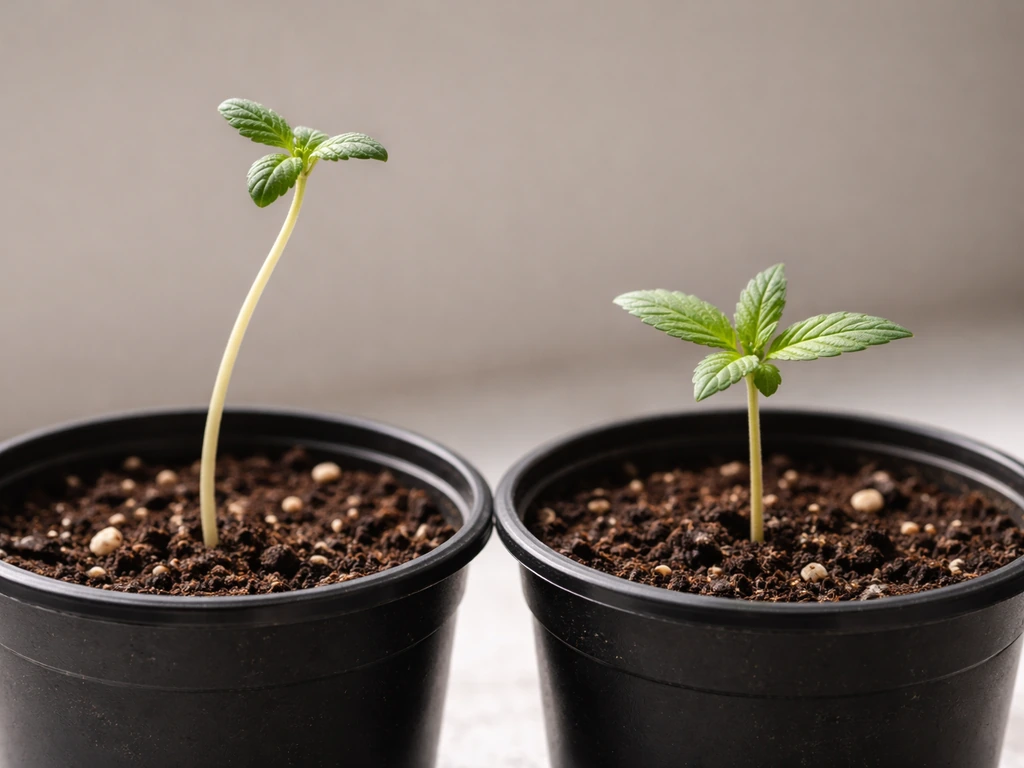
If you've ever seen a cannabis seedling that looks like it's trying to escape its pot, stretching up in a long, thin pale stem with tiny leaves, that's etiolation. It's what happens when a plant isn't getting enough light and starts reaching desperately toward any source it can find. The stems get long and weak because the plant is burning stored energy to grow toward light rather than building strong, compact tissue. These plants are fragile and can topple over from their own weight.
The most common cause is light that's either too weak for the stage, mounted too far from the canopy, or covering too narrow a footprint. A single CFL bulb sitting 12 inches above your seedling tray, for example, might look bright to you but is delivering far less than the 200 µmol/m²/s those seedlings need right at canopy level.
Beyond seedlings, low light during vegetative growth just slows everything down. Node spacing stretches out, leaves stay small, and overall structure gets loose and airy instead of compact and bushy. During flowering, low light intensity directly reduces bud density. Your plant will flower, but the results are disappointing compared to what the same genetics can do under proper light.
Setting up your indoor lights: LED vs fluorescent vs window
Most indoor growers are working with one of three light sources: LED grow lights, fluorescent bulbs (T5 or CFL), or natural window light. Each has a real use case and real limitations.
| Light Source | Best Stage | Typical PPFD Output | Recommended Distance | Notes |
|---|---|---|---|---|
| LED Grow Light | All stages (seedling through flower) | Varies widely by wattage; quality LEDs reach 600–1000+ µmol/m²/s | 18–24 inches for veg; 12–18 inches for flower (check manufacturer specs) | Best all-around option; full spectrum; runs cool; worth the investment for flower |
| T5 Fluorescent | Seedling and early veg | Lower output; suitable for 200–400 µmol/m²/s range | 2–6 inches from canopy | Excellent for seedlings; too weak for serious flowering |
| CFL (Compact Fluorescent) | Seedling and early veg | Low output; 200–400 µmol/m²/s close up | 2–6 inches from canopy | Cheap and accessible; great starting point but limits flowering potential |
| Window (natural light) | Seedling only in most cases | Variable; rarely sufficient for consistent veg or flower | N/A | Unpredictable schedule; hard to control photoperiod; fine for casual vegging |
For a practical indoor setup, the recommendation is straightforward: use CFL or T5 fluorescents for seedlings because they're cheap, gentle, and easy to position close to the canopy. As soon as plants enter vegetative growth, switch to an LED grow light if you can. A decent full-spectrum LED in the 200 to 400 watt range covers a 2x2 to 4x4 foot footprint adequately for both veg and flower. Position it according to the manufacturer's PPFD map (most good LEDs now include these), and dial back intensity or raise the height during seedling stage.
Window light alone is almost never enough to carry a cannabis plant through vegetative growth and flowering indoors. Light coming through glass is filtered, the daily duration changes with seasons and cloud cover, and you have no control over your dark period for photoperiod plants. You can start seedlings on a bright south-facing windowsill, but plan to move them to a proper grow light before they hit vegetative stage if you want any real results.
- Place your light at the right height: 18 to 24 inches above canopy for LED during veg, 2 to 6 inches for T5/CFL at any stage
- Use a timer from day one so your schedule is automatic and consistent
- Map your light coverage: a single light often has hot spots in the center and weak edges, so rotate plants or check PPFD at multiple canopy points
- Use reflective walls (white paint, mylar, or reflective film) to bounce light back onto your canopy and reduce waste at the edges of your grow space
- Increase light intensity gradually as plants grow, rather than blasting seedlings with full power from the start
Autoflowers, reflective techniques, and making timers work for you
If you're growing autoflowering cannabis, the relationship with light is a little more forgiving. Autoflowers don't rely on a change in light schedule to trigger flowering. They flower based on age, typically starting around 5 to 6 weeks old regardless of how many hours of light they're getting. This means you don't need to switch from 18/6 to 12/12 to get them to flower. Most autoflower growers run 18/6 for the entire grow, from seedling to harvest. Some push 20/4 or even 24/0 to maximize growth rate, though giving the plant some dark period (even just 4 to 6 hours) is generally considered healthier long term.
The question of whether autoflowers still need a light schedule at all (related to whether weed plants grow in the dark) comes up often. Even without light, weed will not be able to grow normally, because the plant needs light for photosynthesis can weed grow without light. The answer is yes, they still need substantial daily light to produce meaningful yields. Just because they aren't photoperiod-dependent doesn't mean they'll perform on minimal light. Autoflowers still benefit from hitting those PPFD targets by stage and from consistent daily schedules.
Reflective surfaces are an underrated free upgrade for any grow space. Lining your walls with white paint or reflective mylar can recover 10 to 30 percent of light that would otherwise be absorbed by dark surfaces. This effectively increases your usable PPFD at the canopy without spending anything on more lights. For small spaces like closets or grow tents, this makes a real difference.
Timers are non-negotiable once you're past the seedling stage. A basic plug-in mechanical timer costs a few dollars and removes the single biggest source of schedule inconsistency: forgetting to flip your lights manually. For flowering photoperiod plants especially, a reliable timer protecting that 12-hour dark period is as important as the light itself.
Troubleshooting: too little light, light leaks, and quick fixes
Most light problems announce themselves clearly if you know what to look for. Here's how to diagnose and fix the most common issues fast.
Signs your plant isn't getting enough light
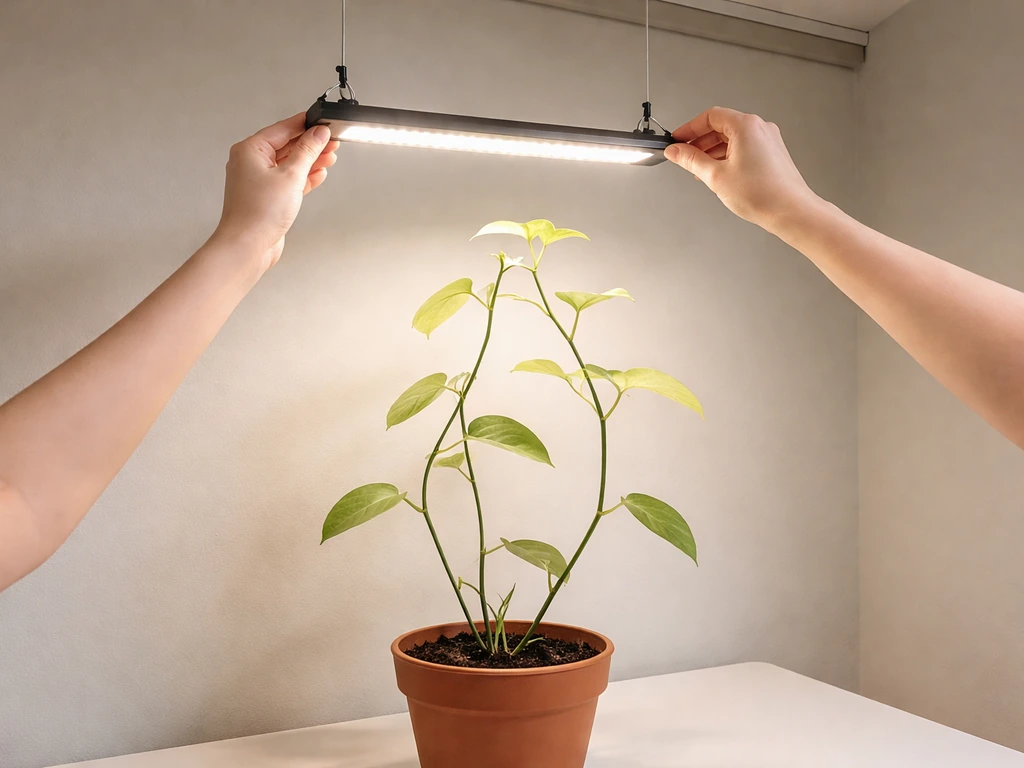
- Stretching/leggy growth: long internodal spacing, thin weak stems that lean or fall over
- Pale or yellowish leaves (not from nutrient deficiency): light green coloration across the whole plant, not just older or newer leaves
- Slow or stalled growth in what should be an active veg stage
- Airy, loose bud structure during flowering instead of dense nodes
The fix for all of these is the same: get more light to the canopy. Lower your fixture closer to the recommended distance, increase intensity if your light has a dimmer, add a second light source, or move plants to a better position. For stretched seedlings, you can also bury the extra stem length when you transplant, which gives the plant a more stable base.
Signs of a light leak or dark period interruption
- Flowering plants that start growing new vegetative leaves after several weeks of budding (re-vegging)
- Irregular or asymmetrical bud development
- Appearance of pollen sacs or banana-shaped stamens on what should be female flowers (hermaphroditism)
- Plants that simply won't flower after weeks on a 12/12 schedule
To find light leaks, go into your grow space during the scheduled dark period and let your eyes adjust for a few minutes. Any light sources, including timer indicator LEDs, cable gaps at tent zippers, or light bleeding under a door, will become obvious. Seal gaps with black tape, light-blocking foam strips, or a door sweep. Replace any timers that aren't holding their schedule reliably. If hermaphroditism has already appeared, remove affected plants or carefully pick off pollen sacs before they open to protect the rest of your crop.
Signs of too much light
For completeness: if leaf tips are bleaching white or yellowing closest to the light source while lower leaves look fine, your light is too intense or too close. Raise the fixture a few inches at a time until the bleaching stops. This is more common with high-powered LEDs run at full intensity too close to the canopy, and it's an easy fix once you recognize it.
Getting the light right for cannabis indoors is genuinely one of the highest-leverage things you can do. Whether you're keeping it simple with fluorescents for seedlings, running a quality LED through flower, or experimenting with autoflowers that don't need a schedule change to bloom, the fundamentals are the same: enough intensity for the stage, a consistent schedule on a timer, and a dark period that stays dark.
FAQ
Can cannabis grow with only natural sunlight (no grow lights) indoors?
It may start, especially on a bright south-facing windowsill, but you usually cannot reliably maintain the correct daily intensity and, for photoperiod strains, you cannot control the uninterrupted dark period. If you want consistent vegetative growth and predictable flowering indoors, plan to switch to proper fixtures before the plant finishes seedling stage.
Does weed need complete darkness during flowering, or is brief light exposure okay?
It needs the dark period to be uninterrupted. Even a short light burst in the middle of the dark cycle can interfere with the plant’s flowering signals. If you must enter the space, use the lowest-safe light source and avoid turning on bright lights during the dark window.
If I accidentally left the light on longer during flowering, will my plants be ruined?
One occasional mistake is not always fatal, but it can delay flowering or cause uneven bud development. The practical move is to return to a strict schedule immediately and avoid further interruptions, especially keeping the next dark period fully dark. For repeated schedule drift, upgrade or replace the timer.
How close should lights be to the canopy, and how do I know if my distance is wrong?
Distance is tied to intensity at the canopy, so the right approach is to use the manufacturer’s PPFD/distance guidance (for LEDs) rather than guess by eye. If you see bleaching or white/yellow leaf tips near the light while lower leaves stay darker, the fixture is too intense or too close, raise it a few inches and recheck after a couple days.
What is a common scheduling mistake with timers?
Most schedule failures come from timers that do not hold time accurately, especially cheap plug timers that drift. Another common issue is counting “hours of light” without ensuring the photoperiod dark block is continuous. Use a timer that you verify with a quick test and keep it powering only the grow lights (not fans or other devices that can trigger accidental light).
Do autoflowering plants still need a dark period?
They do not need a 12/12 switch to flower, but they still benefit from having a daily dark window for healthier routines and better stress control. Many growers run 18/6 (or similar) rather than 24/0, because a long continuous light period can be harder on plants and increases electricity use.
Is it better to increase light intensity during veg and flower, or keep it within the target ranges?
More is not always better. During seedlings, too much intensity can stress or bleach tender growth. During veg and flower, exceeding your stage-appropriate intensity without adjusting distance and cooling can lead to stress and poor structure. Use a gradual approach, raising intensity or lowering distance only when the plant shows it can handle it (no bleaching, no rapid leaf clawing).
If my seedlings look stretched, does that mean they need more light, or could it be something else?
Light shortage is the most common cause of etiolation (long pale stems, small leaves), but weak light delivery can also be caused by mounting distance, a narrow footprint, or reflectors not being used. Before changing everything, check that the light is reaching the canopy evenly and that the schedule is consistent.
Does reflective mylar actually help, or is it just a minor improvement?
In small spaces it can be meaningful. Reflective surfaces can recover a portion of light that would otherwise be absorbed by dark walls, effectively increasing usable PPFD at the canopy without buying more fixtures. It is especially helpful when you are limited by light coverage area.
How can I detect light leaks during the dark period?
Go into the grow area during the scheduled dark cycle and let your eyes adjust for a few minutes. Look for sources you might ignore when lights are on, including indicator LEDs on devices, cable gaps, tent zipper seams, or light bleeding under a door. Seal any leak points so the dark truly stays dark.
Can I grow cannabis in the dark if I use a tiny light to “keep it alive”?
No. Even if plants survive for a short time, they cannot photosynthesize enough without substantial daily light to produce meaningful growth or yields. A weak or intermittent light may reduce performance dramatically, so you still need stage-appropriate intensity and consistency.
What should I do if I see pollen sacs or signs of hermaphroditism?
If you notice pollen sacs on photoperiod plants, remove affected parts or the whole plant early to protect the rest of the crop, because pollen release can seed everything. After removing them, focus on preventing future dark-cycle interruptions by fixing the timer, sealing light leaks, and avoiding mid-dark access.