Yes, most plants grow better in sunlight than in shade, but the honest answer is more useful than that: every plant has a light range where it thrives, and pushing a plant past that range in either direction causes real problems. Full sun gives faster growth, stronger stems, and better flowering for sun-loving species. But for shade-tolerant plants, too much direct sun scorches leaves and stresses the plant just as badly as too little light does to a sun-lover. The goal isn't always "more light", it's matching your plant to the right intensity and duration of light for its specific needs. If you understand why sunlight matters for photosynthesis, you can match light intensity and duration to what each plant needs why do plants grow better in sunlight.
Do Plants Grow Better in Sunlight or Shade? How to Know
How plants actually use light
Plants convert light into sugar through photosynthesis, and light is the fuel that drives the whole process. But light isn't just an on/off switch. Two separate factors control how much a plant gets: intensity (how bright the light is) and duration (how many hours of light it receives each day, also called photoperiod). Both matter, and both can be limiting factors.
Intensity is measured in foot-candles or lux for practical home use, or in PPFD (photosynthetically active photon flux density) if you're using a grow light and want precision. To put the numbers in perspective: a bright outdoor day delivers 10,000 to 12,000 foot-candles, while a south-facing window might hit 500 to 1,000 foot-candles at the glass. Move a few feet back into the room and that number drops fast, following the inverse-square law, double the distance, roughly quarter the light. A spot that feels bright to your eyes might only be delivering 75 to 150 foot-candles to your plant's leaves, which is squarely in the medium-to-low range.
Duration is how long the light is available each day. Researchers use a metric called Daily Light Integral (DLI) to capture the total light dose a plant receives over 24 hours. A rough formula: DLI = 0.0036 × PPFD × hours of light. High-light indoor plants need a DLI of roughly 12 to 16 mol/m²/day to perform well. Seedlings typically need 16 to 18 hours of light per day under grow lights, while herbs and hydroponic lettuce do well at 12 to 14 hours. Illinois Extension recommends not exceeding 16 hours regardless of plant type, plants need a dark period, and running lights around the clock can actually interfere with growth.
One more thing worth knowing: photoperiod doesn't just affect growth speed. For some plants, certain flowering species especially, day length triggers blooming. If you start adjusting light schedules to boost growth, you might accidentally shift the flowering response of a photoperiod-sensitive plant. Keep that in mind before you start changing hours on something that's supposed to bloom at a specific time of year.
What "growing better" actually looks like
Better growth means different things depending on the plant. For a tomato or pepper, better growth is measurable: faster height gain, thicker stems, more flowers, and actual fruit. For a snake plant or ZZ plant, better growth might just mean a new leaf every month instead of every few months. It's worth being specific about what outcome you're actually after.
- Sun-loving plants (herbs, vegetables, most flowering plants) in adequate light: faster growth, compact and sturdy stems, vibrant leaf color, and reliable flowering or fruiting
- Shade-tolerant plants (snake plant, pothos, peace lily, cast iron plant) in appropriate low-to-medium light: steady leaf production, healthy color, minimal stress — not fast, but consistent
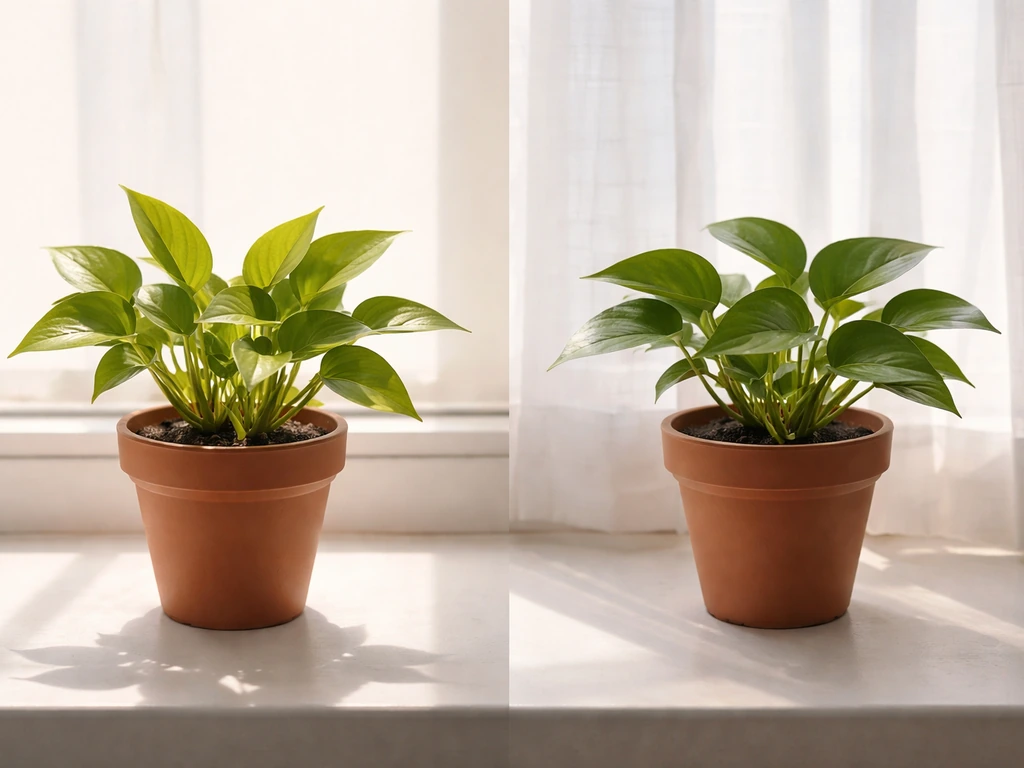
- Any plant in insufficient light: slower growth, longer internodes (the stretchy leggy look), smaller and paler leaves, reduced water uptake, and no flowers or fruit
- Any sun-sensitive plant in too much direct light: bleached or scorched leaf tips and margins, crispy brown edges, wilting despite moist soil
Lower light doesn't just slow growth visually, plants in dim conditions also use less water because they're photosynthesizing less. If you've noticed your plant staying wet for a long time between waterings, that's often a light problem before it's a watering problem.
Test your space today before moving anything
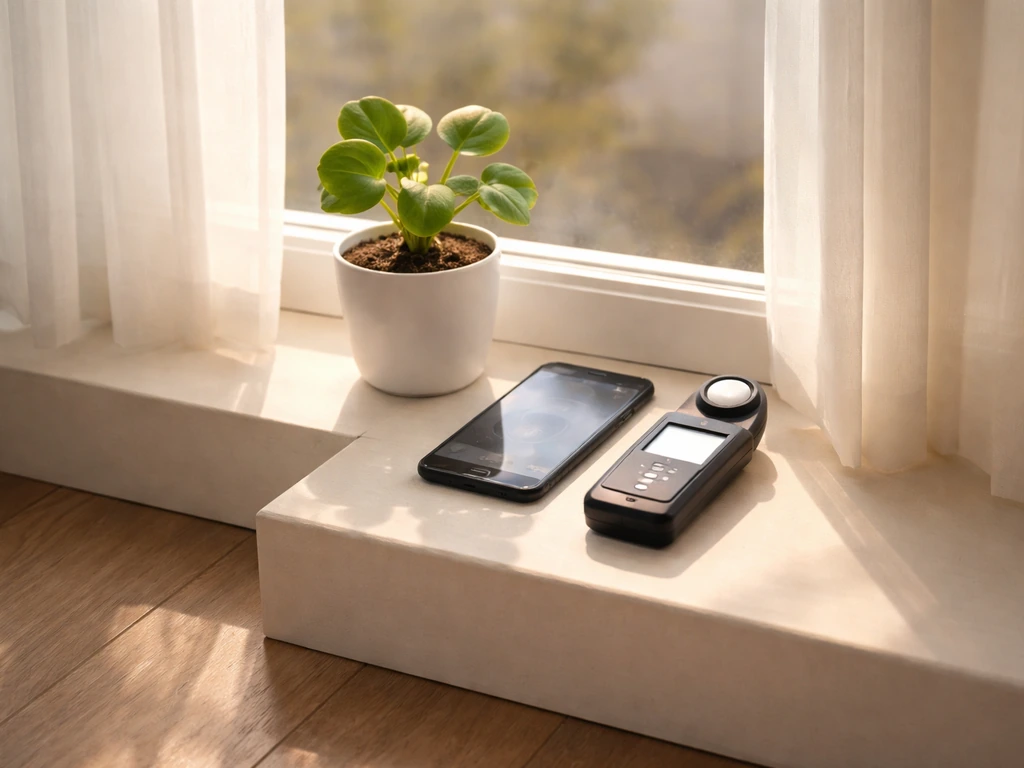
You don't need expensive equipment to get a useful read on your light. Here's a practical three-step approach you can do right now.
- Observe window direction and time of day. South-facing windows get the longest, strongest light. East-facing windows get gentle morning sun. West-facing windows get afternoon sun, which can be intense. North-facing windows get no direct sun at all. This alone tells you roughly where you fall on the intensity scale.
- Count usable hours. On a typical day, track how many hours direct or bright indirect light actually hits the spot where your plant sits. Four or fewer hours is low light. Six or more hours of bright indirect or some direct sun is getting into the medium-to-high range.
- Use a light meter app or a basic foot-candle meter. Your phone's camera app can give a rough estimate, or you can buy a basic light meter for under $20. Aim the sensor at where your plant's leaves will be. Low is 25 to 100 foot-candles. Medium is 75 to 500 foot-candles. High is 500 to 1,000 foot-candles and above. These numbers tell you what plant categories you can realistically support in that spot.
If you're using a grow light, measure PPFD at the leaf level at the distance you plan to hang the light. PPFD drops quickly with distance. Moving a light from 12 inches to 24 inches above your plant can cut the usable light by more than half. Check the manufacturer's PPFD chart if available, or use a PAR meter. Then use the DLI formula to confirm your hours setting delivers the daily total your plant needs.
Practical setup: placement, rotation, and light schedules
Once you know what your space delivers, you can make smart decisions about where to put things and how to supplement.
- Place high-light plants within four to eight feet of a bright south-facing window. Beyond eight feet, light intensity at the leaf can fall into the low-light range even in a sunny room.
- Rotate plants a quarter turn every week or two. Uneven light causes plants to lean toward the source (phototropism), which creates lopsided growth. A simple weekly rotation keeps growth even.
- For grow lights, hang full-spectrum LED panels at the manufacturer's recommended distance — usually 12 to 24 inches for most houseplants — and use a timer to set consistent daily light schedules. Seedlings: 16 to 18 hours. Herbs and leafy plants: 12 to 14 hours. Most other houseplants: 12 to 16 hours depending on their light category.
- Don't exceed 16 hours of artificial light per day. Plants need a dark period as part of normal physiology.
- If supplementing window light with a grow light, add the two together. A plant getting six hours of decent window light might only need four to six more hours of grow light to hit its daily light target — not a full 12-hour artificial schedule on top of natural light.
- Group plants by light need. Keep shade-tolerant plants away from your sunniest spots and let your sun-lovers dominate the bright windows.
Choosing the right plant for your light conditions
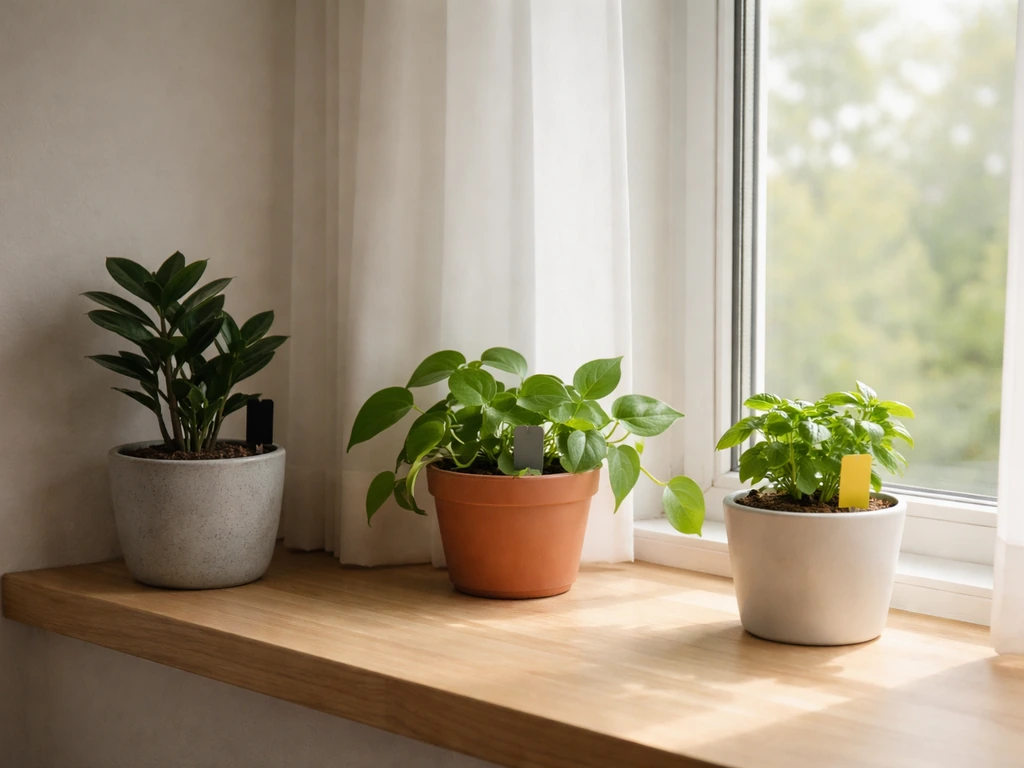
This is honestly the most practical thing you can do. Matching plant to location beats fighting bad light conditions every time. Here's a working breakdown based on foot-candle ranges.
| Light Level | Foot-Candles | Example Plants | Notes |
|---|---|---|---|
| Low | 25–100 fc | ZZ plant, snake plant, cast iron plant, peace lily, pothos | North-facing windows or spots far from any window; slow growth is normal |
| Medium | 75–500 fc | Philodendron, dracaena, spider plant, Chinese evergreen, most ferns | East-facing windows or a few feet back from south/west windows |
| High | 500–1,000 fc | Croton, hibiscus, jade plant, hoya, most herbs, succulents | South or west-facing windows close to the glass; grow lights often needed indoors |
| Very High (outdoors/grow light) | 1,000+ fc | Tomatoes, peppers, basil, most fruiting vegetables | Typically require supplemental grow lighting indoors to hit adequate DLI |
If you're working with a genuinely low-light space, leaning toward plants that actually prefer shade isn't settling, it's smart gardening. Shade-tolerant plants can look genuinely lush and healthy in low-light conditions where sun-lovers would be struggling. For little sunlight, choose shade-tolerant plants that thrive in low-light conditions instead of forcing sun-lovers to adapt. If your deck area gets little sunlight, choose shade-tolerant plants that can handle that low-light environment. There's also a lot of nuance in the "indirect sunlight" category that's worth understanding if you're trying to get growth from plants that don't want direct sun beams.
When light goes wrong: symptoms to recognize and fix
Both too little and too much light cause visible stress in plants. The tricky part is that some of these symptoms overlap with overwatering, underwatering, nutrient issues, and pests. But light is usually the first thing to rule in or out because it's free and easy to change.
Signs of too little light
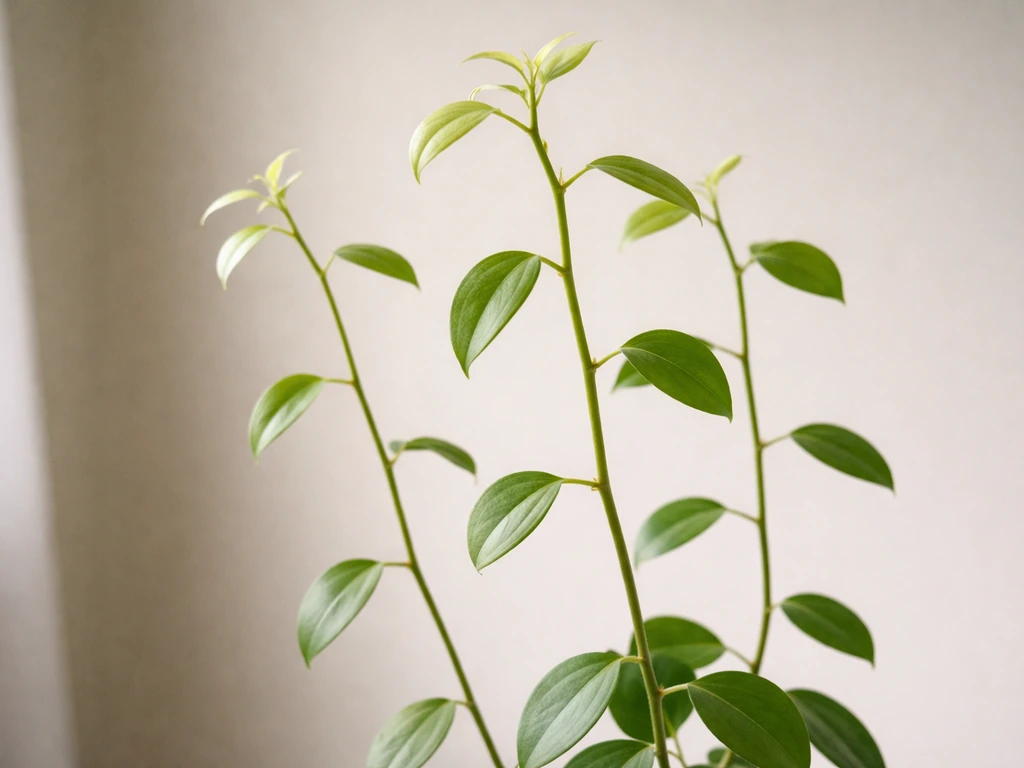
- Leggy, stretched stems with long gaps between leaves (the plant is reaching for more light)
- Small, pale, or yellowing new leaves
- Slow or stopped growth despite healthy care
- No flowers or fruit on a plant that should be producing
- Soil staying wet much longer than usual between waterings
The fix for insufficient light is usually moving the plant closer to a window or adding a grow light. If you move to a significantly brighter spot, do it gradually over a week or two, a sudden jump from very low to very high light can itself stress the plant.
Signs of too much light or direct sun damage
- Brown, crispy leaf tips or scorched patches on the surface of leaves (especially on the side facing the sun)
- Bleached or washed-out leaf color (particularly on variegated plants)
- Wilting during peak light hours even when the soil is moist
- Leaves curling inward or downward as the plant tries to reduce light exposure
Scorch and burn on leaf margins can look similar to salt damage or underwatering, so check the pattern. Light scorch usually appears on the most sun-exposed surfaces first. Moving the plant back from the window or adding a sheer curtain to filter direct rays usually resolves it within a few weeks, and new growth should come in healthy once light levels are corrected.
One important note: foliage color and condition can improve after you correct the light situation, but it takes time. The damaged leaves won't recover, you're waiting for new, healthy leaves to replace them. If you've adjusted light and other factors (water, nutrition, airflow) and the plant still isn't improving after six to eight weeks, it's worth considering whether something else is also going on.
Your next steps right now
Start with observation: which direction does your brightest window face, and how many hours of light does your plant's current spot actually receive? Oklahoma State University Extension notes that many houseplants require the light found within four to eight feet of a bright south window. Check whether the plant is showing any symptoms of light stress. If it's leggy and pale, it needs more light. If it has scorched edges and bleached patches, it's getting too much. Then use the foot-candle tiers and plant categories above to decide whether to move the plant, add a grow light, or simply swap it out for a species that's a better fit for your space. Most indoor light problems are solvable, and the plants will tell you clearly when you've got it right.
FAQ
Does sunlight through a window count as “full sun” for plant growth?
Not usually. Window glass cuts the spectrum and the intensity drops fast with distance from the glass, so a spot that feels bright to you may deliver only medium light to the leaves. If you are aiming for sun-loving results, measure at the leaf level or use a PAR/PPFD approach, then adjust placement or use a grow light.
How much direct sun is “too much” for a shade-tolerant plant?
Too much is when new stress shows up, commonly leaf scorch on the most exposed surfaces first, or a bleached, washed-out look after hot midday rays. A good rule is to ramp exposure gradually over 1 to 2 weeks (shade to filtered rays to brighter spots) instead of moving straight into stronger direct sun.
If my plant is growing slowly, is it always because it needs more light?
Often, but not always. Low light can reduce growth and also slow water uptake, but nutrient problems, root crowding, poor airflow, temperature swings, or watering frequency can mimic light-related stress. If your plant stays wet unusually long between waterings, that supports a light issue first, but still check roots and fertilizer before making big changes.
What’s the best way to tell “too little light” versus “too much light” when symptoms overlap?
Look at the directionality and pattern. Too little light commonly causes legginess, pale or thinner leaves, and slower new growth. Too much light more often causes bleached patches or scorched margins, starting on the side facing the brightest light source.
Should I use a timer to give my grow-light plants a longer day to force faster growth?
More hours does not always mean better. Many plants need a dark period, and pushing beyond typical photoperiods can interfere with growth and flowering responses in photoperiod-sensitive species. Use DLI (total light dose) and plant-appropriate schedules, then avoid 24/7 lighting for most home setups.
Do plants need sunlight even if they’re in soil and I feed fertilizer regularly?
Yes. Fertilizer cannot replace light because photosynthesis is what turns that energy into sugars and biomass. If the light is limiting, plants often grow poorly despite adequate nutrition, and excess fertilizer can build salts in the pot and worsen stress.
How do I figure out light levels in a home without a PPFD meter?
Use placement and relative checks, then measure if possible. Start by comparing positions near different windows and observe leaf response after a gradual move. If you cannot measure, use the window distance and orientation as your primary variables, and correct based on clear signs like leggy growth (low light) or leaf burn/bleaching (high light).
Can plants recover if their leaves were scorched or bleached after too much sun?
Existing damaged leaves usually do not heal back to normal. Once light is corrected, the plant may produce healthier new leaves, but you are mostly waiting for replacement growth. If there is no improvement in 6 to 8 weeks after correcting light and other basics (watering, airflow, nutrients), re-check for pests, root problems, or other stressors.
Why do some plants stretch toward the light, even if they’re watered and fertilized?
Stretching (etiolation) is a common response to insufficient light. The plant increases height to reach brighter conditions, while leaf color often fades. Improving intensity and/or duration at the leaf level is the fix, and it usually works better than simply adding fertilizer.
Does light color (red/blue) matter if the plant is already getting enough hours?
Yes, but it’s secondary to total light dose for most indoor situations. For example, grow lights with different spectra can change morphology and flowering behavior, even when the DLI is similar. If you’re using grow lights, prioritize correct PPFD and DLI first, then choose spectrum suited to your plant goals (vegetative growth vs flowering).
Can rotating my indoor plants make them grow better?
It can help, especially in medium light where the plant naturally leans. Rotate gradually (for example, every week) so all sides get similar exposure, which reduces uneven growth. Avoid rotating too frequently if the plant is already stressed, because repeated changes in light direction can slow adaptation.