Plants need sunlight to grow because light is the energy source that powers photosynthesis, the process where a plant converts carbon dioxide and water into glucose. That glucose is essentially the plant's food, and without it, there is nothing to fuel new leaves, roots, flowers, or fruit. No light means no energy, and no energy means no real growth. That is the short answer. But if you are an indoor gardener trying to figure out whether your windowsill is enough, or whether a grow light can fill in the gaps, the full picture is more useful than the simple biology lesson.
Why Do Plants Need Sunlight to Grow? Science and Tips
Marcus Hartley
18 Apr 2026
Why sunlight is the engine behind plant growth
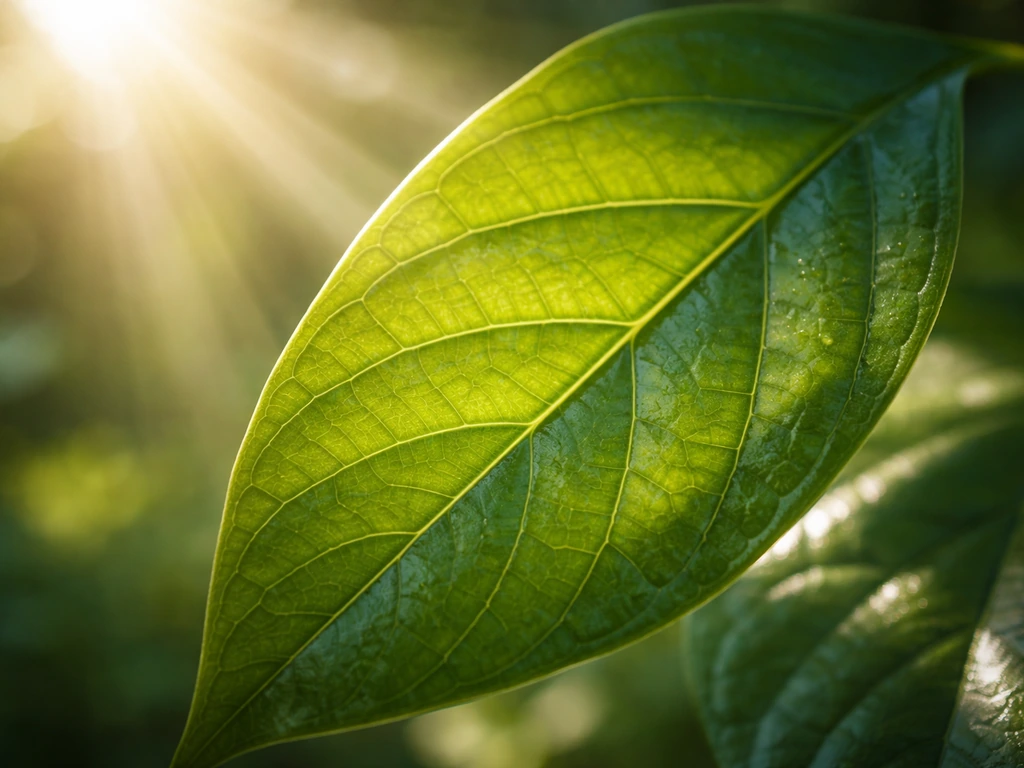
Photosynthesis is the core reason plants need light. The process works like this: chlorophyll in the plant's leaves captures light energy and uses it to split water molecules and combine carbon dioxide into glucose. Photosynthesis uses light energy to convert carbon dioxide and water into glucose (a carbohydrate) and oxygen combine carbon dioxide into glucose. Oxygen is released as a byproduct, which is why plants are good for air quality. The glucose that gets produced is not just sitting there, it gets used to build new cells, support root development, produce flowers, and ripen fruit. Every visible sign of a thriving plant, the bushy growth, the deep green color, the new leaves unfurling, traces back to how much energy the plant is pulling from light each day.
Beyond photosynthesis, light also regulates plant development through a process called photomorphogenesis. This is how light signals shape things like stem length, leaf size, and when a plant decides to flower. So light is not only a fuel source, it is also a communication signal that tells the plant what kind of environment it is in and how to respond. A plant grown in low light does not just grow slower, it grows differently, often producing stretched, weak stems as it reaches for more light. On Mars, the real question is whether there’s enough total light for plants to keep photosynthesizing, even if sunlight exists in the first place enough sunlight on Mars.
What plants actually need from sunlight
Not all parts of the light spectrum matter equally to plants. Chlorophyll absorbs photons most efficiently in the blue range (roughly 430 to 475 nm) and in the red range. Blue light supports compact, leafy growth, while red light is closely tied to flowering and fruiting. The range of light that plants can actually use for photosynthesis is called PAR, or photosynthetically active radiation, and it covers the 400 to 700 nm range of the visible spectrum. When you see grow lights marketed with PAR or PPFD ratings, that is what they are measuring: the photosynthetically useful light reaching the plant.
Intensity matters too. Light levels for plants are measured in foot-candles for simple setups, or in PPFD (photosynthetic photon flux density) for more precise grow light work. Low-light houseplants generally need somewhere between 50 and 250 foot-candles to survive, and you can hold most of them in the 250 to 500 foot-candle range for decent results, though more is better for active growth. High-light plants, think full-sun herbs or fruiting vegetables, typically need at least 1,000 foot-candles and often more for best flowering and fruiting.
Duration is the third variable. Plants do not just need light, they need enough light accumulated over the course of a day. This is what researchers call the daily light integral, or DLI, which measures the total amount of photosynthetic light received per square meter per day (expressed as mol·m⁻²·d⁻¹). Think of it as the difference between a quick flash of bright light versus a full day of steady exposure. A high-intensity light for a short window may not deliver the same DLI as a moderate light running for a longer photoperiod. For indoor gardeners, this means running your grow light long enough each day matters just as much as how bright it is.
Do all plants need direct sunlight, or can they get by with less?
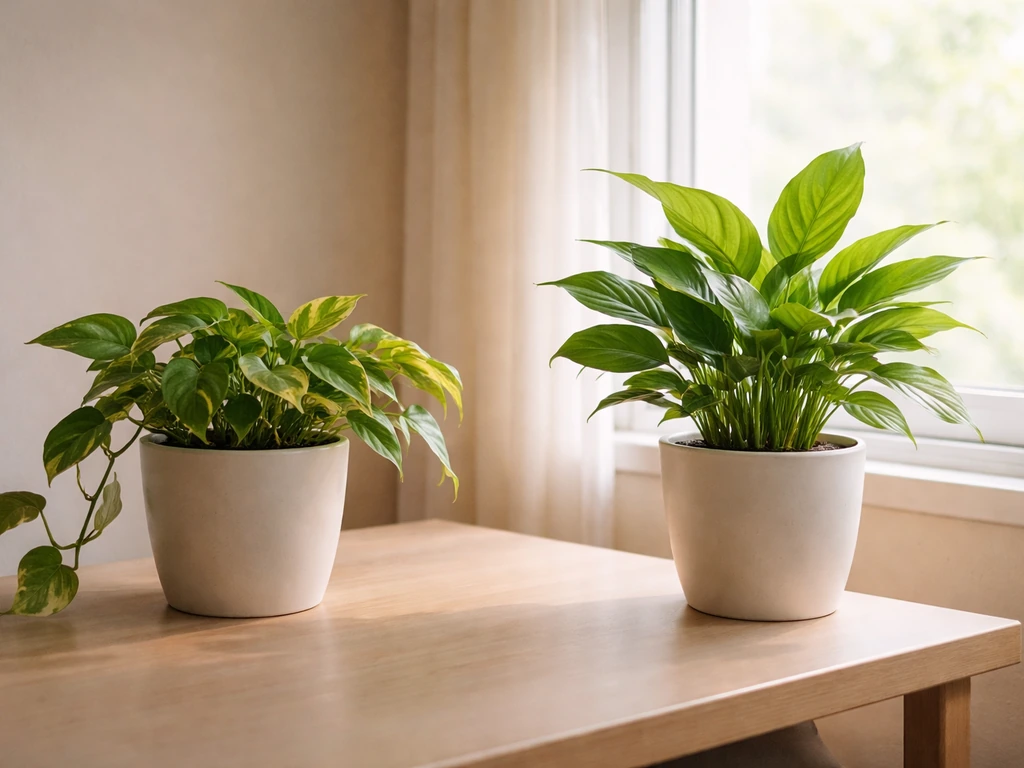
This is one of the most common questions I hear, and the honest answer is: no, not all plants need direct sunlight, but all plants need some usable light. The difference between direct and indirect light is significant. Direct sunlight, like a south-facing window with unobstructed sun, can deliver several thousand foot-candles. A bright indirect spot a few feet from that same window might deliver 500 to 1,000 foot-candles. A corner with no natural light nearby might scrape 25 to 50 foot-candles, which is below the survival threshold for even most low-light plants.
Plants sold as low-light tolerant, like pothos, snake plants, ZZ plants, and peace lilies, have adapted to survive and even look decent in shadier conditions. But 'low light' is a relative term, and it gets misused constantly. It does not mean no light. It means those plants can handle the dimmer end of the foot-candle range that most homes offer. A money plant (pothos), for example, will survive in a darker corner but will grow slowly and lose its variegation. Move it to a brighter indirect spot and you will see noticeably more vigorous growth. Some plants, like cacti and most fruiting crops, genuinely need high direct light and simply will not thrive indoors without a strong grow light setup.
Sunlight vs artificial light: what actually works indoors
The good news for indoor gardeners is that plants do not care where their light comes from, as long as it covers the right wavelengths, intensity, and duration. A well-chosen grow light can fully replace sunlight for most houseplants and even for food crops. The two most practical options for home growers are LED grow lights and fluorescent bulbs.
| Feature | LED Grow Lights | Fluorescent Bulbs (T5/T8) |
|---|---|---|
| Energy efficiency | Very high, low electricity cost over time | Moderate, higher running cost than LED |
| Light spectrum | Full spectrum or targeted red/blue options | Broad spectrum, good for general growing |
| Heat output | Low, safe close to plants | Moderate, can warm the growing area |
| Best for | All growth stages, flowering, fruiting | Seedlings, leafy greens, low-light houseplants |
| Upfront cost | Higher initial investment | Lower upfront cost |
| Lifespan | 50,000+ hours typical | 10,000–20,000 hours typical |
| Placement | Check manufacturer PPFD map for distance | 6–12 inches above plant canopy for most types |
For most indoor plant parents, a quality full-spectrum LED grow light is the better long-term choice. The energy savings add up quickly, the heat output is low enough that you can position the light closer to the plant, and modern LEDs cover both the blue and red wavelengths that chlorophyll needs most. Fluorescent T5 or T8 bulbs are a solid, cheaper entry point, especially for seedlings and leafy greens where you do not need the intensity required for flowering or fruiting. If you are running lights for 12 to 16 hours a day, the electricity cost difference between LED and fluorescent becomes meaningful over months.
Placement is where most people go wrong with grow lights. The light intensity drops off quickly with distance, so positioning matters as much as the fixture itself. Always check the manufacturer's PPFD data at different distances if it is available. A light that delivers 1,000 PPFD at 12 inches might only deliver 300 PPFD at 24 inches. Most leafy houseplants do well with the light positioned 12 to 24 inches above the canopy, while higher-light plants like herbs or tomatoes usually want the light closer.
How sunlight and water work together
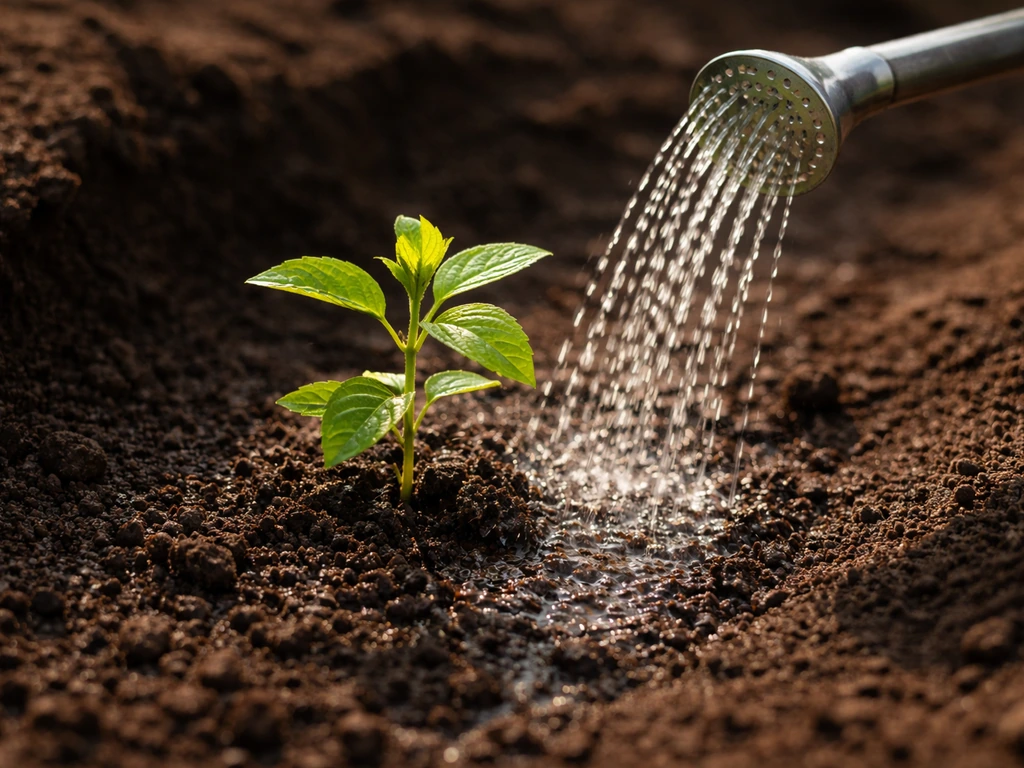
Light and water are not separate variables you can manage independently. They are directly connected in the photosynthesis equation: water molecules are split during the light-dependent reactions of photosynthesis, and the hydrogen is used to build glucose. Without adequate water, photosynthesis slows even if the light is perfect. But the relationship goes the other way too. A plant in low light uses less water because it is photosynthesizing less and losing less moisture through its leaves. This is why overwatering is so common with indoor plants in dim spots: the plant is barely processing energy, so it does not need much water, and roots sitting in wet soil quickly rot.
Water also drives nutrient transport from the roots up through the plant. Without enough water, minerals and micronutrients cannot move to where they are needed, and you can end up with deficiency symptoms even if the soil is well-fertilized. The practical takeaway: match your watering frequency to your light conditions. A plant getting strong light from a grow light or a sunny window will dry out faster and need more frequent watering than the same plant sitting in a dim corner. If you moved a plant under a new grow light, expect to adjust your watering schedule upward.
Signs your plant is not getting enough light (and what to do about it)
Plants are pretty good at telling you when their light situation is not working. The classic symptom of too little light is etiolation: the stems stretch out long and thin, leaves become smaller and more widely spaced, and the overall color shifts toward pale yellow or light green. This is the plant reaching desperately toward whatever light is available. It is not just cosmetic, it means the plant is burning stored energy to survive rather than building new healthy tissue.
- Leggy, elongated stems with wide gaps between leaves
- Leaves turning pale green or yellow (chlorosis) without obvious overwatering
- New leaves are noticeably smaller than older ones
- Variegated plants losing their pattern and turning all green
- Slow or zero new growth over several weeks during the active growing season
- Soil staying wet for much longer than it should, because the plant is barely using water
If you see those signs, here is a practical sequence to work through. First, move the plant closer to your brightest window, even a few feet makes a real difference. If natural light is genuinely limited, that is when a grow light earns its place. Start with a simple full-spectrum LED positioned 12 to 18 inches above the canopy and run it for 12 to 14 hours a day using a timer. Reassess after two to four weeks: are new leaves coming in with better color and normal size? Is the plant using water faster now? Those are signs the light situation is improving. If you are curious whether UV light plays any role beyond PAR, or how to nail down the exact daily hours your specific plant needs, those are worth exploring as separate questions, since light duration requirements vary quite a bit between species. UV light isn’t required for most plants to grow; they mainly use the visible light ranges plants have adapted to photosynthesize.
One thing worth saying directly: not every space can support every plant. Some rooms just do not have the light for a fiddle-leaf fig or a tomato plant, and no amount of wishful thinking changes that. But most homes can support a thoughtful selection of low-light plants near windows, and a basic grow light opens up the options dramatically. The goal is matching the plant to the available light, or bringing enough artificial light to match what the plant actually needs. Either approach works, as long as you are honest about what the space offers.
FAQ
How can I tell the difference between “too little light” and “a watering or nutrient problem”?
If a plant is not getting enough usable light (even if the room is bright to your eyes), it may show slow growth and etiolation, and it will often use less water than expected. Use the plant’s response as a guide: check whether new leaves are normal size and spacing, and whether the soil dries at the expected pace for that light level. If you see stretched stems plus pale, small leaves, move it closer to the brightest source or add a grow light for more DLI, not just more brightness for a short time.
When my plant looks unhealthy, should I adjust light or fertilizer first?
Try changing only one variable for a week or two, then observe new growth. If you increase light and see leaves return to normal size and color, that confirms the issue is primarily light. If symptoms remain unchanged, check watering (root stress) and fertilization, because low light also reduces nutrient uptake and can mask or mimic deficiency signs.
Why does the same plant do well in one window but fail in another?
Windows differ a lot by direction and obstructions. A south-facing window in the right season can deliver thousands of foot-candles, while north-facing light is often much weaker, and sheer curtains or a wall close to the window can cut intensity dramatically. A practical approach is to place the plant at the best spot you can within the same room, then reassess after 2 to 4 weeks, looking for changes in new leaf size, color, and spacing.
Can too much sunlight or too strong a grow light harm my plant?
“Direct” sunlight and “strong” grow light are not the same for indoor plants. Direct sun can also be intense enough to overheat leaves or cause scorch if the plant is acclimated from dim conditions. With grow lights, avoid starting at a too-close distance, begin around 12 to 18 inches above the canopy (or the manufacturer’s recommended height), and increase gradually so the plant adjusts.
If a plant survives in low light, will it still be healthy long-term?
Yes. Many plants tolerate lower light, but if you keep them under very dim conditions long-term, they may lose traits like variegation, produce fewer or smaller leaves, and become more susceptible to pests. “Survive” is not the same as “thrive,” so even low-light plants usually benefit from a modest light upgrade and careful rotation.
Do plants need different light in winter than in summer?
Light needs are often seasonal. In winter, day length drops and windows deliver less intensity, so the same plant spot can effectively become a lower-DLI environment. If growth slows noticeably in winter, keep the plant closer to the window or extend grow light runtime within reasonable limits (use a timer), then monitor whether new growth improves.
Why do some grow lights work well for one plant but not another, even if they look similarly bright?
Full-spectrum LEDs can vary in output pattern, and fixture design affects how evenly light reaches the canopy. Two lights with similar “brightness” can deliver very different PPFD at the leaf level, especially at the edges of the plant. If possible, check the manufacturer’s PPFD at distance or use a PPFD meter, and adjust placement so the highest-need parts of the plant are getting consistent intensity.
How long should I wait before judging whether the light change is working?
If your plant is improving, the best sign is new growth that looks normal for that species (proper leaf size, less stretching, and better color) rather than how the old leaves look. Old leaves cannot “fix,” so evaluate after 2 to 4 weeks when the plant produces new tissue under the changed light.
What’s more important for indoor growth, brightness or hours per day?
Your timer settings matter because DLI depends on both intensity and duration. Running lights too briefly can under-deliver total daily photons, even if the light seems bright. If you change photoperiod, do it gradually, keep a consistent schedule, and expect that different plant types (leafy versus fruiting) may need different runtimes.
Is “bright room” light really enough for low-light houseplants?
Yes, indirect light can still be too dim, especially away from the window. Use a simple sanity check: if the plant is so far back that you struggle to read small print comfortably without artificial light, you are likely below survival thresholds for many common houseplants. In practice, many people need a small move toward the window plus a modest grow light to reach usable PAR.
Do indoor plants need UV light to grow?
Most plants do not require UV for growth because their photosynthesis uses visible wavelengths in PAR. However, “no UV” does not mean “the same spectrum as daylight,” because blue and red content, plus total DLI, still drive growth. If you buy a light, focus on coverage of needed PAR wavelengths and adequate intensity, not on UV branding.
How should I change watering after moving a plant to a brighter spot or stronger grow light?
If you switch from a dark corner to a bright window or stronger grow light, the plant may temporarily dry faster or shift its water use because photosynthesis increases. Expect to adjust watering frequency upward, and look for root health indicators. If leaves wilt after the move, it can be either light-driven water demand or a sudden change in conditions, so check soil moisture before watering again.