
Yes, plants can grow using sunlight through glass, and for a lot of common houseplants, a well-placed window is genuinely enough. The catch is that glass does filter out some light, your window's direction and size matter enormously, and some plants simply need more intensity than any window can deliver. Once you understand which category your plant falls into, you can stop guessing and set things up to actually work.
Can Plants Grow With Sunlight Through Glass? A Practical Guide
Marcus Hartley
29 May 2026
How much sunlight actually makes it through glass
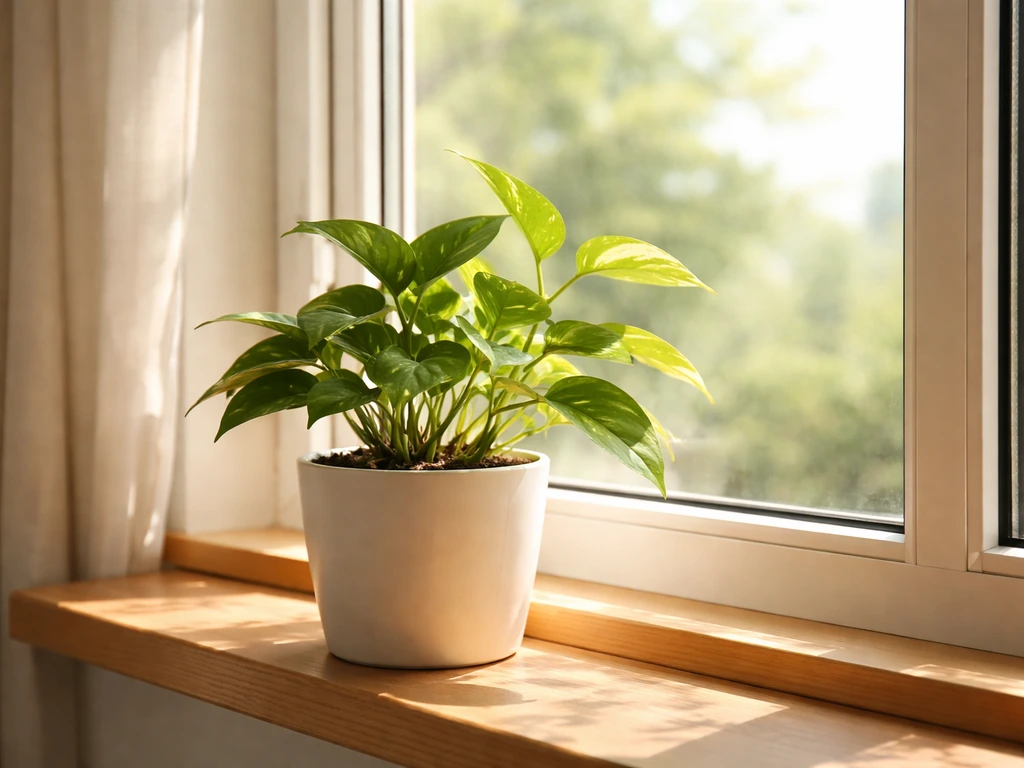
Standard clear single-pane glass transmits roughly 85–90% of visible light, so the loss alone isn't dramatic. The bigger issue is what happens to the light beyond that. Full outdoor sunlight hits around 2,000 µmol/m²/s PPFD (photosynthetic photon flux density, the unit that actually measures usable light for plants). By the time that light passes through a window, bounces off interior surfaces, and reaches a plant sitting a few feet back from the sill, you might be working with 200–500 µmol/m²/s or less depending on conditions. That's enough for many plants, but it falls well short of what heavy feeders like tomatoes need.
Glass also blocks essentially all UV light, which doesn't matter much for photosynthesis since plants use the 400–700 nm PAR (photosynthetically active radiation) range. Modern double-pane and low-E coated glass can reduce light transmission more noticeably, sometimes down to 60–70% depending on the coating. So the type of glass in your window isn't a small detail. More on that below.
What plants actually need: light intensity, spectrum, and duration
Plants don't care about lumens or foot-candles the way lighting engineers do. What matters to a plant is PPFD: the number of photosynthetically useful photons landing on its leaves every second, measured in µmol/m²/s. Pair that with duration, and you get DLI (daily light integral), the total photosynthetic light a plant receives in a full day, measured in mol/m²/d. A sun-loving herb like basil wants a DLI of around 14–16 mol/m²/d, while a pothos can get by on 4–6.
In practical terms, herbs like basil and parsley need roughly blank" rel="noopener noreferrer">300–500 µmol/m²/s PPFD to grow well. Fruiting plants like tomatoes push that to 500–700 µmol/m²/s or higher. Shade-tolerant houseplants can manage on much less, sometimes under 100 µmol/m²/s. The spectrum matters too: plants use red light (around 660 nm) and blue light (around 440–480 nm) most efficiently for photosynthesis, and standard window glass passes both reasonably well. What you lose through glass is mostly intensity, not the spectrum plants actually need.
Duration is the third piece. Most plants need somewhere between 8 and 16 hours of usable light per day depending on species. A dim winter window that only delivers good light for 4 hours is a very different situation than a bright south-facing window in June that gets 8 solid hours of direct sun.
Where to put your plants for the best window results
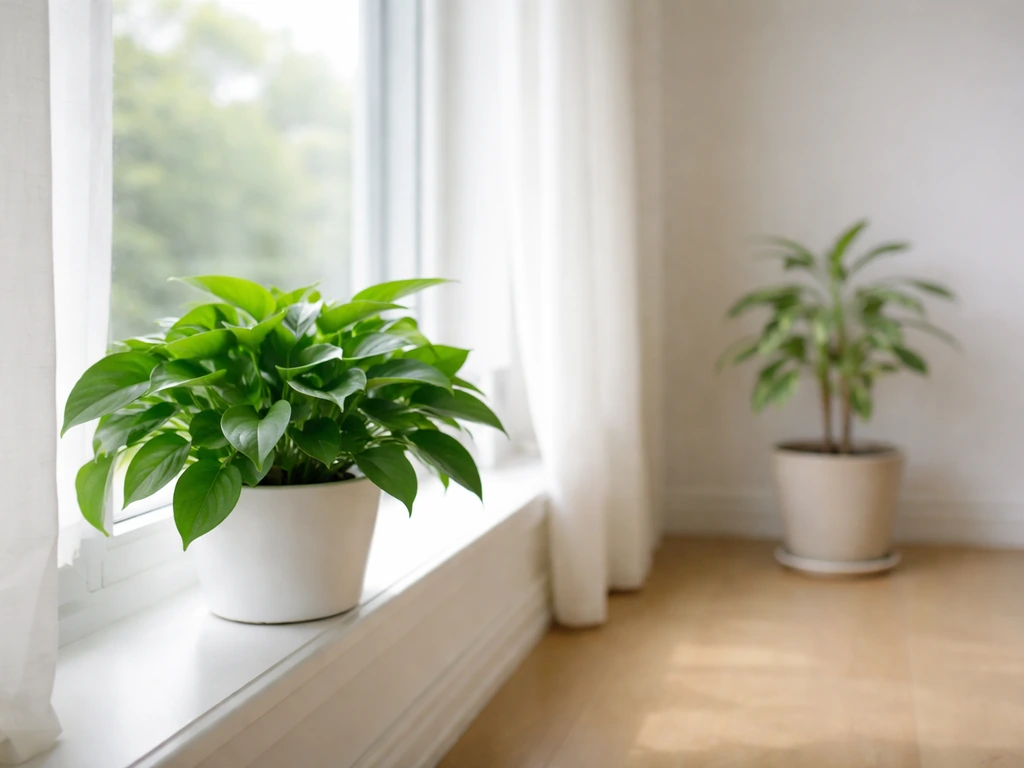
Placement is where most indoor gardeners leave the most improvement on the table. Distance from the glass is the single biggest variable you can control. Light intensity drops fast as you move away from a window: blank" rel="noopener noreferrer">doubling your distance from the glass roughly quarters the light intensity your plant receives. Using mirrored surfaces can effectively bounce more usable light toward your plants, which may help make up for weaker window intensity mirrored light. That means a plant on a windowsill might be getting 400 µmol/m²/s while one sitting 4 feet back in the same room might be getting 100 µmol/m²/s or less. Put your brightest-light plants as close to the glass as physically possible.
- South-facing windows (in the Northern Hemisphere) get the most total light year-round and are your best bet for light-hungry plants.
- East-facing windows deliver gentle morning sun: good for medium-light plants like ferns, peace lilies, and many tropicals.
- West-facing windows give afternoon sun, which is stronger than morning light and works well for herbs and succulents.
- North-facing windows provide the least light and are realistically only suitable for very shade-tolerant plants like pothos, snake plants, and cast iron plants.
- Rotate pots a quarter turn every week or two so all sides of the plant get even light exposure and you avoid lopsided growth.
- Use a light-colored wall or a simple piece of white foam board opposite the window to reflect light back onto your plants. It makes a real difference, especially in winter.
- Keep the window clean. Dirty glass can cut light transmission by 10–20%, which sounds small but matters when you're already marginal on light.
Also account for seasonal shifts. A south window that floods your apartment with direct sun in December (when the sun is low in the sky) might deliver very different light angles in June. Track how your plants look across seasons and be ready to adjust position or add supplemental light as needed.
How different glass types and window conditions change the equation
Not all windows are created equal, and this is something a lot of indoor gardening advice glosses over. The type of glass and what's on it can dramatically shift how much usable light your plants receive.
| Window/Glass Type | Approximate Light Transmission | Impact on Plants |
|---|---|---|
| Clear single-pane glass | ~85–90% | Best transmission; ideal for plants |
| Clear double-pane glass | ~70–80% | Modest reduction; most houseplants still fine |
| Low-E coated glass (common in modern homes) | ~60–75% | Meaningful reduction; may push light-hungry plants below threshold |
| Tinted glass (bronze, grey, green) | ~40–70% | Significant reduction; mostly suitable for low-light plants only |
| Frosted or textured glass | Diffuses light; similar transmission to clear | Even light distribution but no direct sun |
| Dirty or film-covered glass | Varies, can lose 10–20%+ | Clean it; adds up fast when light is already limited |
Low-E coatings are particularly worth knowing about because they're standard in most windows built or replaced in the last 15–20 years. These coatings are designed to reflect infrared heat back into a room in winter (or keep it out in summer), which is great for your energy bill but can reduce PAR transmission noticeably. If you have modern double-pane windows and your plants seem to struggle despite a sunny exposure, the glass coating is a real possibility worth considering. Window films added for privacy or UV blocking can have a similar or even more dramatic effect, which is why plants near filmed windows sometimes underperform unexpectedly. Window film can also reduce the usable light that reaches your plants, so filmed windows may require closer placement or supplemental grow lighting Window films.
Curtains and blinds are obvious culprits but easy to forget. Even sheer curtains can cut light by 30–50%. If you use them during the day for any reason, your plants pay the price. Keep the window clear during daylight hours if you're relying on natural light.
Best plants for window light vs. plants that need grow lights
Matching your plant to your actual light level is the most honest and practical thing you can do. A lot of plant frustration comes from trying to grow sun-lovers in low-light spaces. Here's a straightforward breakdown.
Plants that do well with typical window light
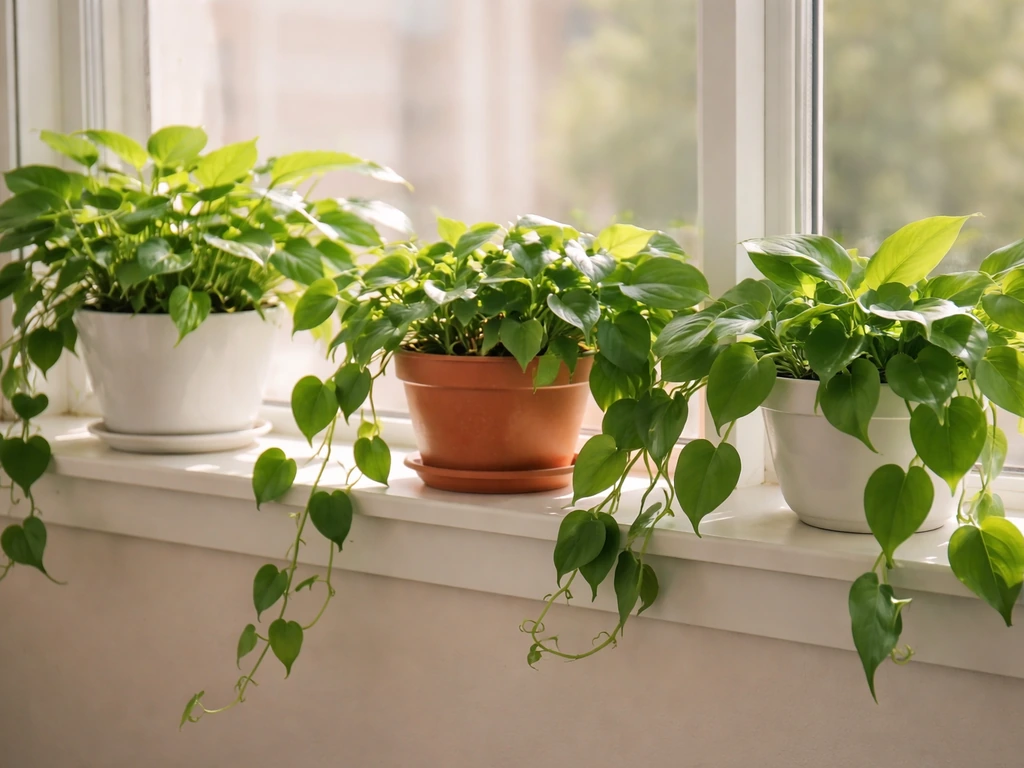
- Pothos, philodendrons, and heartleaf vines: thrive in low to medium light, perfect for east windows or interior spots near a bright window
- Snake plants (Sansevieria): one of the most light-flexible plants you can own; handles north windows well
- Peace lilies and ZZ plants: genuinely low-light tolerant and among the best choices for dim spaces
- Spider plants and cast iron plants: reliable medium-light performers for east or west windows
- Ferns (Boston fern, maidenhair): east-facing windows with indirect light work well; they don't want harsh direct sun anyway
- Herbs like mint and chives: manageable on a bright east or west windowsill with supplemental light in winter
- Most tropical foliage plants (calatheas, dracaenas, Chinese evergreens): adapted to low forest-floor light and work well indoors
Plants that realistically need grow lights indoors
- Tomatoes, peppers, and cucumbers: need 500–700+ µmol/m²/s PPFD; no standard window gets close enough for fruiting
- Basil and most culinary herbs (for productive harvests): survive on a windowsill but thrive under grow lights
- Succulents and cacti: often stretch (etiolate) on windowsills because they're used to intense direct sun all day
- Orchids (Phalaenopsis can manage a window; Cattleyas and dendrobiums often need more)
- Strawberries, lettuce, and microgreens grown for yield: better results under dedicated lighting
- Seedlings for transplanting outdoors: a window rarely provides enough intensity or duration for strong, compact starts
The University of Minnesota Extension categorizes houseplants usefully here: low-light plants are those suited for a north window or a fairly dark corner, while medium-light plants do best near an east-facing window or set back from a west-facing one. Use that framing to shop smarter and avoid setting yourself up for a frustrating failure.
When and how to add LED grow lights
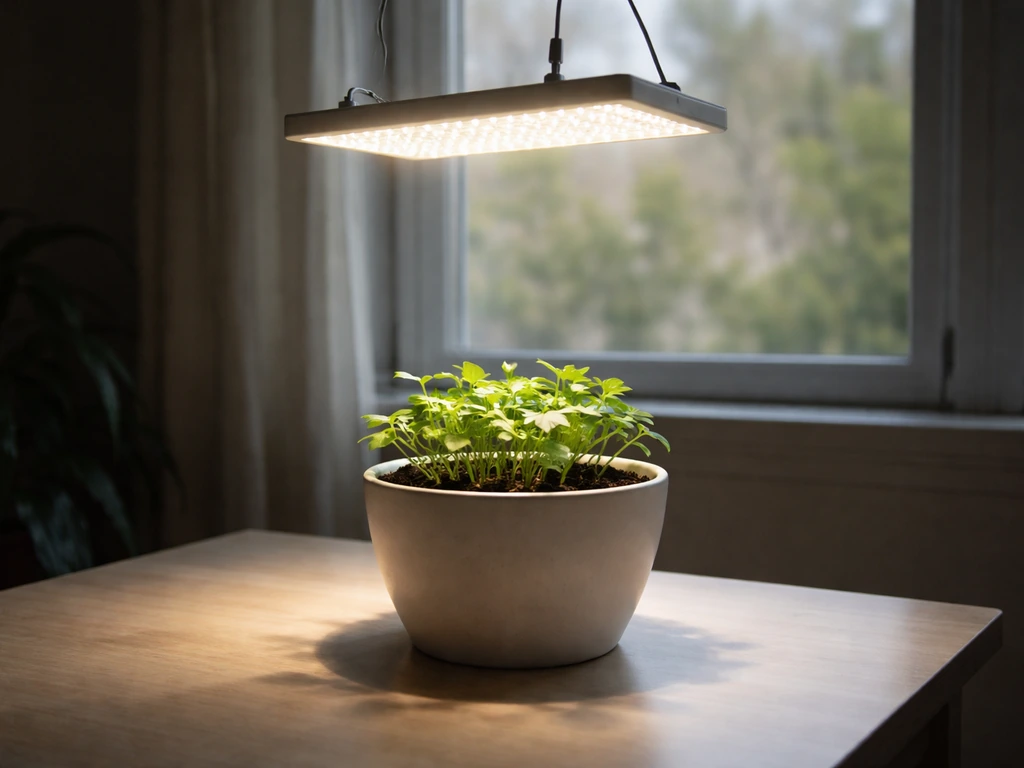
You don't always need grow lights, but when you do, modern LED panels have made it easier and cheaper than it used to be. The right time to add them is when your window light is genuinely insufficient: think winter months when days are short, north-facing apartments with no direct sun, or any time you're trying to grow fruiting or seeding plants indoors.
For supplementing a window setup, a mid-range LED panel rated at 200–400 µmol/m²/s PPFD at the plant canopy is a reasonable starting point for herbs and leafy greens. Fruiting plants want closer to 500–700 µmol/m²/s from the light source at canopy level. Most affordable LED grow panels list their PPFD at a specific hanging distance (often 18–24 inches), so use that number to guide placement.
- Position the light 12–24 inches above the plant canopy to start, then adjust based on how the plant responds over 1–2 weeks.
- Run the light for 12–16 hours per day for most herbs and vegetables, 10–12 hours for houseplants and low-light species.
- Use a cheap outlet timer so you're not relying on remembering to switch lights on and off. Consistency matters more than perfection.
- If supplementing a window (not replacing it), run the grow light during early morning and late afternoon hours to extend the photoperiod rather than overlapping with peak sun hours.
- Check for heat: LEDs run cool compared to older HID lights, but buds placed too close to any light can still show bleaching or tip burn.
- Reflective surfaces behind and beside the plant (white walls, mylar, foam board) amplify your grow light's reach without spending more money.
If you're growing in a room without windows at all, grow lights stop being a supplement and become the entire light source, which is a different sizing conversation. That scenario is worth treating as its own setup rather than a window-supplement situation.
Troubleshooting: slow growth, leggy plants, and pale leaves
These are the three most common signs your plant isn't getting enough light through the window, and they each point to a slightly different problem.
Leggy, stretching stems
When a plant extends long, weak stems toward the light source with wide spacing between leaves, it's etiolating: spending energy reaching for more light rather than growing compact and strong. This is especially common after winter when day length drops and light angles change. The fix is to move the plant closer to the window (as close as possible without touching cold glass in winter) or add a grow light. Pruning the leggy growth back will also encourage more compact regrowth once the light situation improves.
Pale green, yellow, or washed-out leaves
Pale or yellowing leaves that aren't explained by overwatering or nutrient deficiency are often a chlorophyll problem: plants don't produce enough chlorophyll when light is lacking, so leaves lose their rich green color. If your plant looks washed out and you've ruled out watering and fertilizer issues, light is the most likely culprit. Move it to a brighter window or add supplemental lighting and give it 2–4 weeks to respond before concluding it's something else.
Slow or stalled growth and no flowering
If a plant that should be actively growing just sits there month after month, or a flowering plant refuses to bloom, inadequate light is almost always part of the story. Growth requires energy, and energy comes from photosynthesis. A plant that's only getting enough light to survive will prioritize survival over new leaves or flowers. Check your window's actual light output by using a free smartphone lux meter app (imperfect but directionally useful), then decide whether you need a brighter window spot or supplemental lighting.
Quick diagnostic checklist
- Is the plant more than 3 feet from the window? Move it closer first before adding equipment.
- Does the window face north or get blocked by buildings or trees? Consider whether the window is genuinely viable for that plant species.
- Is the glass tinted, filmed, or covered by curtains during daylight? Remove any barrier you can.
- Is the glass dirty? Clean it and reassess.
- Are you in winter with short days? Add a grow light on a timer to extend the photoperiod.
- Has the plant been in the same spot for more than 3 months without improvement? It probably needs either a different window or grow light supplementation.
The good news is that most window-light problems are fixable without major expense. Moving a plant a foot closer to a south-facing window, cleaning the glass, pulling back curtains, and propping up a piece of white foam board can collectively double or triple the light a plant receives. Start with those adjustments before investing in equipment. When you do need grow lights, even a modest LED panel in the $40–80 range can make a dramatic difference for herbs, seedlings, and low-to-medium light plants. The goal isn't perfection. It's finding the setup where your specific plants in your specific space can actually thrive.
FAQ
Can plants still grow with sunlight through glass on cloudy or rainy days?
Yes, but only if the sun beam is actually reaching the leaves. Through cloudy weather, PPFD often drops enough that light-demanding plants may stall, and that can look like “it’s growing but slowly” rather than a clear failure. If your plant is near the window, watch for seasonal changes in leaf color and stem stretch (etiolation).
How accurate are lux meter apps for figuring out whether a window has enough light?
You can, but it is usually a troubleshooting shortcut, not a complete solution. A smartphone lux app can help you compare spots in the same room, but lux depends on human vision, not plant PPFD, so treat results as directional. The practical way is to use the app to rank placements, then adjust distance from the glass and confirm by leaf color and growth rate over 2 to 4 weeks.
What should I change first if my plant is stretching toward the window?
If the window is very bright but the plant is far from the glass, it may still be too dim because intensity falls quickly with distance. As a rule of thumb from the article’s intensity drop explanation, moving a plant closer (even a foot closer can matter a lot) often beats adding effort elsewhere, like swapping curtains or rotating the plant.
Will privacy window film or UV-blocking film reduce how well plants grow?
Be cautious with tinted or privacy films. Even if the outside looks bright, many films reduce the PAR that plants need and can shift how much direct sun reaches the canopy. If you must keep the film, plan to move plants closer to the window and consider supplemental LED light for consistent growth.
Do reflective surfaces like white boards really help with plants by increasing sunlight through glass?
Yes, but the benefit depends on reflected intensity actually reaching the plant leaves. White foam board or reflective surfaces can increase usable light, but you only get the gain if the plant is oriented so the bounce goes toward it (not behind the plant). Also, avoid letting reflective surfaces overheat the plant in summer near hot glass.
If my plant grows slower through glass, should I change watering or fertilizing?
For many leafy herbs and shade-tolerant ornamentals, tap water is fine, but low light can change how the plant uses nutrients and water. If a plant gets less light than it needs, it often grows slower and consumes less, so overwatering and fertilizer buildup become more likely. When you increase light, reduce watering slightly at first and observe new growth before changing nutrients.
Does glass block the “right colors” of light for photosynthesis, like red and blue?
Most of the time, no. Standard red and blue light needs are mostly met by window light because window glass passes the 400 to 700 nm range used for photosynthesis. The bigger issue is usually intensity (PPFD) and duration (hours of usable light), not missing color.
Can plants get sunburn or leaf scorch from sunlight through windows?
Direct sun through glass can be intense enough to cause leaf scorch in some setups, especially in summer when the sun angle is higher and glass can magnify heat. Watch for crispy brown patches on the sun-facing side and then shift the plant slightly farther back or add a sheer curtain during peak hours if that happens.
If my plant is labeled low-light, can it still thrive through a window without direct sun?
Not necessarily. Some plants that are labeled “low light” still do better with a brighter window than they appear to need, and “no direct sun” labels can lead people to place them too far from the glass. The practical approach is to match placement to the plant’s light category and adjust based on symptoms like leaf paling or long weak stems.
Should I rotate my plants for even growth, or does rotation not solve low-light issues?
Rotating helps, but it does not fix insufficient light. If one side stretches, rotation can even out shape; however, if the overall PPFD is too low, the plant will still etíolate or keep pale leaves. Use rotation together with placement changes (closer to glass, cleaner glass, fewer obstructions) or supplemental lighting if symptoms persist after 2 to 4 weeks.