
An areca palm cannot grow in true darkness, and calling it a "low-light plant" is a stretch. It will survive for a while in dim conditions, but it needs at least moderate to bright indirect light to actually grow, push out new fronds, and stay healthy long-term. One r/plantclinic discussion about an indoor areca palm also warns that dark corners and insufficient light can lead to poor outcomes, and that moving the palm closer to more light near a window improves chances. The good news: if you have a decent window or a simple LED grow light, you can absolutely keep one thriving indoors without direct sun ever touching it.
Can Areca Palm Grow Without Sunlight? Indoor Light Guide
Marcus Hartley
7 May 2026
Areca palm light needs in plain English
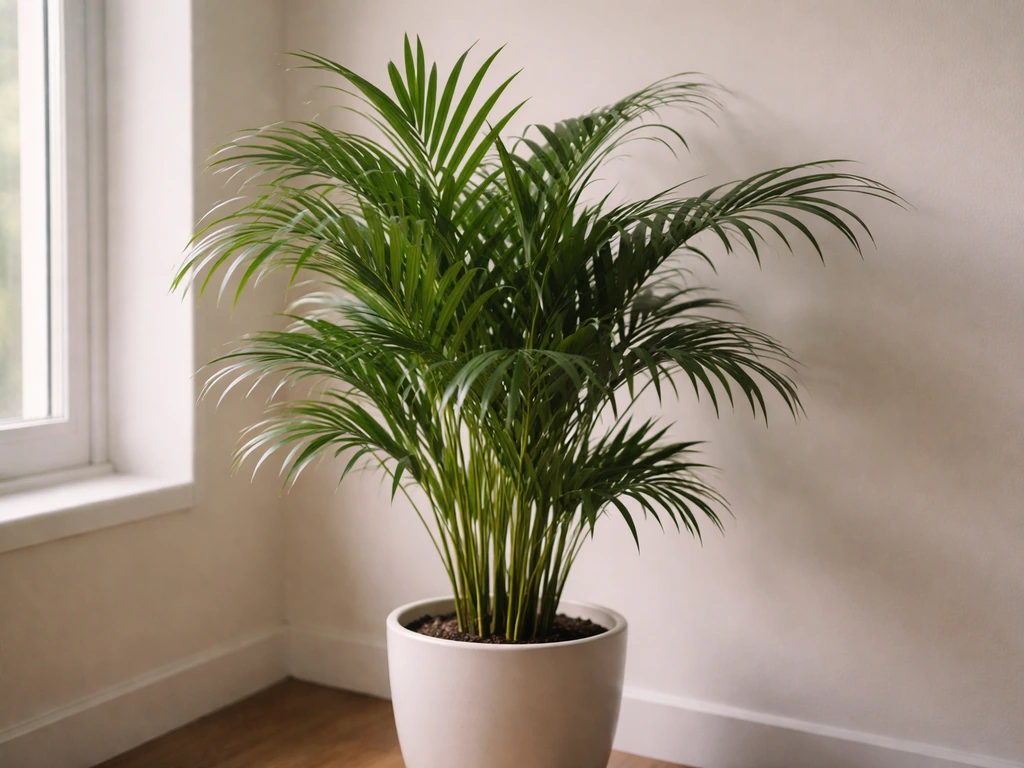
Dypsis lutescens is native to Madagascar, where it grows in warm, humid conditions with plenty of ambient brightness filtering through a forest canopy. That context matters because it tells you exactly what the plant expects: lots of light, just not harsh direct rays baking its leaves. Care guides across the board describe it as a "bright, indirect light" plant. One interiorscape spec sheet even puts a number on it: 175 or more foot-candles.
To put that in perspective, a typical dark corner indoors might measure 10 to 50 foot-candles, a north-facing windowsill sits around 100 to 200 foot-candles on a clear day, and a spot a few feet back from a south- or east-facing window can hit 300 to 500 foot-candles. So 175 foot-candles is the floor, not the ideal.
The reason light matters so much comes down to photosynthesis. Chlorophyll in the leaves absorbs light energy to convert CO2 and water into glucose, which is the fuel the plant uses to grow new roots, push out fronds, and maintain tissue. Without enough light, the plant can't produce enough glucose to do much more than stay alive. It's not dramatic; it's just slow starvation.
Can it survive vs. actually grow without sunlight?
This is the most honest question to ask yourself before committing to an areca palm in a dark space. There's a real difference between "surviving" and "growing," and areca palms in very low light will do the former while skipping the latter entirely. If you're wondering whether this idea applies beyond palms, you may also be asking can trees grow without sunlight.
In genuinely low light (think a room with one small north-facing window and no supplemental lighting), an areca palm will likely hold its existing fronds for months, maybe even a year, before things start going downhill. You won't see new growth. The fronds that are already there will slowly yellow, and the plant will gradually weaken. Wikipedia notes that Chrysalidocarpus lutescens (areca palm) will struggle if it is [placed in the path of direct sun](https://en.
wikipedia. org/wiki/Chrysalidocarpus_lutescens), which can cause scorching and yellowing. It isn't dead, but it isn't really alive in the way a growing plant should be. In true darkness, like a room with no windows and no artificial light, the timeline to decline shortens to weeks.
If you are trying to grow without sunlight, you will usually need an artificial light source to replace the missing energy for photosynthesis In true darkness, like a room with no windows and no artificial light. No plant can photosynthesize without any light source.
Active, healthy growth, meaning new fronds unfurling, stems filling out, roots developing, only happens when light levels consistently hit that 175-plus foot-candle threshold. Above 300 foot-candles with the right humidity and warmth, you'll see real progress every few weeks during the growing season.
What "no sunlight" actually means indoors
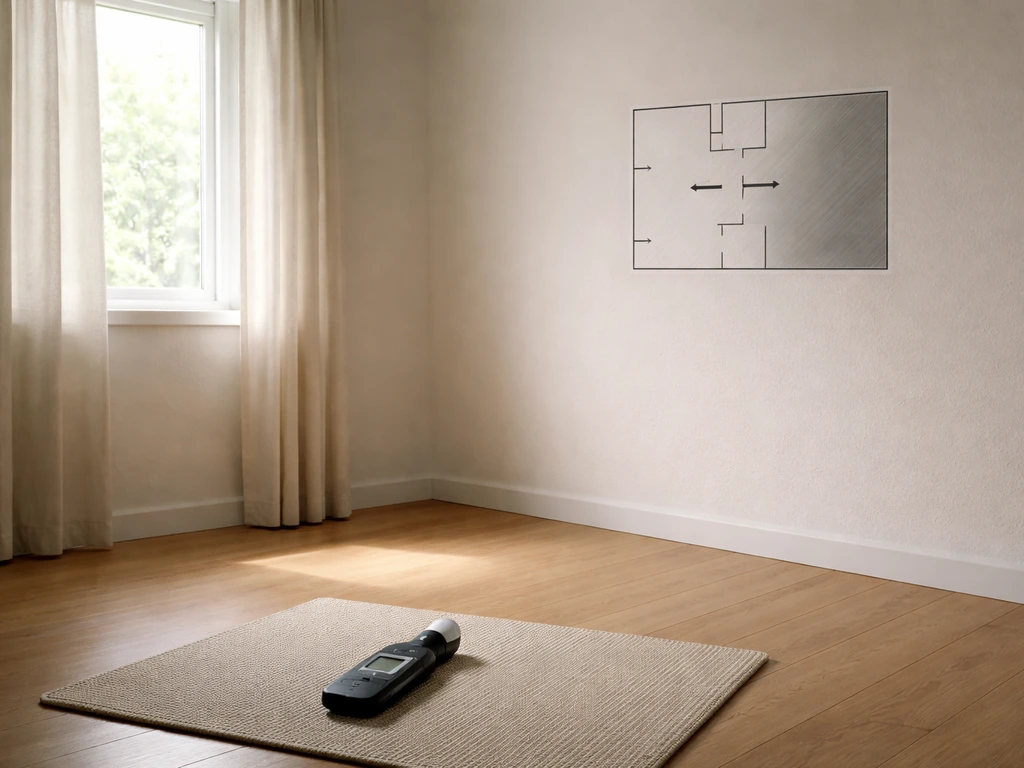
When people say their space has "no sunlight," they usually mean one of a few different things, and it's worth being specific because the solution changes depending on which situation you're actually in.
| Situation | Approximate foot-candles | What it means for areca palm |
|---|---|---|
| North-facing window, clear day | 100–200 fc | Borderline survival; slow or no growth |
| Room interior, 10+ ft from any window | 20–80 fc | Decline over time; not viable long-term |
| Windowless room, standard overhead bulbs | 10–40 fc | Will not survive more than a few months |
| True darkness (no light source) | 0 fc | Rapid decline within weeks |
Most "no sunlight" indoor spaces are actually low-light spaces, not truly dark ones. If you're also wondering what flowers can grow without direct sunlight, it helps to look for shade-tolerant varieties and understand whether your space is truly zero-light or just low-light. That's an important distinction because it means a strategic window placement or a modest grow light setup can close the gap. True zero-light rooms are a different story entirely, and no amount of creative positioning will fix that without supplemental lighting.
Best window placement and reflective setups
Before spending anything on grow lights, make the most of whatever natural or ambient light you have. Even diffuse light through a sheer curtain in an east- or west-facing room can support an areca palm if you position the plant correctly.
- East-facing window: This is close to ideal for an areca palm. Morning light is gentle and indirect, and foot-candle levels during those hours often hit 300 to 500 in a clear-sky setting. Place the palm within 3 to 5 feet of the window.
- West-facing window: Similar to east, but afternoon light can be more intense. Keep the palm back a foot or two further, or use a sheer curtain to diffuse the light if leaves show signs of sun stress (bleaching or browning tips).
- South-facing window: High light potential, but direct sun through a south window can scorch an areca's fronds. Pull the plant back 4 to 6 feet or diffuse with a sheer curtain. The ambient brightness in a south-facing room is genuinely good for areca palms.
- North-facing window: The hardest case. You can keep an areca palm here, but expect slow or stalled growth. Supplement with a grow light if you want real results.
- Reflective surfaces: Placing a large mirror, white wall, or metallic panel on the opposite side of the plant from the window can meaningfully bounce light back onto the plant. It won't double your foot-candles, but a well-placed mirror can add 20 to 40 percent more usable light to the shaded side of a plant.
Using LED grow lights to make up the difference
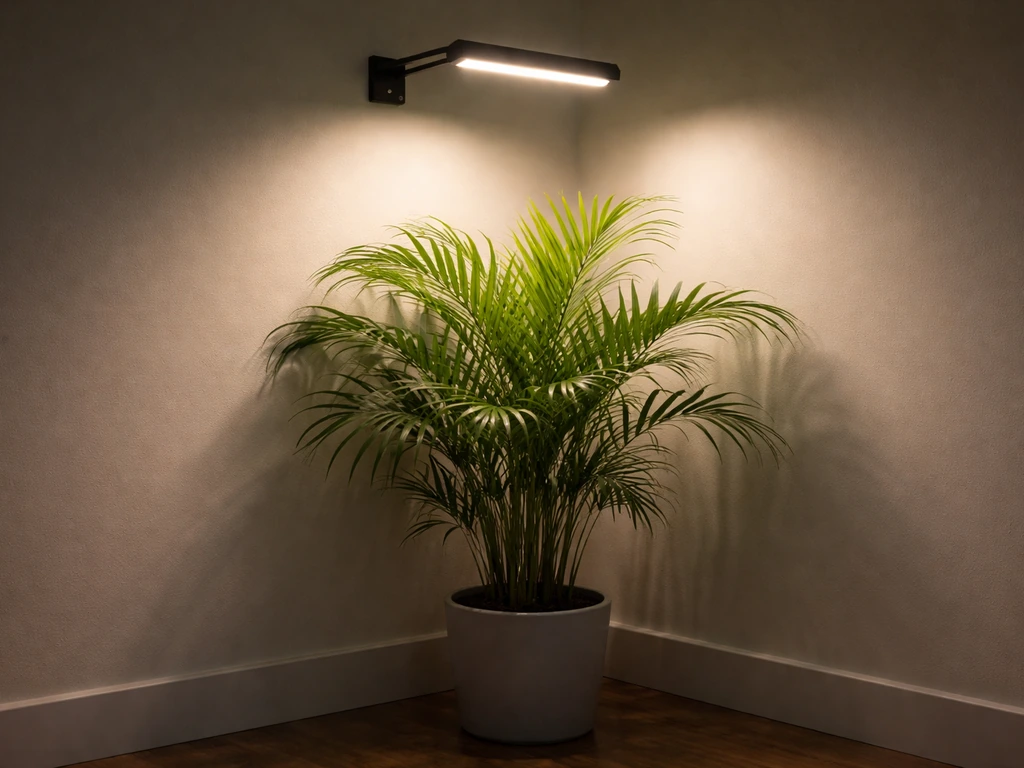
LED grow lights are the most practical solution for low-light rooms, windowless spaces, or any situation where natural light just isn't cutting it. They've come down dramatically in price over the past few years, and a decent panel doesn't have to cost a lot to make a real difference for a plant like an areca palm.
What kind of LED to look for
For an areca palm, you want a full-spectrum LED grow light, meaning it outputs light across the full visible spectrum including the red and blue wavelengths chlorophyll uses most. Look for a panel rated at least 30 to 45 watts of actual draw (not "equivalent" watts, which is a marketing figure). Brands commonly available in 2026 like Spider Farmer, Mars Hydro, and even affordable Amazon options in the SF-1000 class work well for a single medium-to-large palm. You don't need the most powerful grow light on the market; you need consistent, adequate output over the plant's canopy.
Distance and timer setup
Distance from the light source matters enormously. Light intensity drops off quickly with distance, following an inverse square relationship: double the distance, and you get roughly one quarter the intensity. For a mid-range LED panel over an areca palm, a practical starting point is 18 to 24 inches above the top of the canopy. If you see the tips of new fronds bleaching or curling, move the light up. If growth stalls and fronds look pale, bring it a bit closer.
For the timer: areca palms don't need extremely long photoperiods, but they do need consistency. Set your timer for 12 to 14 hours of light per day. This mimics tropical day length and gives the plant enough photosynthesis time without risking light stress. Anything less than 10 hours and growth will be noticeably slower. Using an inexpensive plug-in outlet timer means you never have to think about it once it's set.
How LED compares to fluorescent and other options
| Light type | Efficiency | Heat output | Best for areca palm? | Cost |
|---|---|---|---|---|
| Full-spectrum LED panel | High | Low | Yes, best option | $$ |
| T5 fluorescent tubes | Moderate | Moderate | Workable, less ideal at distance | $ |
| Standard CFL bulbs | Low | Low-moderate | Only for very small plants, close range | $ |
| Incandescent bulbs | Very low | High | No, not useful for plant growth | $ |
| HID / HPS | High | Very high | Overkill and too hot for home use | $$$ |
T5 fluorescent tubes are a reasonable budget alternative to LED if you already have them or can get them cheaply. They work best when placed close to the plant (within 6 to 12 inches), which can be awkward for a large areca palm. LEDs win on efficiency, coverage, and flexibility for most home setups.
Signs your areca palm isn't getting enough light
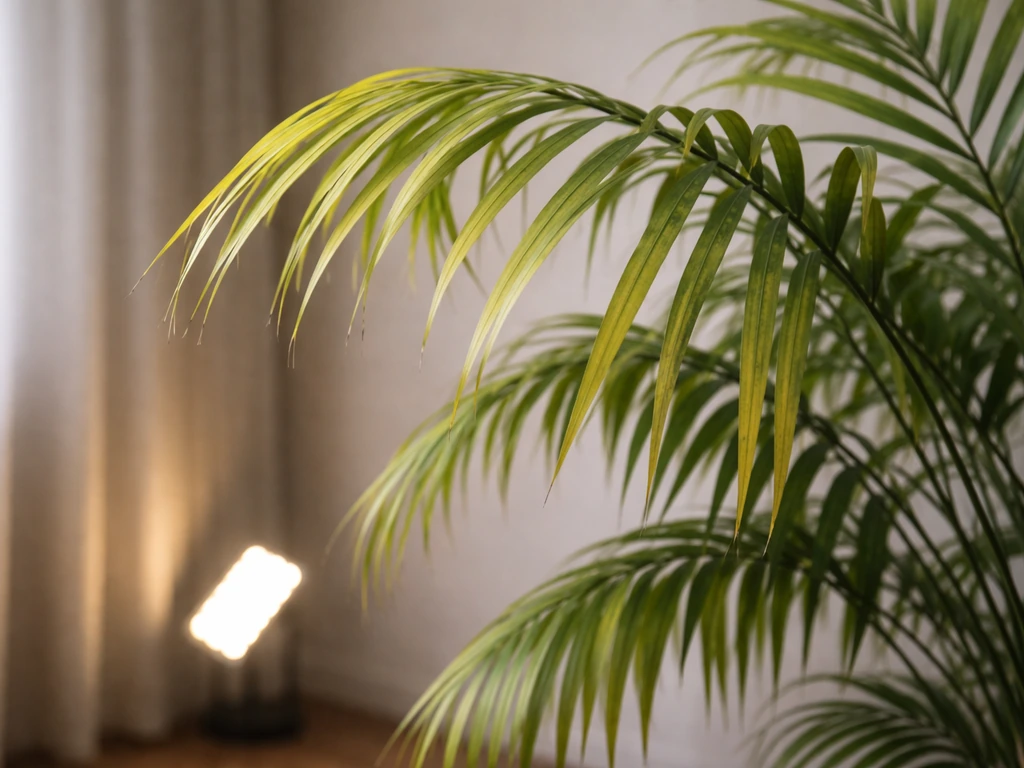
The plant will tell you when the light is wrong, though it does so slowly. Here's what to watch for and what to do about each signal.
- Pale or yellowing fronds (not from the tips, but overall lightening of the green): Classic low-light symptom. The plant is producing less chlorophyll because it doesn't have enough light to justify maintaining it. Move closer to a window or add a grow light.
- No new growth for months during spring or summer: Areca palms should push new fronds actively during warm months. If yours hasn't produced anything new by mid-spring, light is the first thing to check before blaming watering or fertilizer.
- Fronds bending or stretching toward the light source (etiolation): If your plant is leaning hard toward a window, it's telling you it's not getting enough from its current spot. Rotate the pot regularly and increase light intensity if possible.
- Lower fronds yellowing and dropping faster than normal: Some lower frond turnover is natural, but accelerated loss in low light means the plant is cannibalizing old growth because it can't sustain its full canopy.
- Soil staying wet much longer than usual: This one surprises people. A plant in low light uses less water because photosynthesis is slower. If you're watering on the same schedule you used in a brighter spot, you'll end up overwatering. Adjust your watering to the light, not the calendar.
Your plan starting today, and what to expect
Here's a practical way to think about your setup right now based on where you're starting.
- Assess your actual light first. Hold your hand about 12 inches above a white piece of paper near where you plan to keep the palm. A sharp shadow means reasonably good light (200+ fc). A faint shadow means low light (50 to 150 fc). No shadow at all means you need a grow light, full stop.
- If you have a window with at least a faint shadow reading, try positioning the palm as close to the window as possible without direct sun hitting the fronds. Add a reflective white board or mirror on the opposite side to bounce light back.
- If you're in a dark room or north-facing space with no shadow, order or set up a full-spectrum LED panel rated 30 to 45 watts actual draw. Hang it 18 to 24 inches above the canopy and set a timer for 12 to 14 hours per day.
- Stop watering on a fixed schedule. Check the soil and only water when the top 2 inches dry out. In low light, this might be every 10 to 14 days instead of weekly.
- Don't fertilize yet if the plant has been in low light. A stressed, low-light plant can't use fertilizer and the buildup will just damage roots. Wait until you see active new growth before feeding.
Realistic growth expectations over time
With a solid window setup or a good LED grow light hitting 175 or more foot-candles consistently, here's roughly what you can expect. ForemostCo’s Dypsis lutescens grower info sheet also lists target light levels of about 3000 to 4500 foot-candles for certain growth timing conditions [175 or more foot-candles consistently](https://www. foremostco. com/wp-content/uploads/2022/11/Dypsis-lutescens-Areca-Palm-CP72-GIS-ForemostCo.
pdf). In the first four to six weeks, you're just stabilizing the plant and letting it adjust to its new conditions. Don't panic if nothing dramatic happens. By weeks six to ten, if the light is adequate, you should see a new frond beginning to emerge (look for a tightly rolled shoot from the center of the plant).
Over a full growing season (spring through early fall), a well-lit areca palm indoors can push out three to five new fronds. Without adequate light, you'll be lucky to get one, and it will likely be pale and weak when it arrives.
It's also worth being honest with yourself: if your space genuinely cannot provide 150 or more foot-candles without a grow light, and you'd rather not set one up, an areca palm is probably not the right plant for that spot. There are other indoor plants that genuinely tolerate low light much better. If you’re trying to avoid light altogether, it helps to know what plants don’t need sunlight to grow what plants don't need sunlight to grow.
But if you're willing to put a simple LED setup in place, an areca palm is absolutely achievable indoors with no natural sunlight at all. I've kept one in a north-facing apartment bedroom using nothing but a full-spectrum LED panel and an outlet timer, and it's been pushing new fronds every few weeks through spring. It's not complicated; it just needs enough light, whatever the source.
FAQ
How can I tell if my “no sunlight” room is actually too dark for my areca palm to grow?
If the room is truly windowless and you do not run an artificial light long enough, an areca palm will usually stop producing new fronds first, then start yellowing older leaves later. To keep it growing, you need a consistent light source, and a timer is more important than brightness tweaks, because irregular on and off cycles slow the plant’s rhythm.
Can I keep an areca palm alive in a dim room if it is near a window but not in direct sun? What should I watch for?
Do not judge by the sun coming through, judge by how long the plant sits in bright indirect light. A practical check is to move the pot within a few feet of the brightest window or brighten the room surface lighting, then look for new frond emergence within 6 to 10 weeks under the same conditions.
Can areca palms grow with a regular indoor LED light instead of a grow light?
Yes, but use a full-spectrum LED and keep the distance reasonable. If you swap to a very weak “plant light” or a cool white bulb that is not designed for growth, you may get survival with slow decline instead of regular frond output.
If I use an LED, do I need full spectrum, or will single-color LEDs work?
Avoid using only a blue or only a red grow light. Areca palms benefit from the broader visible spectrum, especially when the goal is new fronds. If you’re using a single LED panel, match it to the canopy size and avoid pointing the light so low that it concentrates only on one side.
What should I do if my areca palm looks worse after adding a grow light?
If you see pale, bleached tips or curling frond tips, increase the distance or reduce time-on. If fronds stay green but growth stalls, lower the distance slightly or extend to the recommended daily photoperiod, then keep the setup stable for several weeks before changing again.
How sensitive is an areca palm to the distance from an LED grow light?
The inverse-square effect means small distance changes can matter a lot. If you move the light up or down by a few inches, recheck in 2 to 3 weeks, and keep the same target distance going forward so you can tell whether the change helped.
If I give enough light, why might my areca palm still not grow?
Yes. Temperature and humidity affect how fast the plant uses the energy it gains. In cooler rooms, it will grow slower even with adequate light, and very dry air can cause frond edge browning that looks like a light problem.
How often should I adjust the light setup when growing an areca palm indoors?
Try not to “chase” results by moving the plant every few days. When adjusting light, make one change at a time, keep it consistent for 4 to 6 weeks, and monitor whether a tightly rolled new frond appears from the center.
Should I rotate my areca palm toward the light, and does it affect growth in low light?
Frequent rotation helps even out leaf color and helps prevent one-sided leaning, but do it gradually, for example turning 10 to 20 degrees every 1 to 2 weeks. Sudden movement can temporarily stress the fronds and make it harder to judge whether the light level is correct.
What photoperiod is best when there is no sunlight, and can I leave the grow light on all day?
If you must run lights, use a timer and avoid leaving the light on for 18 to 24 hours. A common target is 12 to 14 hours per day, because longer schedules can add stress and still does not compensate for low intensity.
Is it ever realistic to keep an areca palm in a room where I refuse to use grow lights?
Yes, but plan for cost and space. If you cannot reliably provide around the mid-to-high brightness range without a light, it will likely remain in a survival mode. If that spot is truly low brightness and you refuse a grow light, consider switching to a genuinely low-light tolerant plant instead of an areca palm.