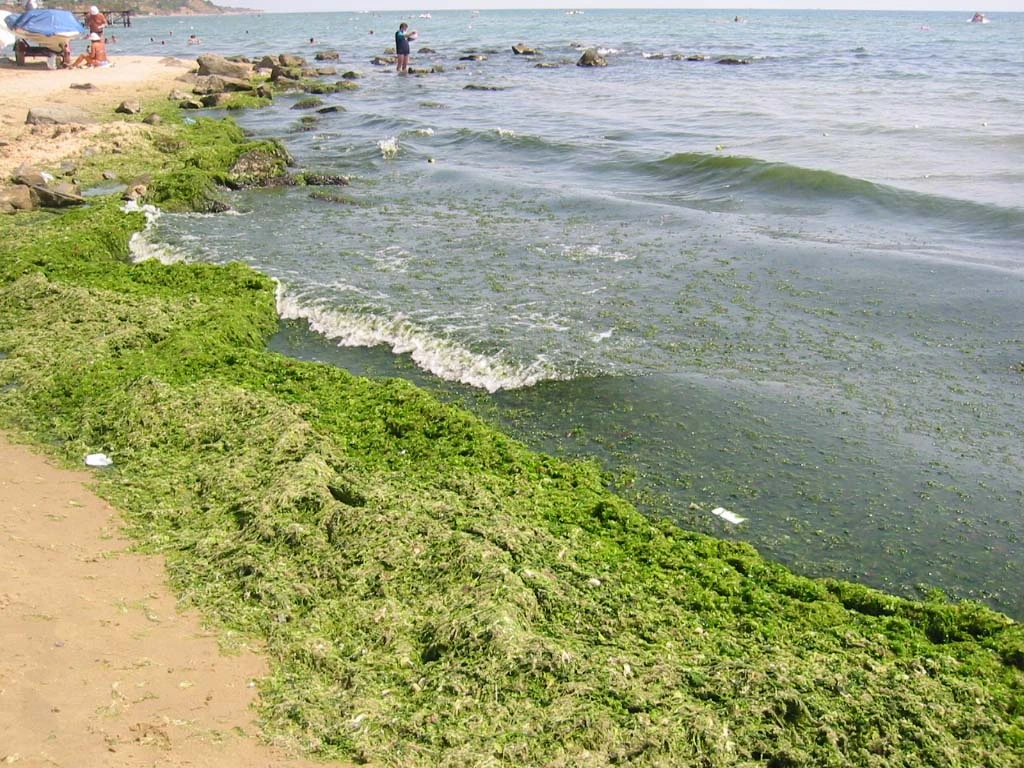
Short answer: algae needs light, but not necessarily sunlight
Algae will not grow without light. Full stop. But here is the thing most people get wrong: sunlight and light are not the same thing. Algae does not care whether its photons come from the sun, an LED strip, or a fluorescent tube above your fish tank. What it cares about is whether those photons land in the right part of the spectrum, mainly blue-violet and red wavelengths, and whether there is enough of them. So if you are asking whether algae can thrive in a windowless room under grow lights, the answer is yes, absolutely. And if you are asking whether cutting off all light will kill it, the answer is also yes, eventually. Everything else in this guide flows from that one fact.
What algae actually needs to grow
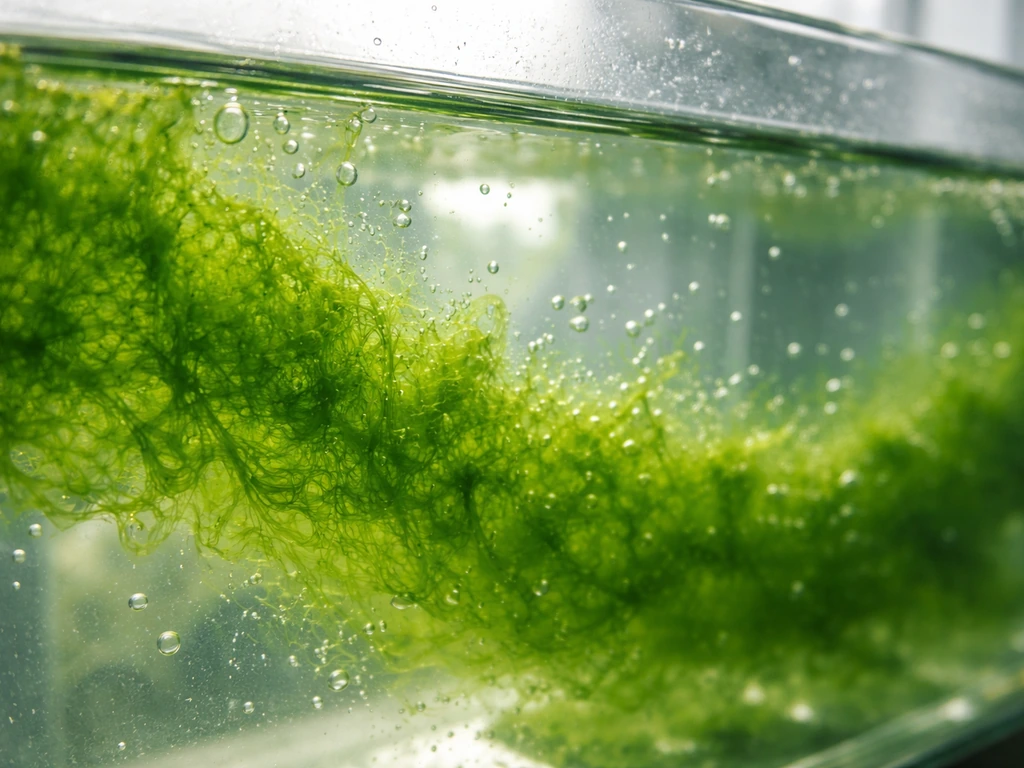
Algae is photosynthetic, which means it converts light energy into chemical energy to fuel its growth. The process starts with light-dependent reactions: photons hit photosynthetic pigments, primarily chlorophyll a, which absorb that energy and kick off a chain reaction that eventually produces the sugars algae uses to grow and reproduce. This is the same core process happening in your pothos or peace lily, just in a much simpler organism.
Chlorophyll absorbs light most strongly in the blue-violet range (around 430 to 450 nm) and the red range (around 640 to 680 nm). Green light gets reflected, which is why algae looks green. Accessory pigments like carotenoids and phycocyanins help fill in some of the gaps, which is why certain algae species can be brown, red, or golden, but the blue and red absorption peaks are where most of the photosynthetic action happens. This is directly relevant if you are choosing artificial lighting: a light source that hits those peaks well will grow algae far more efficiently than a warm white bulb with a skewed spectrum.
Beyond light, algae also needs inorganic carbon, usually as dissolved CO2, to complete photosynthesis. In water, CO2 dissolves into dissolved inorganic carbon (DIC) that algae can pull into its cells. If your culture or tank is sealed tight with no gas exchange, carbon limitation can slow growth even when lighting is perfect. Nutrients, especially nitrogen and phosphorus, also matter. But light is the gating factor. Without it, nothing else moves.
What happens in complete darkness
In total darkness, algae cannot photosynthesize, so it cannot build new biomass. It keeps respiring, burning through stored carbohydrates just to stay alive, and that means it is actually losing mass overnight. Research tracking night biomass loss in photosynthetic algae found decline rates ranging from about -0.006 to -0.59 per day depending on temperature, species, and the light conditions prior to the dark period. That range is wide, but the direction is consistent: darkness costs algae energy.
That said, algae is remarkably resilient in darkness. Some species can survive continuous dark conditions for anywhere from 7 days to several months before dying off, depending on the species and how much carbohydrate they had stored when the lights went out. Some microalgae can even synthesize chlorophyll in the dark, essentially staying ready to photosynthesize the moment light returns. So cutting off light slows algae dramatically and will eventually kill it, but do not expect it to disappear overnight. In a tank situation, you might need 3 to 7 days of complete blackout before you see a real impact.
Yes, algae grows great under artificial light
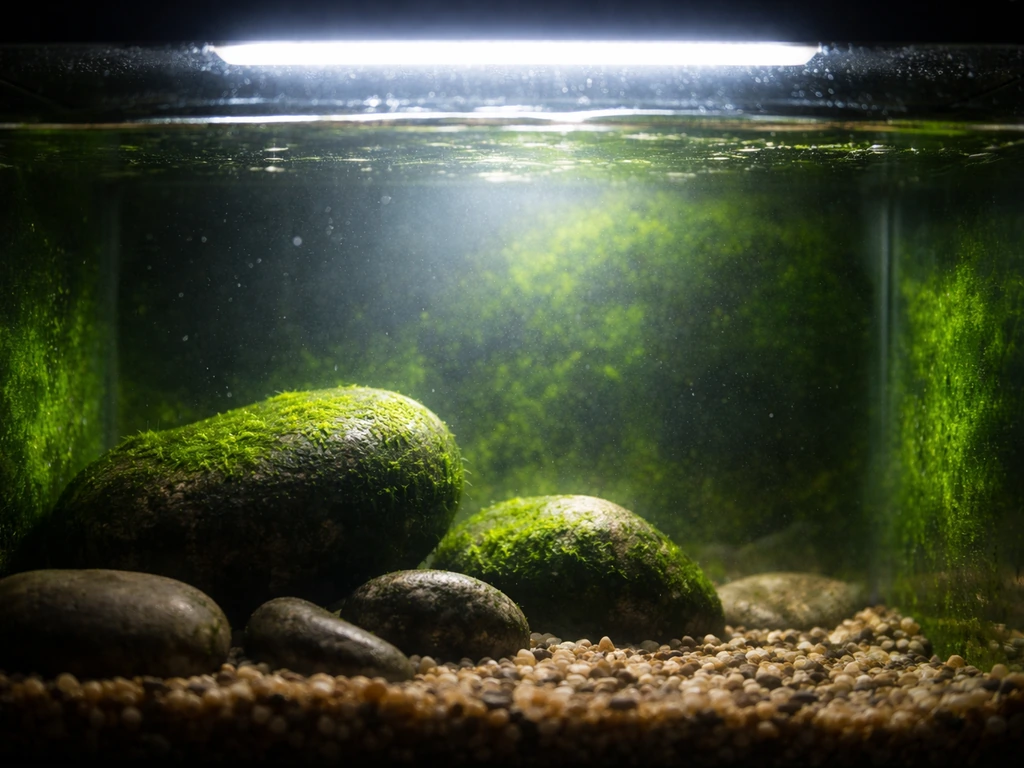
This is probably the most practically useful thing I can tell you: algae responds to artificial light almost identically to how it responds to sunlight, as long as the spectrum and intensity are adequate. LED grow lights and fluorescent bulbs both work. The question is which one works better for your setup.
| Light Type | Spectrum Coverage | Energy Efficiency | Heat Output | Best For |
|---|
| Full-spectrum LED | Excellent, tunable blue/red peaks | High | Low | Intentional algae culture, aquariums, controlled setups |
| Fluorescent (T5/T8) | Good, broad spectrum | Moderate | Moderate | Budget setups, smaller tanks, beginner grows |
| Warm white LED/incandescent | Weak in blue range | Low to moderate | Moderate to high | Not recommended for algae growth |
| Sunlight (reference) | Full spectrum, variable | Free | High (indirect) | Outdoor or window setups only |
In controlled studies comparing fluorescent (T8/T5) and white LED sources across PAR levels of 80, 150, and 300 micromoles of photons per square meter per second, both light types supported algae and macrophyte growth, with LEDs generally performing comparably or better at equivalent PAR levels. The intensity mattered as much as the source type. A low-output fluorescent at 80 PAR will underperform a quality LED at 150 PAR even if both claim similar wattage on the box.
If you want a specific product example, full-spectrum LED grow lights with adjustable intensity (like the Kessil H380, which goes from 10% to 100% output and covers UV, blue, and red blends) give you the most control. But honestly, a decent T5 fluorescent fixture in a shop-light housing works fine for casual algae cultivation in a tank or culture jar. Do not let gear obsession stop you from starting.
Setting up light for indoor algae growth
Duration: how long should the light be on?
A 12-hour light, 12-hour dark photoperiod is a solid starting point and is well-supported by research. One study found that a 12L:12D cycle at around 6,000 lux promoted strong microalgal growth. That is a moderate light level, roughly comparable to indirect natural light near a bright window. Going longer than 16 hours of light per day offers diminishing returns for most algae species and can actually stress some cultures. Start with 12 hours on and adjust from there based on what you observe.
Intensity: how bright is bright enough?
For microalgae cultures in water, you are looking at a PAR range of roughly 80 to 300 micromoles per square meter per second for meaningful growth. For casual aquarium algae or algae scrubbers, 6,000 to 10,000 lux is a practical target. Most clip-on LED aquarium lights or T5 fixtures in the 20 to 40 watt range hit that easily at close range (within 15 to 30 cm of the water surface). Distance matters a lot: light intensity drops off quickly with distance, so keep your fixture close.
Other conditions that affect growth
- Temperature: most common algae species grow well between 20 and 30 degrees Celsius; below 15 degrees, growth slows significantly
- CO2 and carbon availability: in a sealed culture vessel, CO2 can run out fast; gentle aeration or occasional mixing helps keep dissolved inorganic carbon available
- Nutrients: algae needs nitrogen and phosphorus; in a tank with fish or organic matter this is usually not a limiting factor, but a sterile culture jar may need a dilute nutrient solution
- Water clarity: murky water reduces how far light penetrates; if you are growing algae in a deep container, keep the culture shallow or stir it regularly
- pH: most freshwater algae thrives between pH 6.5 and 8.5; extreme pH slows growth even with perfect lighting
How to stop algae from growing indoors
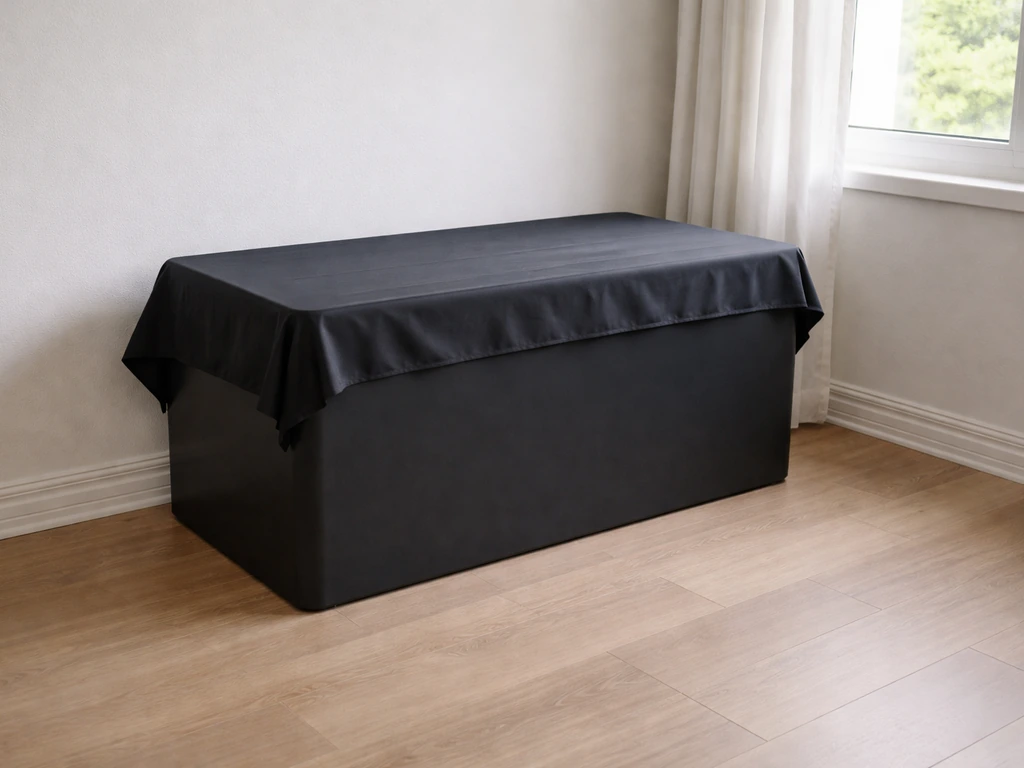
If you are on the other end of this question, trying to get rid of algae in an aquarium, a water reservoir, or a planter, light control is your most powerful tool. Algae cannot survive without light, so reducing or eliminating it hits the root of the problem. Here is a practical approach:
- Do a full blackout first: cover the tank or container completely for 3 to 7 days. Use cardboard, dark fabric, or black plastic. No light at all. This dramatically weakens algae, though it may not fully eliminate it in one round.
- Reduce daily light duration: if you have been running lights for 14 or 16 hours, cut to 8 hours. Many algae problems in home aquariums come from lights being on too long.
- Cut nutrient input: algae thrives on excess nitrogen and phosphorus. Reduce feeding in fish tanks, do not over-fertilize indoor water gardens, and change water more frequently to dilute nutrient buildup.
- Block ambient light sources: a tank near a window picks up free daylight even when the tank light is off. Ambient sunlight adds hours of effective light that your timer cannot control.
- Physically remove what you can: scrape off visible algae before doing a blackout so the remaining population is smaller and the die-off is faster.
- Reassess your light placement and spectrum: some lights with strong blue output can accidentally favor algae over your desired plants. Shifting to a light with more red can sometimes tip the balance.
One thing I have noticed in my own aquarium over the years: people often fix the light duration but ignore the ambient window light, then wonder why algae comes back. If your tank is anywhere within a few feet of a south or west-facing window, that counts as extra light hours. A simple blackout curtain or repositioning the tank can make a bigger difference than any chemical treatment.
Practical next steps based on your situation
If you want to grow algae indoors without sunlight, the path is straightforward: get a full-spectrum LED or a decent fluorescent fixture, aim for at least 6,000 lux at the culture surface, run it on a 12-hour timer, make sure your water has some dissolved CO2 and basic nutrients, and keep temperatures in the 20 to 28 degree Celsius range. If you are asking the broader question about what crops can grow without sunlight, start by looking for crops that rely on controlled light in indoor systems. You do not need expensive gear. A T5 shop light and a basic timer will get you there.
If you are trying to stop algae, start by cutting light hours to 8 per day and doing a 5-day blackout, then address nutrients. The Environmental Literacy Council notes that aquarium blackouts work by blocking all light for a set period and that around up to seven days is sometimes used for stubborn algae, with cautions about risks to plants or livestock a 5-day blackout. That combination handles the majority of indoor algae problems without any chemicals at all.
And if you are broadly exploring what plants or organisms can thrive in low-light or no-sunlight indoor conditions, algae is actually one of the easier things to manage once you understand the light lever. If you are also wondering about "what flowers can grow without direct sunlight," the key comparison is the same as for algae: you still need enough light energy, just not necessarily direct sun. If you are wondering whether a can areca palm grow without sunlight, remember it still needs enough light energy even if sunlight is blocked. If you are looking specifically for plants that can grow indoors without sunlight, you will want to match their light needs to the right spectrum and intensity low-light or no-sunlight indoor conditions. Plants that do not need sunlight to grow still require some light, so you will want to match their low-light needs to the right spectrum and intensity plants that can grow indoors without sunlight. The same principles around spectrum, intensity, and photoperiod apply to low-light houseplants too, just with different target numbers. Understanding what algae needs makes the broader world of indoor growing a lot easier to navigate.