
Mung beans can absolutely grow without direct sunlight, and in most cases they do just fine under artificial light or even in low-light indoor conditions, depending on what stage of growth you're after. If you're sprouting them to eat in a few days, you actually want darkness. If you're growing them into full bean shoots or leafy plants, you'll need a decent light source, but a basic LED or fluorescent grow light does the job well. The key is understanding what stage you're growing for, because the light requirements shift dramatically between sprouting and plant growth.
Can Mung Beans Grow Without Sunlight? Indoor Guide
Marcus Hartley
24 May 2026
Do mung beans need light at all to grow
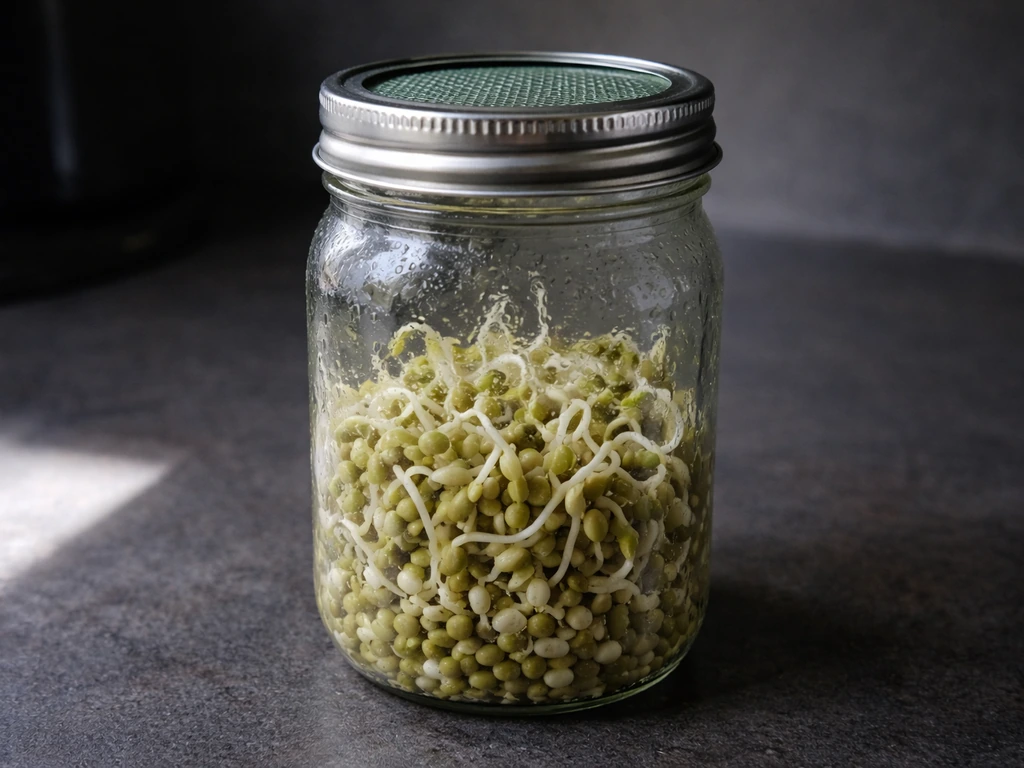
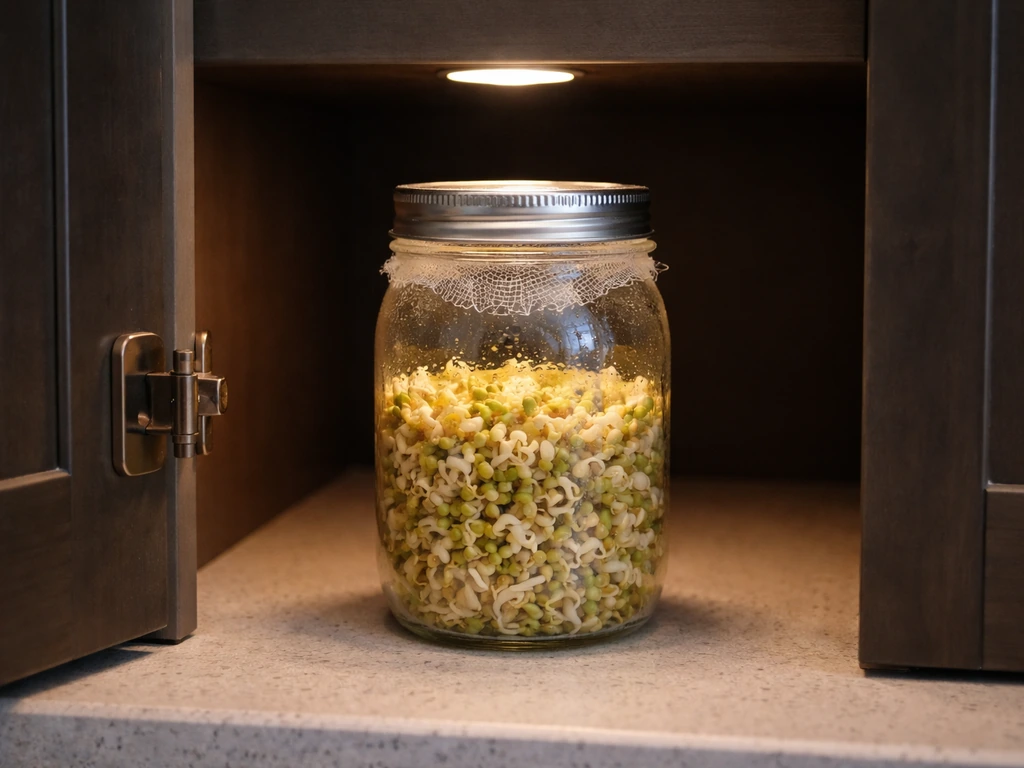
For sprouting, no, light is not required. Mung bean seeds germinate in the dark without any issue. Research comparing mung bean germination under different light wavelengths (red, blue, green, white) against a no-light control group found that radicle (root) growth still occurred in complete darkness. Germination is driven by moisture, warmth, and oxygen, not light. In fact, most traditional sprouting methods call for darkness to keep the sprouts tender and pale, which is exactly what you want if you're eating them in salads or stir-fries.
For growing mung beans beyond the sprout stage, light becomes essential. Once seedlings emerge and start developing true leaves, photosynthesis needs to kick in. Without adequate light, mung bean seedlings go into what plant scientists call etiolation: they stretch out, turn pale or yellowish, and become weak-stemmed. Studies on etiolated mung bean seedlings show clear biochemical differences compared to light-grown plants, including a reduced carotenoid profile and underdeveloped chloroplasts. In plain terms: no light means no green, no sturdy plant, and eventually no viable growth.
What "no sunlight" means: windowsill vs low light vs indoor darkness
When people ask if mung beans can grow without sunlight, they usually mean one of three very different situations, and the answer is different for each one.
| Situation | What it actually means | Will mung beans grow? |
|---|---|---|
| True darkness | No windows, no lamps, closet or cabinet | Yes for sprouting only; seedlings will etiolate and fail |
| Low light / windowsill | Bright indirect light, north-facing window, or a few feet from a window | Sprouts: fine. Seedlings: will stretch and weaken without supplemental light |
| Artificial light only | LED grow light, fluorescent, or standard bulb with no sunlight | Yes, fully, if the light is bright enough and on long enough |
A north-facing windowsill in winter, or a spot several feet from a window, is not enough light for growing mung bean shoots into sturdy plants. University of Maryland Extension is direct about this: natural window light is rarely sufficient for seedlings, and stems will stretch and lean toward whatever light source is available. A south-facing window in summer is closer, but even then, intensity is inconsistent. If you want reliable results indoors, artificial light is the better bet, not because sunlight is bad, but because it's harder to control.
Best artificial lighting options for mung beans (LED vs fluorescent vs regular bulbs)
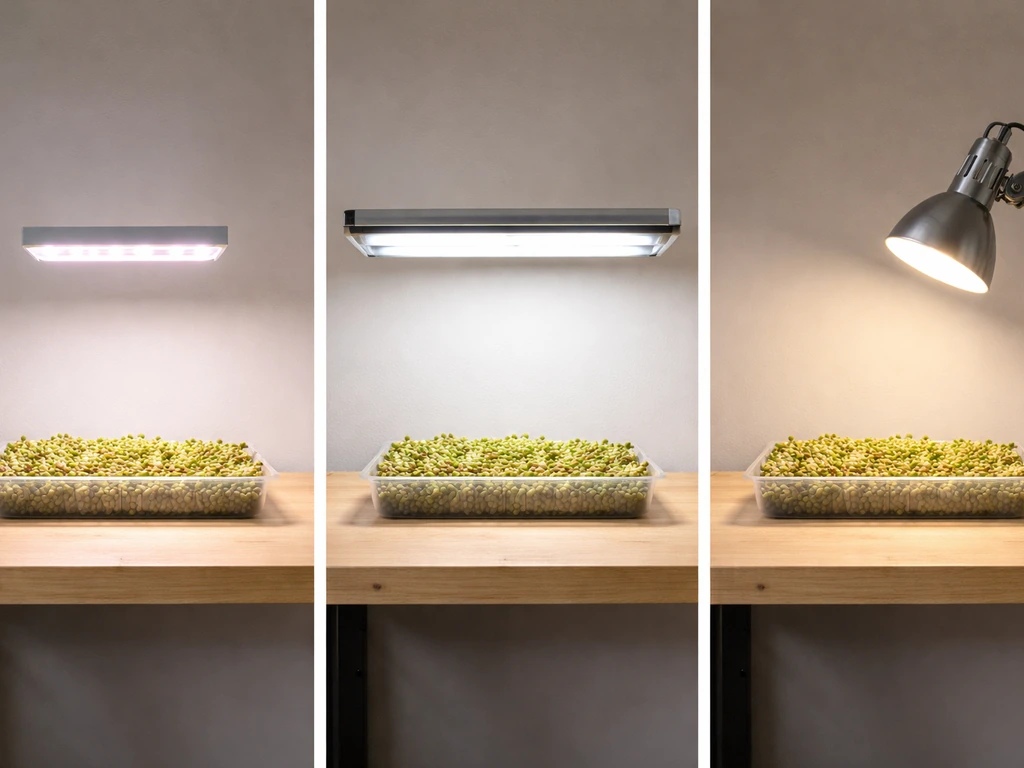
You have three realistic options for growing mung beans indoors under artificial light: LED grow lights, fluorescent lights (especially T5 tubes), and standard household bulbs. Here's how they compare honestly.
| Light type | Best for | Pros | Cons |
|---|---|---|---|
| LED grow lights | Bean shoots and full seedling growth | Energy efficient, low heat, full spectrum available, long lifespan | Higher upfront cost, quality varies widely |
| Fluorescent T5 tubes | Sprouts transitioning to seedlings, budget setups | Proven for seedling growth, good light spread, widely available | Bulkier, less energy efficient than LED, shorter lifespan |
| Standard household bulbs (incandescent/CFL) | Short-term sprouting transitions only | Cheap and already in your home | Insufficient intensity for sustained seedling growth, incandescents produce too much heat |
For most indoor setups, a full-spectrum LED grow light is the best all-around choice. When shopping, look for lights labeled full-spectrum with a high color rendering index (CRI of 90 or above) and a correlated color temperature (CCT) of around 5000 to 6500K, which mimics daylight. Fluorescent T5 grow lights are a solid, well-proven alternative, especially if you already have a fixture from previous seed starting. What you want to avoid is relying on a standard incandescent bulb: they don't produce enough usable light for plants, and they run hot enough to stress or even burn seedlings if placed too close.
University of Minnesota Extension puts it plainly: it's better to use fluorescent or LED lights than to rely solely on natural light for good seedling growth. That applies directly to mung beans grown past the sprout stage.
How much light and how long: practical daily schedule and placement tips
For mung bean seedlings and bean shoots, aim for 12 to 16 hours of light per day. UMass Amherst Extension recommends this range for fluorescent grow lights, and it translates equally well to LED setups. A simple plug-in timer takes all the guesswork out of this, and it's one of the cheapest investments you can make for consistent results.
Placement matters just as much as duration. For fluorescent tubes, keep them 6 to 12 inches above the tops of your plants. For LED panels, follow the manufacturer's recommendation, but a general starting point is 12 to 18 inches above the canopy for standard grow panels. As the plants grow, raise the light to maintain that distance. UNH Extension recommends 18 hours per day for seed starting under fluorescent lights, which is on the higher end but works well if your plants are in a low-ambient-light room with no window contribution at all.
- Run lights 14 to 16 hours per day as a reliable default for mung bean shoots
- Place fluorescent T5s 6 to 12 inches above the plant tops
- Place LED grow panels 12 to 18 inches above the canopy (adjust based on manufacturer specs)
- Use a timer so you don't have to remember to turn lights on and off
- Check the temperature at canopy level with a small thermometer: target 65 to 70°F during the day, 55 to 60°F at night
- If plants lean toward the light, the source is too far away or too weak, not too close
Sprouting vs growing: different stages, different light needs
This is probably the most important distinction in the whole article, and it's where a lot of confusion comes from. Mung beans have two common indoor uses: sprouting (eating the germinated seeds after 3 to 5 days) and growing into bean shoots or full leafy plants. The light requirements are almost opposite.
For sprouting, keep them in the dark. Traditional sprouting jars or trays are rinsed with water twice a day and stored away from direct light. Darkness keeps the sprouts crisp, pale, and tender, which is exactly what you want for eating. Studies on mung bean sprout morphology confirm that light and dark conditions produce measurably different epicotyl and hypocotyl growth, and for kitchen sprouts, the dark-grown profile is desirable.
For bean shoots (the longer, leafier form you see in Asian cooking and at farmer's markets) or for growing mung bean plants to maturity, you need to introduce light once the seed has germinated and the shoot is emerging. This is typically around day 4 to 7 depending on temperature. At this point, move them under your grow light and treat them like any other seedling. Oklahoma State University Extension advises moving seedlings under appropriate plant lights right after germination to prevent prolonged etiolation, and the same logic applies here.
| Goal | Light needed | Duration | Setup |
|---|---|---|---|
| Kitchen sprouts (3–5 days) | Darkness or very low ambient light | Short cycle, harvest before true leaves develop | Sprouting jar, colander, or tray in a cupboard |
| Bean shoots (1–2 weeks) | Full-spectrum artificial light introduced around day 5–7 | 12–16 hrs/day once light is introduced | Shallow tray under LED or T5 fluorescent |
| Full mung bean plant | Strong artificial light or sunny window (south-facing) | 14–16 hrs/day minimum | Container under grow light, raised as plant grows |
Troubleshooting leggy, pale, or slow mung beans
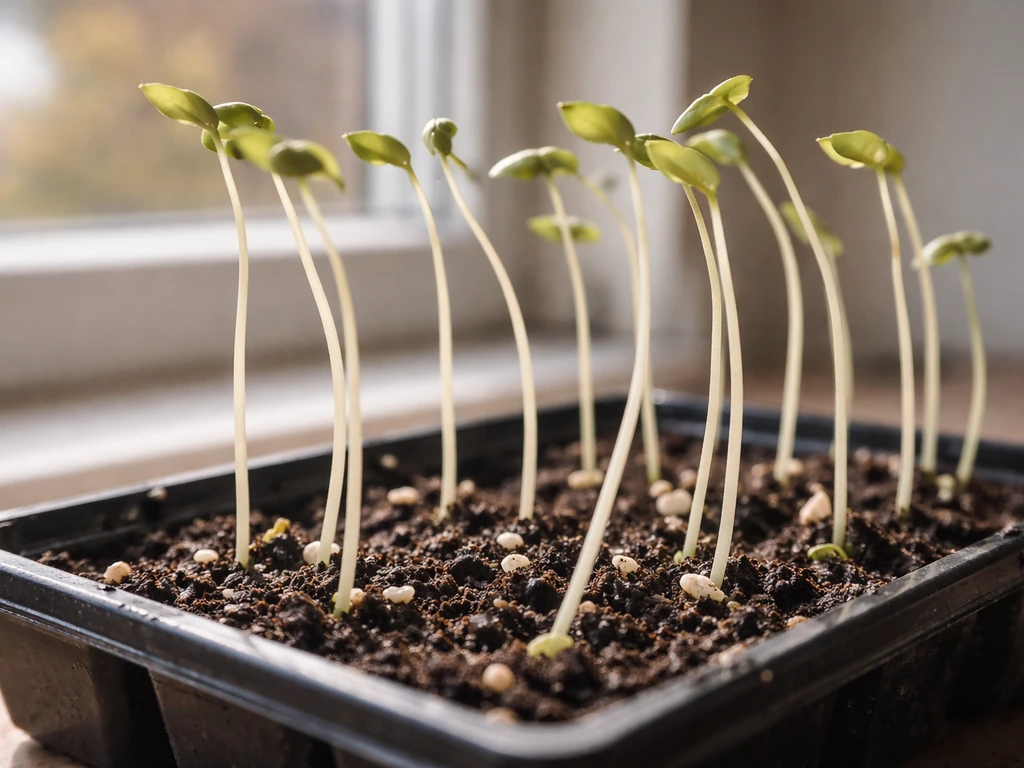
If your mung beans look stretched, pale, or are growing slowly, the fix is usually straightforward once you know what to look for. Here are the most common problems and what actually causes them.
Leggy, stretching stems
This is almost always a light intensity problem. When seedlings don't get enough light, they elongate their stems in search of a brighter source. UNH Extension describes this as the plant's natural "reach for light" behavior. The fix is to move your light closer (aim for 6 to 12 inches for fluorescents, 12 to 18 for LEDs) or increase the daily hours. If you're using a window, rotate the tray daily so plants don't lean to one side.
Pale or yellow leaves
Yellowing or pale coloration in seedlings that have emerged past the sprout stage means chloroplasts haven't developed properly. This is classic etiolation caused by insufficient light. Introducing a proper grow light and keeping it on for 14 to 16 hours a day will trigger de-etiolation: the cotyledons open, turn green, and the plant transitions from etioplasts to functional chloroplasts. It won't happen overnight, but you should see greening within a day or two of adequate light exposure.
Slow or failed germination
If seeds aren't sprouting at all, light is probably not the issue at this stage. The most common culprits are poor oxygen availability (waterlogged medium), temperature that's too cold (below 60°F slows germination significantly), or seeds that are too old. UNH Extension notes that oxygen-limited germination conditions can severely retard or inhibit sprouting. For mung beans in a jar or tray, make sure you're rinsing and draining thoroughly twice a day so water doesn't pool and deprive the seeds of oxygen.
Heat stress from lamps
If you're using older fluorescent fixtures or any incandescent bulbs, heat buildup is a real problem. UVM Extension recommends placing a small thermometer at canopy level: if the temperature at the plant tops exceeds 75 to 80°F, your light is too close or too hot. LEDs run much cooler, which is one of their practical advantages in small indoor setups.
Quick setup plan for growing mung beans indoors today
Here's a simple plan you can start right now, depending on your goal. Pick the track that matches what you're trying to grow.
Track 1: Kitchen sprouts (no equipment needed)
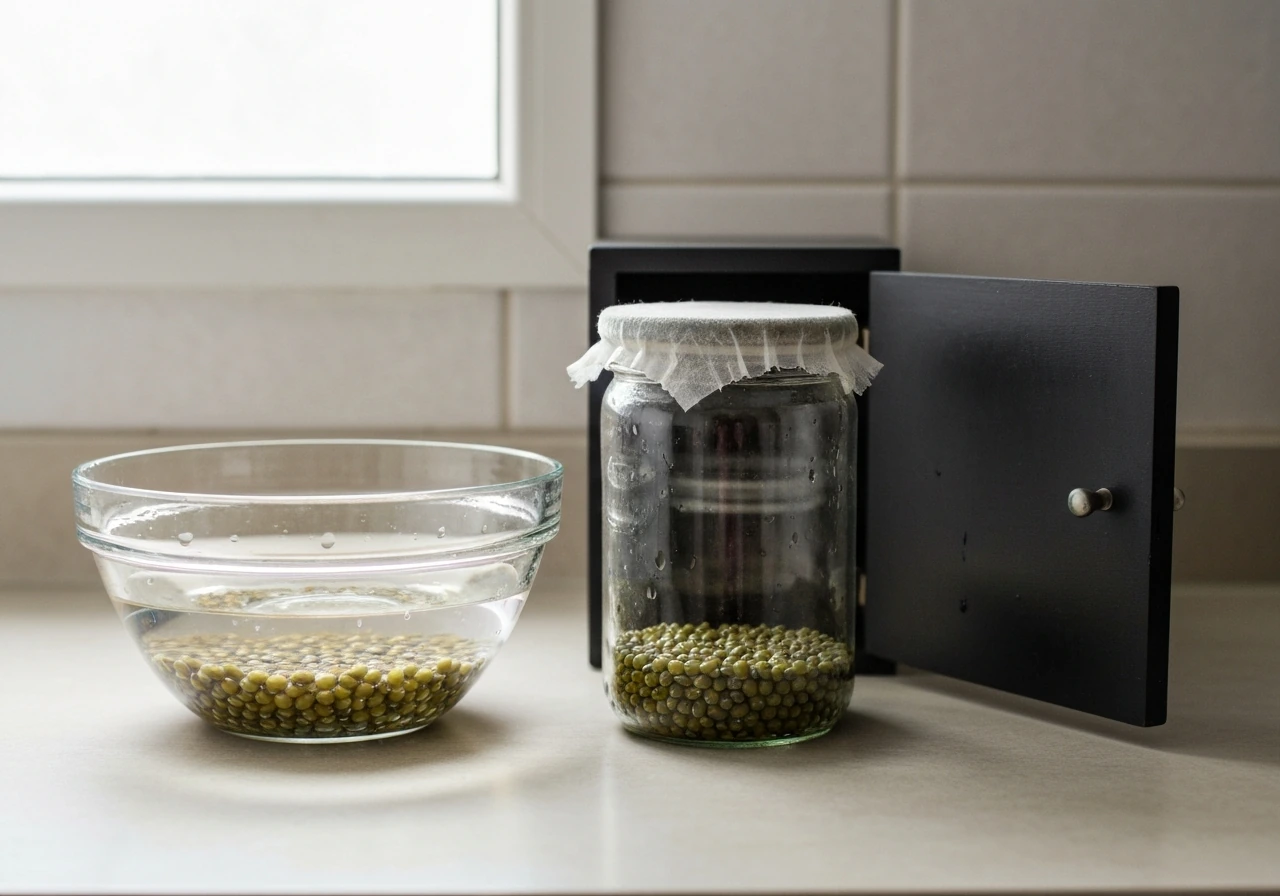
- Soak 2 to 3 tablespoons of dry mung beans in water for 8 to 12 hours
- Drain thoroughly and place in a clean jar or sprouting tray
- Store in a dark cupboard or cover loosely with a cloth
- Rinse and drain twice daily with room-temperature water
- Harvest in 3 to 5 days when sprouts are 1 to 2 inches long
- Keep them away from bright light the entire time for best texture
Track 2: Bean shoots under artificial light
- Soak mung beans for 8 to 12 hours, then drain
- Spread in a shallow tray with 1 to 2 inches of damp growing medium (coco coir or potting mix works well)
- Cover loosely and keep in a warm spot (65 to 75°F) for the first 4 to 5 days until germination
- Once sprouts emerge and are reaching upward, move the tray directly under your grow light
- Set the light 6 to 12 inches above the tray (T5) or 12 to 18 inches (LED panel)
- Run the light 14 to 16 hours per day using a plug-in timer
- Water gently with a spray bottle to keep the medium moist but not waterlogged
- Harvest bean shoots at 10 to 14 days, or continue growing for fully leafed-out plants
If you have zero access to a grow light and no usable window, mung beans for sprouting are still completely achievable, and that's genuinely useful. But for growing them beyond sprouts, a basic LED panel or a couple of T5 fluorescent tubes is a real minimum. The good news is that entry-level grow lights are inexpensive and do the job well. You don't need anything fancy. Mung beans are forgiving plants, and they respond quickly to improved light conditions, often visibly greening up within a day or two of getting adequate light. Penn State reports that fluorescent light exposure can rapidly inhibit brassinosteroid-induced ethylene production in dark-grown mung bean seedlings, with about 35% to 75% inhibition depending on exposure time respond quickly to improved light conditions. That kind of fast feedback makes them a satisfying plant to grow, especially if you're just getting started with indoor gardening.
If you're exploring other plants for low-light or no-sunlight indoor growing, the same questions about light stages and artificial lighting apply to a range of species. Some, like lucky bamboo, are genuinely more tolerant of low light than mung beans in their vegetative stage. Lucky bamboo can be a good low-light option, but it still has limits when conditions are very dim. In fact, lucky bamboo is one of the best-known examples of a plant that can handle lower-light indoor conditions, though not true darkness. Others, like tulsi or lotus, have stronger light needs. If you're wondering can tulsi grow without sunlight, the key takeaway is that it generally needs more light than mung beans once you move past sprouting. If you are wondering about lotus in particular, it also has specific light requirements compared with other low-light options. Mung beans sit in an interesting middle ground: ultra-easy in the dark as sprouts, but needing real light commitment once you want them to grow into plants.
FAQ
If I grow mung beans in total darkness after they sprout, will they eventually green up later when I turn on a light?
They might green a bit after you add light, but the early stretch and weak, pale growth can already be irreversible. Most people see the best “de-etiolation” results when light is introduced promptly around the first emergence window (roughly day 4 to 7).
Can I use a timer, and should it run nonstop for the first few days?
Yes, a timer is recommended, and you do not need continuous light. For the seedling or bean shoot stage, use a consistent daily window like 12 to 16 hours, then allow darkness during the off period to prevent overly stressed, leggy growth patterns.
What’s the best distance to place LEDs or fluorescent lights if I’m not sure how strong my setup is?
Start within the ranges in the article (about 12 to 18 inches for typical LED panels, 6 to 12 inches for fluorescents) and adjust based on plant response. If stems stretch or leaves look spaced out, shorten the distance or increase hours.
Do I need full-spectrum bulbs, or will any white LED work for mung bean seedlings?
Any sufficiently bright cool-white or daylight LED can work, but “full-spectrum” is a helpful label because it usually means a more balanced output. Prioritize brightness and correct color temperature (around 5000 to 6500K) rather than chasing expensive branding.
If my mung bean sprouts taste bitter or look off, is that from light or from something else?
Often it is not light. Common sprouting issues are from poor rinsing and draining (oxygen deprivation, pooled water), temperature that is too cool, or uneven sanitation. Darkness can keep sprouts tender, but it does not compensate for oxygen or hygiene problems.
How can I tell whether the problem is too little light versus too much water when seedlings yellow?
Too little light usually causes pale, stretched growth. Waterlogged conditions more often produce slow or stalled growth and can lead to sour or unpleasant smells. If yellowing comes with leggy stems and weak structure, adjust light first, then re-check watering and drainage.
Can I grow mung bean shoots on a kitchen counter without any grow light, using only indoor ambient light?
For sprouts eaten after a few days, yes. For shoots or leafy growth, usually no, because ambient light intensity is too low and inconsistent, leading to leaning and etiolation. If you must try, rotate the tray daily and expect weaker, paler shoots.
Is there a difference in light needs between mung bean sprouts and thicker, longer bean shoots?
Yes. Sprouts are typically produced quickly in darkness. As you extend growth into leafier shoots, you need to transition under light relatively soon after emergence, otherwise you will get thin, pale, weak shoots.
What should I do if my light is too hot, especially with fluorescent or older fixtures?
Keep heat at canopy level in check. If the tops feel warm, or you can measure temperatures above roughly the mid to high 70s °F, move the light farther away or improve airflow. LEDs usually run cooler and are easier to manage in small indoor spaces.
Do mung beans need light for root development, or only for green tops?
They do not need light to germinate roots. Darkness still allows radicle growth, while light becomes important once seedlings need to form chlorophyll and build sturdy green tissue for continued growth.