
For most DIY crystal projects using common materials like alum, salt, or sugar, light vs. dark doesn't matter much on its own. What actually controls how well your crystals grow is supersaturation, temperature stability, evaporation rate, and how clean your setup is. That said, light can affect things indirectly: sunlight or a nearby grow lamp warms your solution, speeding evaporation and temperature swings that can wreck crystal formation. So in practice, a dark, cool, undisturbed spot often produces bigger and clearer crystals, not because darkness itself helps, but because it tends to keep the other variables more stable.
Do Crystals Grow Better in the Dark or Light?
Marcus Hartley
14 Jun 2026
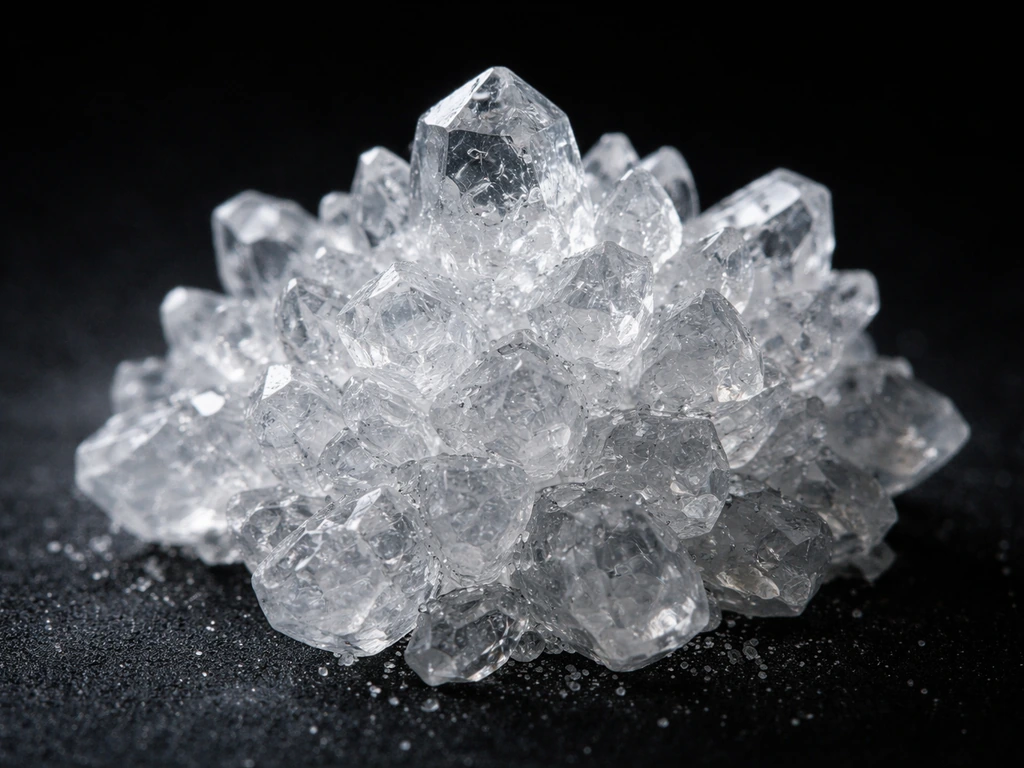
Light vs. dark: what's really going on
Plants grow toward light because they need photons to run photosynthesis. Crystals have no such requirement. Does mycelium need light to grow? If you're wondering specifically why rhubarb grows in the dark, it's largely about how the change in light affects its growth and color <a data-article-id="17A92E90-B042-4F73-A8A3-1569FB07ADD8">Does mycelium need light to grow?
</a>. That question comes up a lot, but the answer depends on the species and the purpose (fruiting versus just maintaining growth) Crystals have no such requirement. . A crystal doesn't photosynthesize, respire, or respond to a light cycle the way a plant does.
So the "dark vs. light" framing that makes total sense when you're asking whether a low-light plant can survive under a grow lamp simply doesn't apply the same way to crystallization.
Where light becomes relevant is through its side effects. A sunny windowsill raises the temperature of your solution by several degrees compared to a shaded shelf. Grow lamps used nearby do the same thing. That temperature increase changes how quickly water evaporates from the solution, and uneven or too-fast evaporation is one of the biggest reasons hobby crystals come out small, cloudy, or lumpy. So placing your crystal setup in the dark is often a proxy for "away from heat sources and disturbances" rather than darkness doing something magical on its own.
There's one narrow exception worth knowing about: some compounds (copper sulfate is the most common example in school labs) can undergo slow photochemical changes over time under strong UV or direct sun exposure. For those, darkness genuinely helps preserve solution purity. For salt, sugar, or alum, this isn't a practical concern.
Mold and algae are another indirect issue. If your solution has any organic contamination, light can encourage biological growth that clouds the solution and disrupts crystal formation. Keeping the setup covered and away from direct light limits that risk.
The factors that actually control crystal growth
If you want to grow bigger, clearer crystals at home, here's where to focus your attention:
Supersaturation
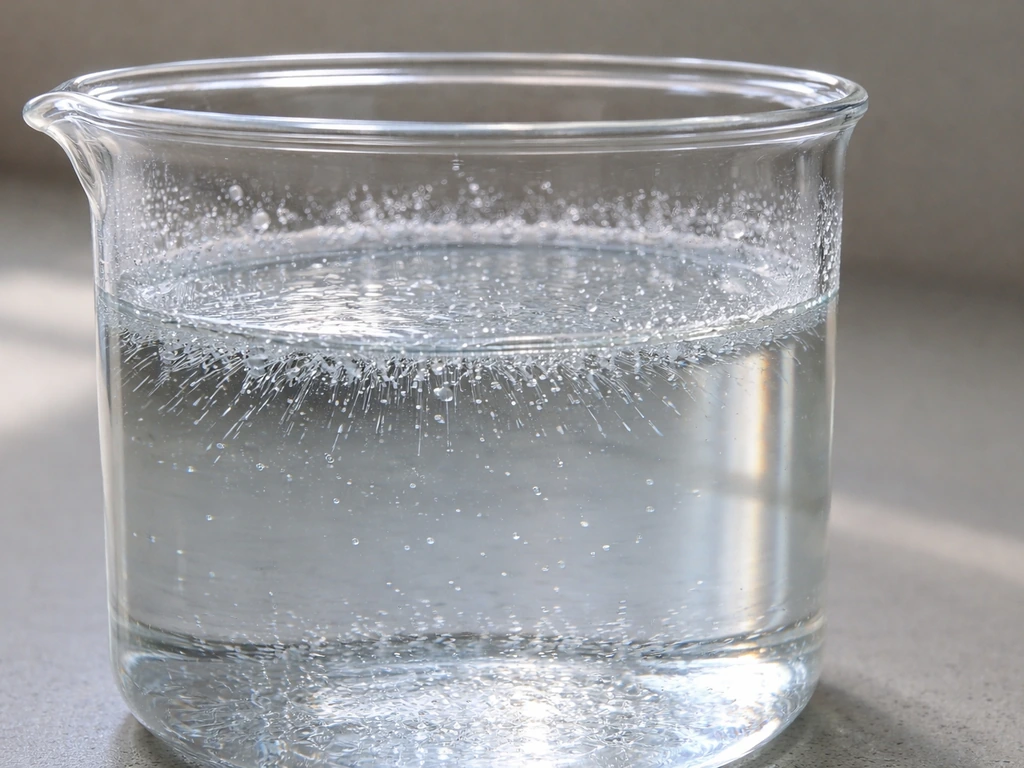
Crystals form when a solution holds more dissolved material than it normally can at a given temperature. You create this by dissolving your material in hot water (like an alum solution saturated at 60°C), then either cooling the solution or letting water slowly evaporate. The more carefully you control that process, the better your crystals. Rushing the cooling or evaporation produces lots of tiny crystals rather than a few large ones.
Temperature stability
Fluctuating temperatures are the enemy. When temperature swings up and down, crystals partially dissolve and re-form repeatedly, which produces rough, irregular shapes. Pick a location where the temperature stays consistent over days or weeks. A kitchen counter near an oven is a bad spot. A shelf in a closet or an unused corner of a room is much better. This is why "put it somewhere dark" is common advice: dark usually means away from windows and light sources, both of which introduce temperature variation. If you are wondering why darkness gets mentioned so often, see why does rhubarb grow in the dark for a related look at how low light can change living systems.
Evaporation rate
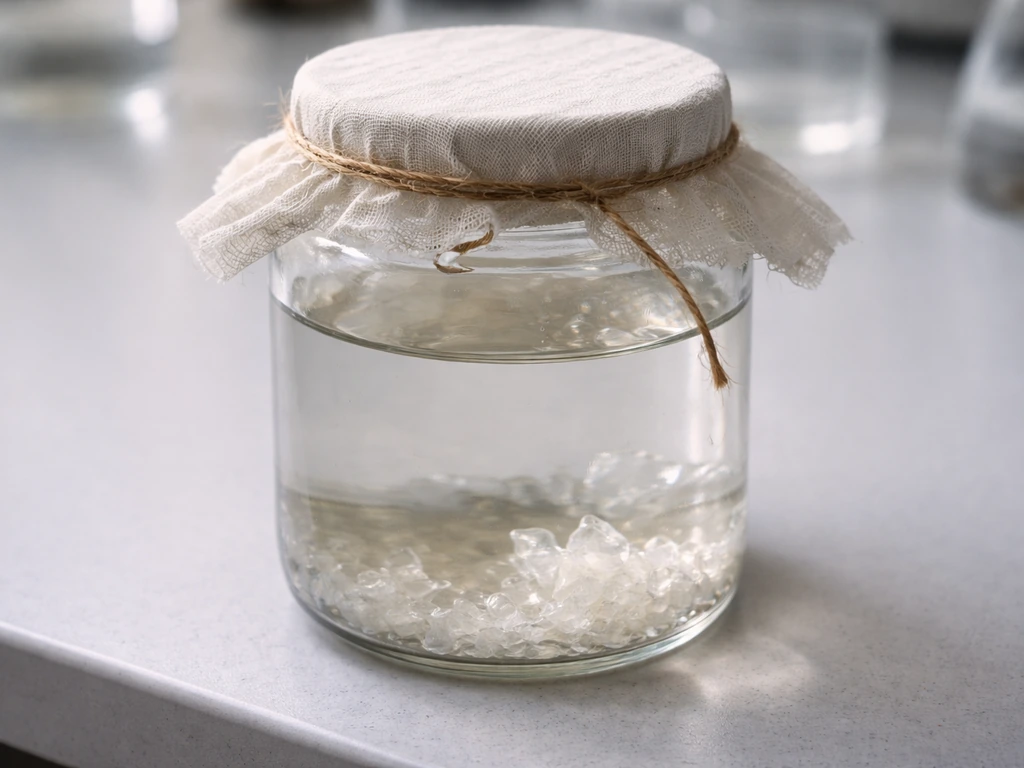
Slower evaporation produces larger crystals. This is one of the most well-documented patterns in basic crystallization experiments. A setup left in a cool, stable environment where water leaves the solution gradually gives each crystal more time to build an organized lattice. Faster evaporation produces more nucleation sites all at once, meaning the available dissolved material gets split among hundreds of tiny crystals instead of a few big ones.
Nucleation sites and cleanliness
Crystallization can start spontaneously from the solution itself (homogeneous nucleation) or at a surface, dust particle, or seed crystal (heterogeneous nucleation). Scratches on the inside of your container, dust floating in, or a thread or stick you've intentionally added all act as nucleation sites. More sites means more smaller crystals competing for the same dissolved material. If you want one or two large crystals, use a very clean, smooth container and consider adding a single seed crystal tied to a string.
Practical setups to try at home
You don't need a lab or expensive kit. Here's what actually works for common hobby crystallization with alum, salt, or sugar:
- Use a clean glass jar or bowl. Avoid plastic containers with visible scratches, which create too many uncontrolled nucleation sites.
- Dissolve your material in the hottest water you safely can, then filter the solution through a coffee filter to remove any undissolved particles or debris.
- Cover the container loosely with a paper towel or cheesecloth rather than a solid lid. This lets water evaporate slowly while keeping dust out.
- Place the setup somewhere with a stable temperature: a shelf inside a cabinet, a closet corner, or a basement area away from vents. Aim for 18 to 22°C (65 to 72°F) with minimal fluctuation.
- For the cooling method (like alum at 60°C), let the solution cool to room temperature without moving it, then leave it undisturbed. Don't peek or stir.
- If you want one large seed crystal, first let a small batch crystallize quickly on a rough surface, pick out the best-shaped small crystal, tie it to a nylon thread, and suspend it in a fresh filtered solution.
- Check progress every 24 to 48 hours by looking without disturbing. If the solution goes cloudy with fine crystals, you've cooled or evaporated too fast.
On the humidity side: very dry indoor environments (like air-conditioned rooms in summer) can cause faster surface evaporation. If you're growing crystals in an especially dry space, a slightly more enclosed container with a smaller opening will slow things down without sealing off evaporation entirely.
Run a simple light vs. dark experiment yourself
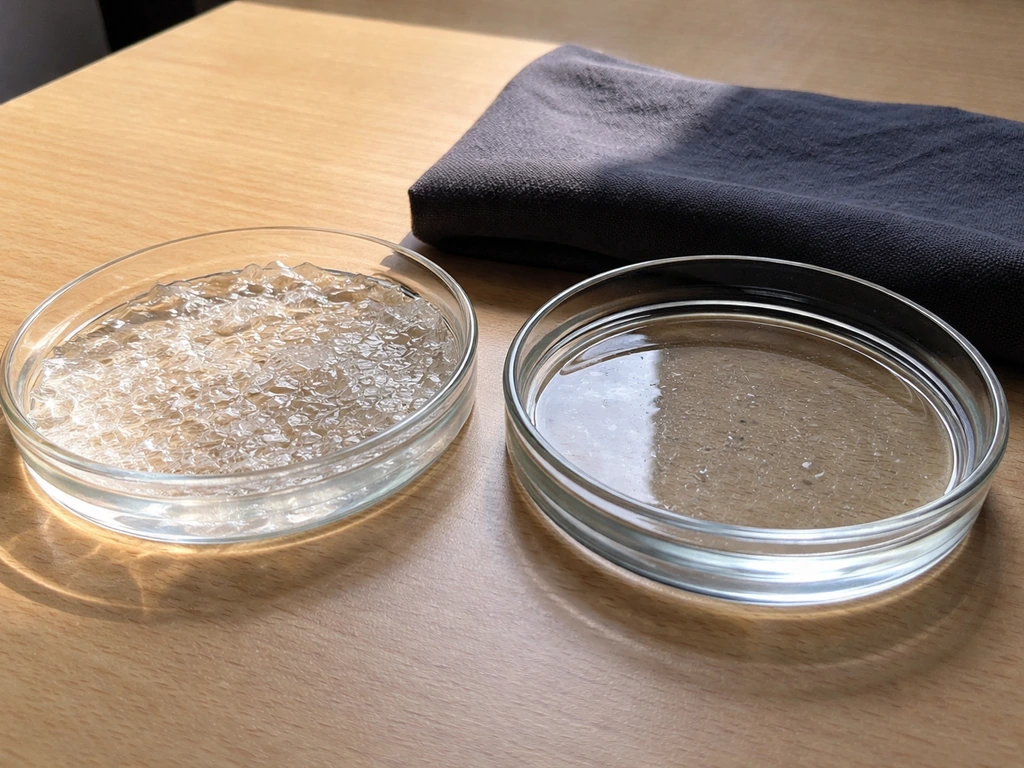
The most honest thing you can do is test your own conditions side by side. Nether wart is a Nether crop, and its growth is tied to farmland conditions and the passage of time rather than whether it is placed in darkness. Here's a straightforward way to do it:
- Make one large batch of the same solution (alum or salt work well for this) so both test containers start with identical supersaturation.
- Pour equal amounts into two identical, clean glass jars.
- Cover both the same way (paper towel held with a rubber band).
- Place one jar in a spot that gets consistent indirect light or is near a lamp for several hours a day. Place the other in a dark spot (inside a cabinet or closet). Both locations should be at roughly the same room temperature — check with a basic thermometer.
- Leave both undisturbed for 5 to 7 days. Do not stir, move, or shake either jar.
- After 5 to 7 days, photograph or measure the crystals in each jar. Note not just size but clarity, shape regularity, and how many crystals formed.
- Record the ambient temperature in each location daily if you can. This is the key variable to watch — if the light jar ran warmer, that explains any difference in results more than the light itself does.
Most people who run this experiment find the dark-location jar produces slightly larger or more regular crystals, but the reason traces back to temperature stability and evaporation rate, not light itself. Glow berries are a variety that people often keep under controlled, low-light conditions, so check the care guidance to see whether darkness is required for your specific setup do glow berries need darkness to grow. If you control for temperature carefully (same ambient temp, no direct sunlight or lamp heat hitting either jar), the results tend to be much more similar than the "dark is better" folk wisdom suggests.
Troubleshooting: slow growth, no crystals, or tiny results
| Problem | Likely cause | Fix |
|---|---|---|
| No crystals forming after several days | Solution wasn't saturated enough, or temperature is too stable and warm with no evaporation | Make a stronger solution: add more solute to hot water until no more dissolves, then filter and try again. Lower the ambient temperature slightly. |
| Hundreds of tiny crystals instead of a few large ones | Too many nucleation sites, or evaporation is happening too fast | Use a cleaner, smoother container. Cover the opening more to slow evaporation. Filter the solution again before starting. |
| Crystals growing but then dissolving or shrinking | Temperature is fluctuating too much (warming and re-dissolving crystals) | Move the setup to a more stable-temperature location away from vents, windows, and appliances. |
| Cloudy or rough crystal surfaces | Impurities in solution, or too-fast growth | Filter the solution more carefully through two coffee filters. Slow the evaporation by closing the opening slightly. |
| Growth has completely stalled after initial crystals | Solution is no longer supersaturated (the crystal took what it could) | Carefully remove the crystal, make a fresh saturated solution, filter it, and use your grown crystal as a seed crystal in the new solution. |
Materials, safety, and what to use
Most home crystal projects use very safe materials, but there are still a few things worth knowing before you start.
Common materials and their safety profiles
| Material | Common use | Safety notes |
|---|---|---|
| Alum (potassium aluminum sulfate) | Large, clear crystals; widely used in kits | Generally safe; food-grade alum is sold in grocery stores. Avoid ingesting large amounts. Rinse skin contact with water. |
| Table salt (sodium chloride) | Simple cubic crystals; great for beginners | Completely safe. Easy to source and non-toxic. |
| Sugar (sucrose) | Rock candy; slower growth | Safe. Note that sugar solutions can grow mold if left too long; covering the container helps. |
| Copper sulfate | Blue crystals; vivid color | Irritant. Avoid skin and eye contact; wear gloves. Do not dispose of down the drain in large quantities — check local guidelines. Keep away from children and pets. |
| Epsom salt (magnesium sulfate) | Flat, needle-like crystals | Safe. Common in pharmacies. Grows quickly but crystals are less dramatic than alum. |
General handling tips
- Work in a well-ventilated area when heating solutions, even for safe materials. Steam from hot water plus dissolved chemicals isn't something you want to breathe in large amounts.
- Use dedicated containers that won't go back to food use, especially if you're working with copper sulfate.
- Label your jars clearly, especially if children or pets are in the home.
- When disposing of spent solutions, dilute with plenty of water. Salt and sugar solutions can go down the drain safely. Copper sulfate solutions should be checked against your local waste guidelines.
- Wash hands thoroughly after handling crystals or solutions, even with safe materials like alum.
This kind of careful, observational home experiment shares a lot of DNA with watching how plants respond to different environments. For example, you would treat “can nether wart grow in light” like a variable question and verify it under consistent conditions rather than assuming light alone is the deciding factor. Just like figuring out whether a low-light plant actually needs more light or is dealing with overwatering, growing crystals well is mostly about identifying and controlling the real variables rather than the obvious-sounding ones. Light gets blamed for a lot in both cases when temperature and consistency are usually the real culprits.
FAQ
If I put my crystal solution in a dark room, do I still need to control temperature and evaporation?
Not necessarily. If both jars are at the same temperature and evaporation rate, crystals usually look similar regardless of whether they are in a dark closet or indirect light. The practical test is to cover both with breathable material (or keep the opening size identical) and avoid any lamp or window that could warm one sample.
What if my “dark” spot is still near a window or a heater?
Yes. Even without direct sun, a bright room can still warm the container by a few degrees, especially on counters near appliances or during daytime. Aim for a stable ambient temperature, and keep the container away from drafts and heat sources, not just away from light.
How can I run a fair dark vs light comparison so I do not confuse evaporation with lighting effects?
Use the same container geometry and the same lid setup for both conditions. For example, if one jar has a wider opening, it will evaporate faster and create more nucleation, producing smaller crystals that could be wrongly attributed to darkness.
Does darkness prevent mold and algae in crystal solutions?
Mold risk is usually driven by contamination and time, not darkness alone. If you see cloudiness or fuzz, discard that batch, rinse the container thoroughly, use cleaner water, and keep the solution covered with something that limits dust (for example, a breathable cover) while still allowing slow evaporation.
Should I stir or move the solution to help crystals grow in the dark?
If your goal is big single crystals, too much stirring is harmful. Gentle handling is fine at the start, but after the first crystals appear, avoid moving the solution, shaking the jar, or scratching the container, since that can create new nucleation sites.
Why do I end up with lots of tiny crystals even when I keep it in a dark place?
Choose a clean, smooth container, and consider one intentional seed. Avoid letting random dust or fibers fall in, since those become extra nucleation sites and split dissolved material into many small crystals.
Is there any situation where darkness truly helps because of chemical changes under light?
Some crystals are more sensitive to photochemical changes than others. Copper sulfate solutions can shift under strong UV or direct sun over time, so darkness can preserve solution appearance and consistency for those specific chemicals, while salt, sugar, and alum generally do not need it.
What are early signs my process is producing the wrong type of crystal growth?
If you notice rapid growth followed by a cloudy mess, it often means the solution is cooling too quickly or evaporating too fast. Re-make the solution with better temperature control, use slower evaporation, and resist boiling hard until fully dissolved to reduce impurities and sudden nucleation.
What is the best “dark” setup if I live in a very dry, air-conditioned home?
A closet shelf with minimal airflow and stable room temperature is often better than a sealed box. If you are in a very dry environment, a smaller opening or a loosely covered container can slow evaporation without trapping enough moisture to worsen contamination.
Can I reuse the same solution and just change the light to see which works better?
Yes, but do it carefully. If you can, set up two identical containers side by side and only vary light exposure. Keep everything else constant, and measure outcomes like crystal size distribution and clarity after the same number of days.