Most plants can grow under constant light, but very few actually do well with it long-term. The honest answer is: it depends on the species and the intensity. Leafy greens like lettuce can handle near-continuous light at moderate levels for a while, but most houseplants, flowering plants, and fruiting crops need a daily dark period to stay healthy, manage stress, and (if that's your goal) actually bloom or fruit.
Can Plants Grow in Constant Light? Indoor Guide
Marcus Hartley
12 Jun 2026
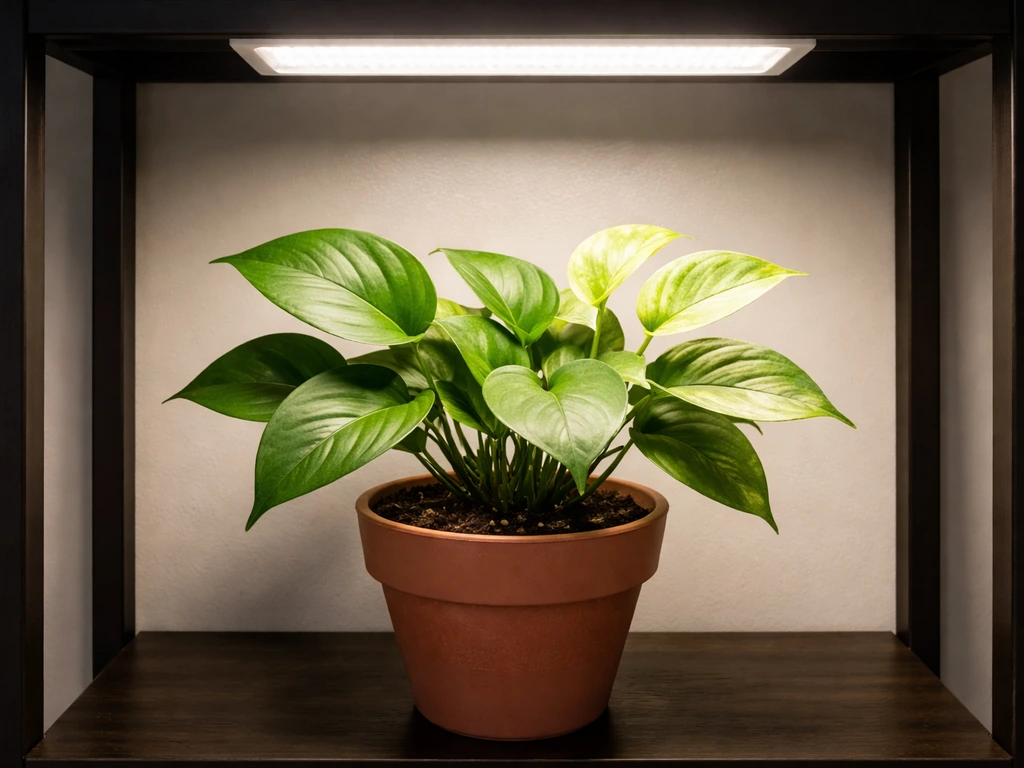
Running your grow lights 24/7 is not a shortcut to faster growth. Yes, you can grow many plants with tube lights, but you still need to manage intensity and provide a proper dark period for best health and growth can plants grow in tube light. For many plants, it's a shortcut to yellowing leaves, stalled development, and a frustrated plant parent.
What 'constant light' actually means for plants
When growers talk about constant light, they mean a 24-hour photoperiod: lights on all day, all night, with zero darkness. Photoperiod is simply the number of hours of light a plant receives within a 24-hour window, and it's one of the most powerful signals a plant uses to regulate its internal clock. Plants don't just use light to photosynthesize; they use the rhythm of light and dark to time flowering, manage water use through their stomata, regulate sugar metabolism, and basically run their entire biological schedule. Taking away the dark period doesn't just remove rest. It disrupts the plant's entire timekeeping system.
It's also worth separating photoperiod (duration) from intensity (how bright the light is). PPFD, measured in micromoles of photons per square meter per second (μmol·m⁻²·s⁻¹), is the most accurate way to describe light intensity for plants. Lux and foot-candles measure how bright light appears to human eyes, not how much photosynthetically useful light a plant is actually receiving. A plant under constant dim light is a very different situation from a plant under constant high-intensity light, and the problems they cause are different too.
Can plants grow 24/7: the short answer and key tradeoffs
Yes, some plants can survive and even grow under 24-hour light, especially at lower intensities. But there are real tradeoffs. The biggest ones are photoinhibition (light-driven damage to the photosynthetic system), disrupted stomatal behavior, and for flowering plants, a complete failure to bloom. Here's how to think about it practically:
- Leafy greens and herbs: the most tolerant group. Lettuce, basil, and spinach can handle extended photoperiods (16-20 hours) and some can push toward 24 hours at low-to-moderate intensities without obvious damage, at least short-term.
- Most tropical houseplants: not great candidates for 24/7 light. They evolved with consistent day/night cycles and will show stress signs like leaf curling, bleaching, or stunted growth over time.
- Flowering and fruiting plants: usually a hard no for constant light. Many won't flower at all without the right dark period, no matter how much light you throw at them.
- Seedlings: benefit from long photoperiods (16-18 hours is commonly recommended) but still need some darkness for healthy root development and stem structure.
The practical sweet spot for most indoor setups is 12-18 hours of light per day, depending on the plant. Running lights 24/7 doesn't meaningfully increase growth for most species, and it raises your electricity bill while stressing your plants.
How constant light affects growth, health, and stress
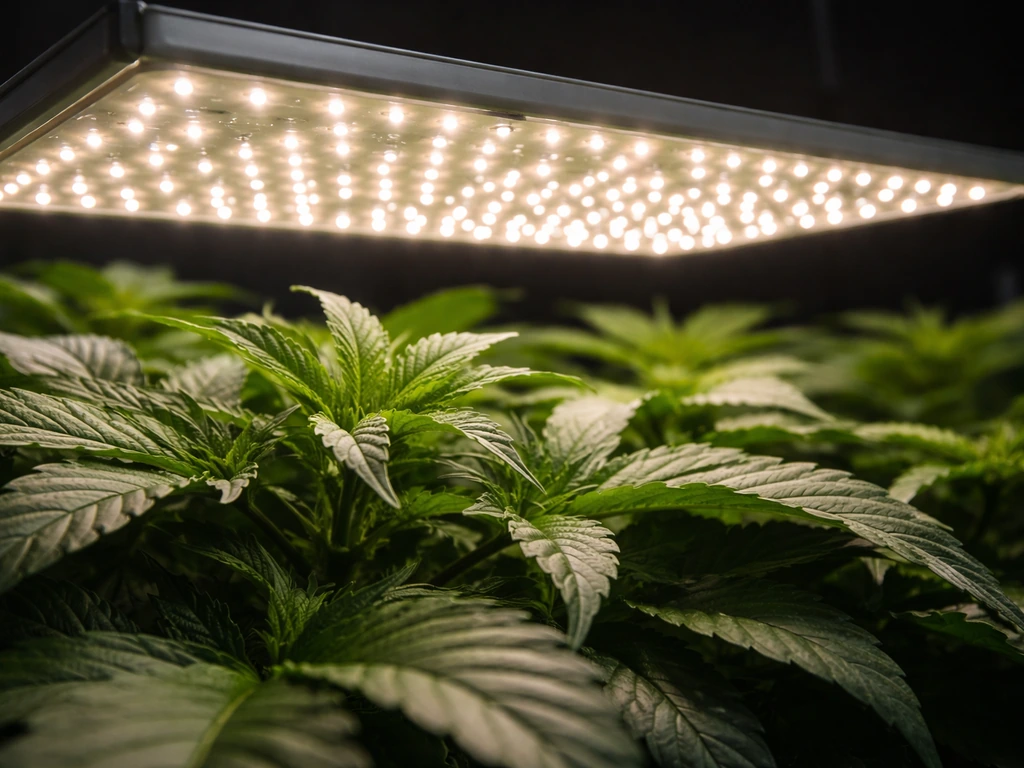
Here's the biology, kept simple. Plants photosynthesize (build sugars using light) during the light period and do much of their cellular maintenance, respiration, and resource reallocation during the dark period. When you remove darkness entirely, you're not giving the plant more energy; you're running it like a machine with no off switch.
Photoinhibition: what happens when the light never stops
The photosynthetic system in every leaf contains structures called Photosystem II (PSII), which capture light energy and convert it into chemical energy. Under continuous illumination, especially at medium-to-high intensity, PSII gets damaged faster than the plant can repair it. This process is called photoinhibition. A lettuce study exposing plants to continuous light at 100, 200, and 300 μmol·m⁻²·s⁻¹ found that medium and high intensity continuous light caused measurable, reversible photoinhibition after just 6 days, detectable through drops in chlorophyll fluorescence indicators like Fv/Fm. At the cellular level, excess light creates reactive oxygen species that accelerate PSII damage through oxidative stress and lipid peroxidation. The plant can repair this damage, but under constant light, the repair system can't keep up.
Stomatal behavior and water stress
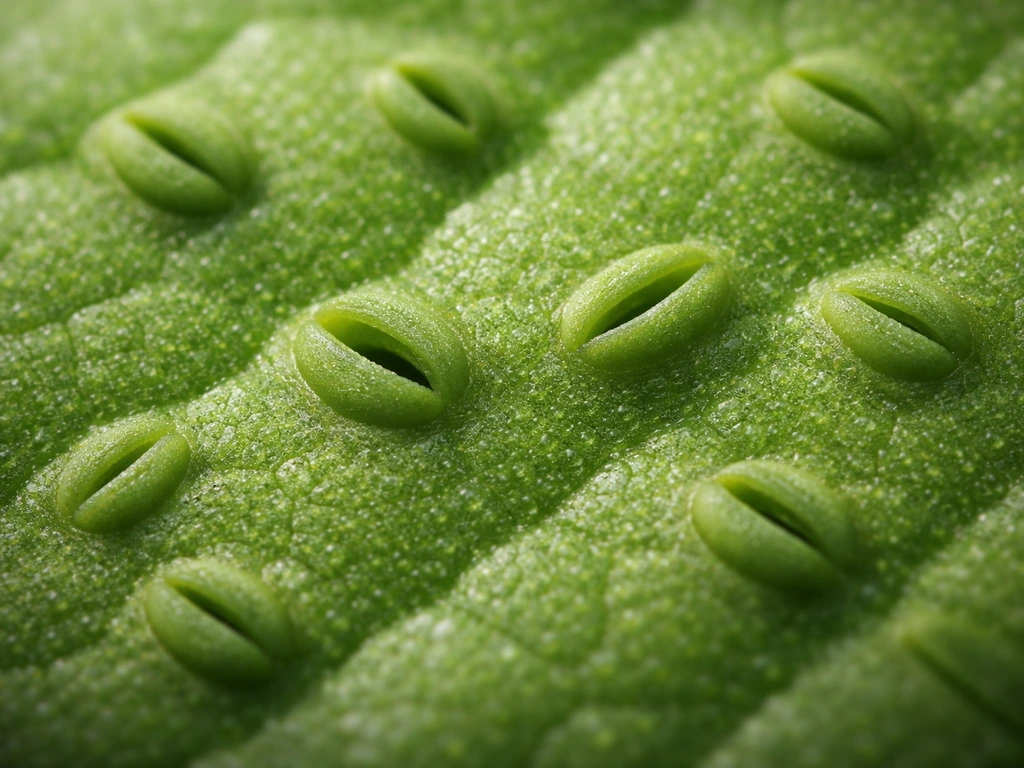
Stomata (the tiny pores in leaves) typically open during the day and close at night. This rhythm is partly driven by light and partly by the plant's internal clock. Interestingly, research on tomatoes under continuous light found that temperature variation could partially restore this diurnal stomatal pattern even when the photoperiod was constant at 24 hours. But without those temperature swings, stomata under constant light can lose their normal rhythm, which affects both water use efficiency and the plant's ability to take in CO2 for photosynthesis. For most home growers without fine temperature control, this is another reason constant light creates more problems than it solves.
Why the dark period matters for flowering and photoperiod plants
If you want flowers or fruit from your indoor plants, understanding photoperiodism is probably the most useful thing you can learn. Plants measure night length, not day length, to decide when to flower. Their photoreceptors interact with an internal circadian clock to track how long the darkness lasts. This is why completely removing the dark period doesn't just slow flowering; for many species, it stops it entirely.
There are three categories of flowering plants based on their photoperiod response: short-day plants (need long nights to flower), long-day plants (need short nights), and day-neutral plants (flower regardless of photoperiod). [Poinsettias and chrysanthemums are classic short-day plants. ](https://extension. oregonstate.
edu/sites/default/files/documents/54611/five-plants-long-day. pdf) Poinsettias need uninterrupted darkness of at least 11 hours and 45 minutes to initiate flowering, with the fastest response at 14 to 14. 5 hours of darkness at around 60-70°F. Chrysanthemums follow a similar pattern: they need a night longer than a critical minimum length, and even a brief flash of light in the middle of that dark period can interrupt the flowering signal.
This is actually a commercial technique called night interruption lighting, used to delay or prevent flowering, not to encourage it.
If you're growing short-day plants under constant or near-constant light and wondering why they never bloom, this is exactly why. You're accidentally mimicking perpetual summer.
Species-by-species guidance for common indoor plants
Not every plant responds to constant light the same way. Here's a practical breakdown of common indoor plants and what light schedule actually works for them.
| Plant Type / Species | Photoperiod Category | Recommended Daily Light | Can It Handle Constant Light? |
|---|---|---|---|
| Lettuce, spinach, arugula | Day-neutral / long-day tolerant | 14-18 hours | Short-term yes at low intensity; stress appears after ~6 days at moderate-high PPFD |
| Basil, cilantro, mint | Day-neutral | 14-16 hours | Tolerates long days; 24/7 not necessary or recommended |
| Seedlings (general) | Day-neutral | 16-18 hours | No; needs some dark period for healthy development |
| Pothos, philodendron, snake plant | Day-neutral tropical | 12-14 hours | No; stress, bleaching, and leaf damage likely over time |
| Tomatoes, peppers | Day-neutral / facultative long-day | 14-18 hours | Possible short-term but stomatal dysfunction and photoinhibition are real risks |
| Chrysanthemum | Short-day | 12-14 hours light, 10+ hours uninterrupted dark to flower | No; will not flower and may show stress |
| Poinsettia | Short-day | 9-10 hours light, 14-15 hours uninterrupted dark to flower | Absolutely not; requires complete uninterrupted darkness to bloom |
| African violet | Day-neutral | 12-14 hours | Not recommended; moderate consistent schedule works better |
| Succulents and cacti | Generally day-neutral | 12-16 hours | No; rest periods matter for health and flowering |
The takeaway here is that day-neutral plants (especially fast-growing leafy greens) are the best candidates if you want to push photoperiod toward the longer end. Even then, 18-20 hours is usually the practical ceiling before you see diminishing returns or stress symptoms. Flowering plants with photoperiod requirements need darkness as a non-negotiable part of the schedule, full stop.
How to set up a safe light schedule (timers, intensity, distance)
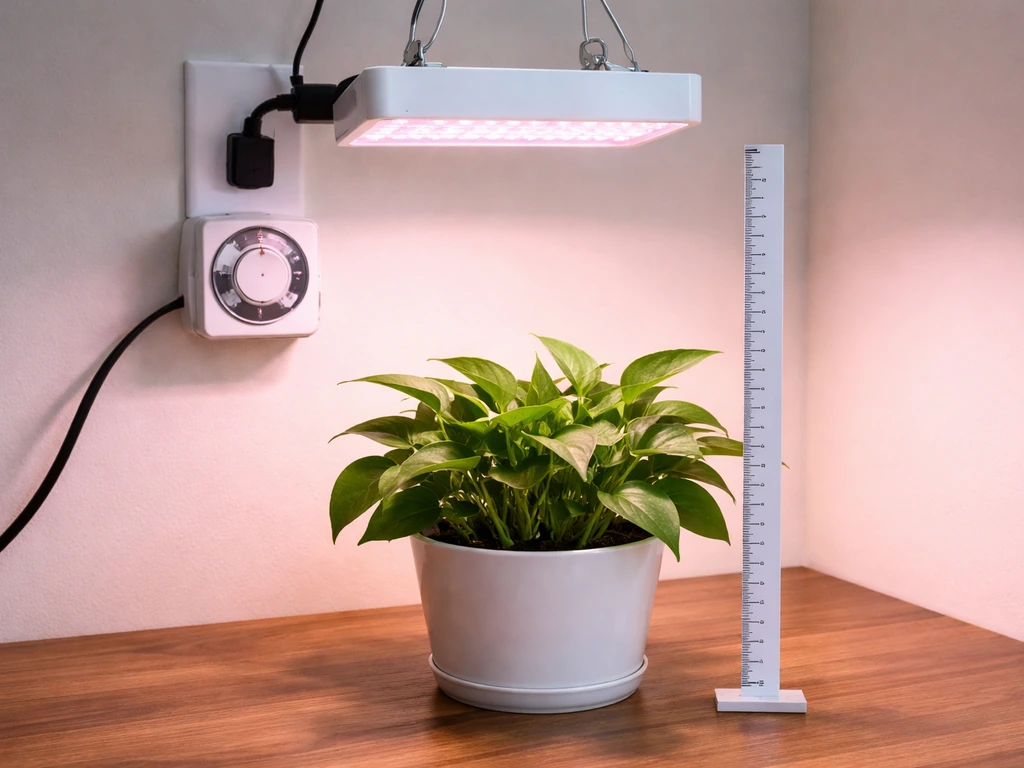
Getting this right isn't complicated once you have the basic framework. The goal is to deliver enough light energy (measured as Daily Light Integral, or DLI) without overdoing intensity or duration. DLI is the total number of photons hitting your plant over a full day, and it's shaped by both how bright the light is (PPFD) and how long it runs (hours). You can hit the same DLI with a brighter light run for fewer hours or a dimmer light run longer. This is actually a useful tool: if you're trying to stretch your grow light across more plants, you can run it at higher intensity for 14 hours rather than lower intensity for 20 hours.
Recommended light schedules by plant type
- Seedlings: 16-18 hours on, 6-8 hours off. PPFD around 100-200 μmol·m⁻²·s⁻¹ depending on species.
- Hydroponic lettuce and leafy herbs: 14-16 hours on, 8-10 hours off. PPFD around 150-250 μmol·m⁻²·s⁻¹.
- General tropical houseplants: 12-14 hours on, 10-12 hours off. PPFD around 100-200 μmol·m⁻²·s⁻¹.
- Fruiting crops (tomatoes, peppers): 14-18 hours on, 6-10 hours off. PPFD 200-400 μmol·m⁻²·s⁻¹ or higher depending on stage.
- Short-day flowering plants (poinsettia, chrysanthemum): 9-12 hours light, then 12-15 hours of complete, uninterrupted darkness. Even brief light exposure during the dark period can reset the flowering clock.
Using timers
A basic plug-in timer is one of the most useful things you can buy for indoor growing, and they cost under $15. Set it and forget it. If you're running a flowering plant on a short-day schedule, use a timer that doesn't have any indicator lights visible to the plant during the dark period. Even a faint LED glow from a power strip can be enough to disrupt the flowering response in sensitive species like poinsettias.
Light intensity and distance
PPFD drops quickly as you move a light further from the plant, which is useful to know when adjusting intensity without dimming controls. If your plants are showing signs of light stress and you can't dim the fixture, simply raising it a few inches can make a significant difference. Most LED grow lights used at home perform well at 12-24 inches above the plant canopy, but check the manufacturer's recommendation and use that as a starting point.
If your light has a dimmer, use it rather than running at 100% for 24 hours. A light running at 60% intensity for 16 hours often delivers better plant outcomes than 100% intensity for 12 hours, depending on the target DLI for that species.
A note on LED spectrum
Not all bright light is equal. Blue-heavy or UV-heavy LEDs can cause different stress responses than full-spectrum or red-dominant lights. Research comparing white LEDs versus blue-plus-red spectra shows real differences in plant growth and photosynthetic performance. For most home growers, a full-spectrum LED grow light is the safest and most versatile choice. It's not that fluorescent or other light sources can't grow plants (they can, and they're worth exploring for certain setups), but for intensity-sensitive applications like near-constant light, spectrum quality matters more than it does at lower durations. For plants that can grow under fluorescent light, it still helps to use a timer so they get a reliable dark period.
Troubleshooting signs and what to change next
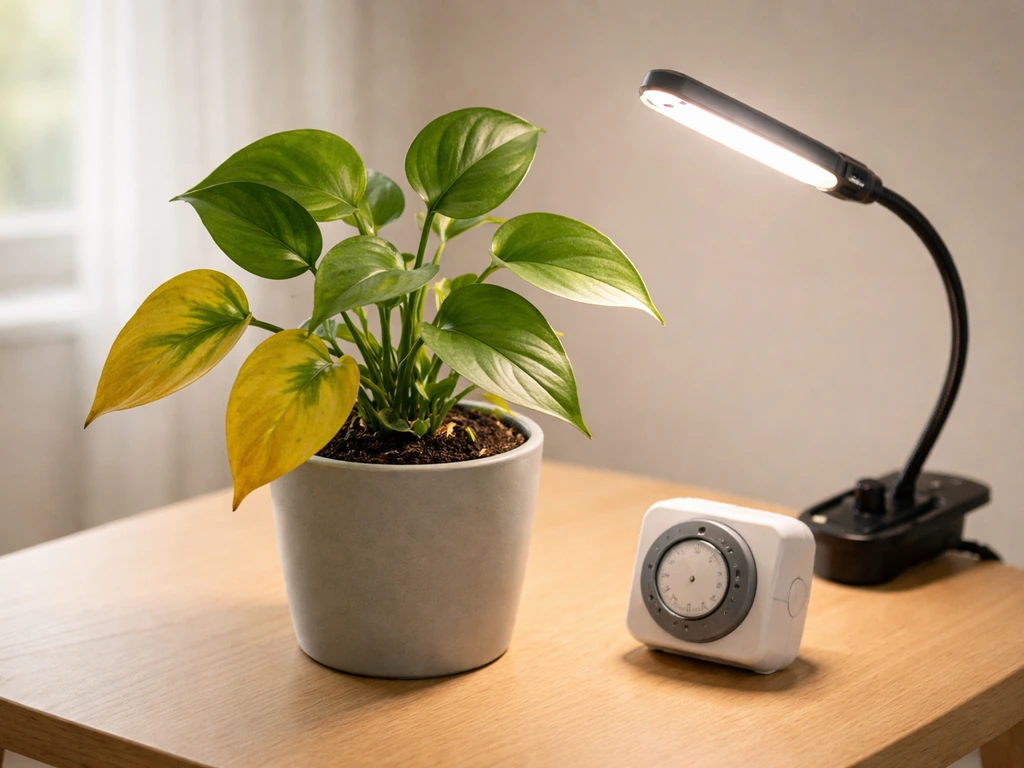
If your plant is already under constant or near-constant light and something looks wrong, here's how to read the symptoms and respond today.
| Symptom | Likely Cause | What to Do |
|---|---|---|
| Yellowing leaves (starting with older leaves) | Photoinhibition or disrupted nutrient cycling from lack of dark period | Reduce photoperiod to 14-16 hours. Check that dark period is truly dark. |
| Bleached or washed-out leaf color | Light intensity too high, possibly combined with constant exposure | Raise light distance or reduce intensity. Introduce 8-10 hour dark period. |
| Brown leaf tips or margins | Possible light burn or heat stress from prolonged exposure | Check distance from light source. Ensure air circulation. Reduce duration. |
| Leggy, stretched stems (etiolation) | Insufficient light intensity despite long duration | Lower the light, increase PPFD. Duration is not a substitute for intensity. |
| No flowering despite healthy growth | Photoperiod mismatch: short-day plant getting too much light | Introduce 12-15 hours of complete, uninterrupted darkness every night. |
| Wilting despite adequate watering | Stomatal disruption from constant light; plant can't regulate water properly | Introduce a dark period. Check for heat stress from prolonged light exposure. |
| Little or no new growth | Chronic stress from improper light schedule or intensity | Reset to species-appropriate schedule. Check PPFD at canopy level. |
One thing I've learned the hard way: when plants start showing stress under artificial light, the instinct is often to add more light or move plants closer to the source. More light on a stressed plant usually makes things worse, not better. The first move should almost always be to introduce or protect a proper dark period, then reassess intensity from there. Give the plant a few days after any schedule change before drawing conclusions. Plants are slower to respond than we are to worry.
If you're growing lettuce or other greens under continuous light and wondering whether you can push the hours further, the research suggests 14-16 hours is a reliable ceiling for healthy, ongoing production. If you want to keep can flowers grow with artificial light in mind, the key is not just how bright your grow lights are, but also giving your plants a real dark period. The lettuce continuous-light studies showing photoinhibition at moderate intensity after just 6 days are a useful reminder that tolerance has limits even for the most forgiving crops. If you want to grow lettuce or herbs under very long photoperiods, keep intensity on the lower end (around 100-150 μmol·m⁻²·s⁻¹) and watch for early signs of bleaching or reduced vigor.
The bottom line is practical: use a timer, pick a species-appropriate schedule, and treat the dark period as a feature rather than wasted time. Your plants aren't sleeping through those dark hours; they're doing the behind-the-scenes work that makes the next day's growth possible.
FAQ
If constant light can work for some plants, how low does the intensity need to be?
Yes, you can grow some plants with 24-hour lighting if the intensity is low enough, but “grow” often means survival, not optimum health. A common guideline is to treat continuous light as a temporary experiment, then watch for early stress like leaf tip yellowing, slowed new growth, and paling (bleaching). If you see these, the fastest fix is usually restoring a nightly dark window rather than further reducing nutrients or moving the plant again.
What counts as “dark” for night-sensitive flowering plants (like poinsettias)?
Even if your timer turns the fixture off, stray light can still break the dark period. LEDs on power strips, dim status lights on timers, and indicator lights on some adapters can be enough to interrupt sensitive short-day species. Cover the setup during the dark phase or use timers with no visible indicator glow, then confirm the grow area is actually dark to the plant.
Will constant light stop my plants from flowering or fruiting completely?
It can, especially for plants you care about blooming. Short-day and many flowering plants use the length of uninterrupted darkness to trigger flowering, so 24-hour light can prevent buds from forming. Day-neutral plants may still grow and even produce, but expect weaker or delayed flowering if the overall schedule pushes stress (for example, high intensity with no off period).
How do I decide between more hours versus stronger light if I suspect constant light is stressing my plants?
Measure and adjust using Daily Light Integral (DLI) in mind, not just hours. Two setups can deliver the same DLI with different combinations of PPFD and photoperiod, and the plant response depends on both. A helpful decision aid is to aim for a realistic photoperiod first (often 12-18 hours for many houseplants), then fine-tune intensity to reach the target DLI for that species.
What’s the best way to transition from 24/7 lighting back to a normal schedule?
If you’re growing under near-constant light already and you want to correct it, shorten the photoperiod gradually over a few days or switch immediately to your target schedule, then keep everything else stable (distance from light, watering pattern, airflow). Avoid changing intensity, nutrients, and light schedule all at once, because plants can take several days to show whether the adjustment helped.
If I can’t dim my grow light, what should I do when plants show light stress under long photoperiods?
Raising the light can help when you cannot dim, because PPFD drops quickly with distance. As a practical move, adjust the fixture upward a few inches first, then re-check plant response before making bigger changes. This reduces photoinhibition risk without changing your photoperiod yet, buying you time to implement a proper timer.
Is running lights 24/7 the fastest way to grow faster indoors?
Usually not. For most species, “more light hours” does not linearly translate to faster growth, because you can hit a point where damage and recovery limits offset the extra energy. A practical ceiling many growers see is around 18-20 hours for near-maximum routine health, with greens often doing better at the low-to-mid end than at 24 hours.
Does the type of grow light spectrum change whether constant light is safe?
Yes, spectrum can change how plants handle long photoperiods. Blue-heavy or UV-including LEDs can increase stress responses compared with full-spectrum options, especially at higher intensities. If you must use very long lighting, start with a full-spectrum grow light (or at least avoid aggressive UV/blue spikes) and keep intensity conservative.
If I have constant photoperiod, can varying temperature make plants behave normally?
Yes, especially for tomatoes and other plants where stomatal movement is tied to environmental rhythms. Temperature swings can partially restore day-night behavior even with constant photoperiod, but most home setups do not create consistent, intentional temperature cycling. If you insist on long photoperiods, prioritize airflow and allow natural temperature differences, but expect still not to match what a true light-dark cycle provides.
What early warning signs mean my plant is not handling constant light well?
Don’t rely on a few “normal” looking leaves to judge success. Check for early indicators that show up before big problems, like chlorosis (yellowing), reduced new leaf size, leaf edge burn, and slower development after a week under constant illumination. If you see these, switch to a timer-based schedule and give the plant a few days to recover before changing fertilizer or watering.