
Plenty of plants can thrive under a deck with little sunlight. The best options depend on exactly how dark the space is, but hostas, ferns, astilbe, sweet woodruff, creeping jenny, and moss are all proven performers in the low-light, often-dry conditions that decks create. The key is diagnosing your specific light level first, then matching your plant choices to that reality rather than hoping something will adapt.
What Can Grow Under a Deck With Little Sunlight
Marcus Hartley
14 Jun 2026
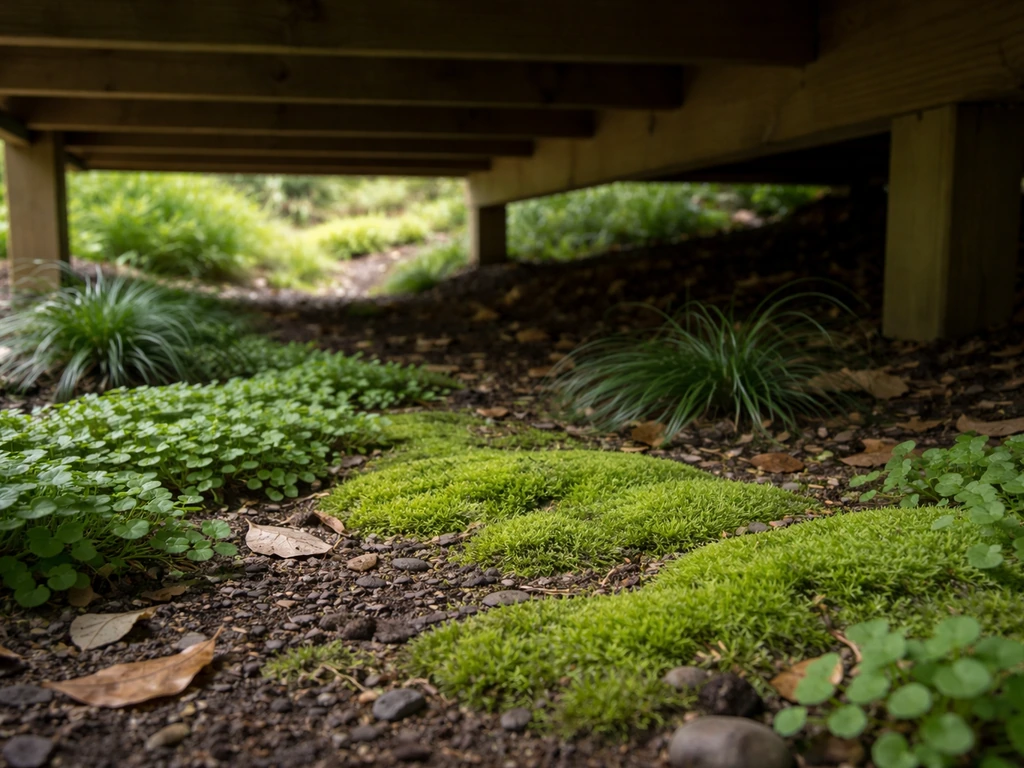
If you are trying to answer what plants grow well with little sunlight, start by matching your space’s exact low-light level to species proven for shade. Even if the area gets only indirect sunlight, you can still select shade-appropriate plants and help them thrive by meeting their light needs matching your plant choices to that reality.
Figure out your actual light conditions before you plant anything
Not all shade is the same. Penn State Extension defines partial shade in terms of hours of direct sun per day, commonly about 2 to 4 hours blank" rel="noopener noreferrer">Not all shade is the same. Under a deck you could be dealing with partial shade (2 to 4 hours of direct sun per day), full shade (less than 2 hours of direct sun), or what extension services call deep shade, where almost no direct light reaches the ground at any point in the day. The plants that survive partial shade would struggle in deep shade, so this diagnosis step is worth doing before you buy a single flat of groundcover.
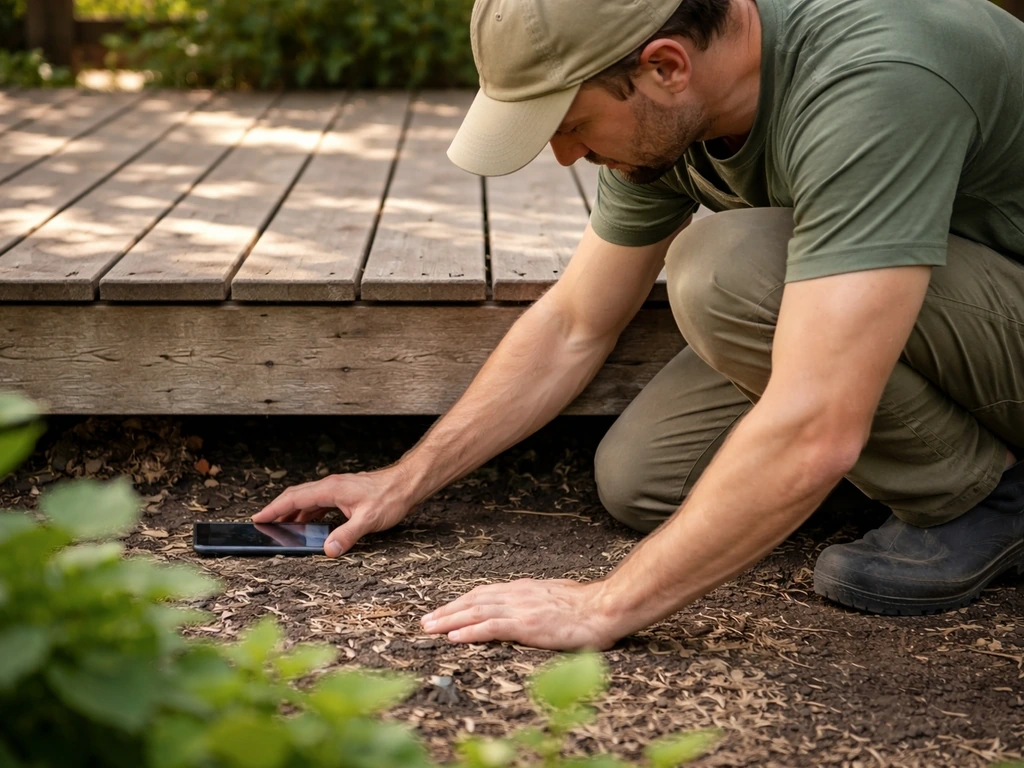
The simplest way to assess your deck is to visit it several times on a sunny day and note where and when a patch of direct sun actually hits the ground. Check at 8 a.m., noon, and 3 p.m. A free tool called SunCalc lets you plug in your address and see how sun moves across your property by month and hour, which is especially useful in June when decks get the most shade because the sun is high. On the other end of the season, you might actually get more light under a deck in early spring before the sun rises high enough to be blocked by the overhang.
If you want a number, a lux meter app on your smartphone (search 'lux meter' in any app store) can give you a ballpark reading. Full outdoor sun can hit 50,000 to 100,000 lux. Under a deck you might read 500 to 2,000 lux in a good spot, or as low as 100 to 200 lux in a truly dark corner. Most shade-tolerant plants need at least 500 lux for several hours to photosynthesize enough to stay healthy.
Plants grow better in sunlight because more light drives photosynthesis, helping them produce energy for healthy leaves and stems why do plants grow better in sunlight. Below that, your options get very narrow, and you may need a small supplemental light to get anything going.
Beyond light, notice a few other microclimate factors. Is the soil bone dry? Decks act like a roof and block rain, so the soil directly underneath often gets far less moisture than surrounding beds. Is there limited airflow? Tight deck framing can trap humidity and promote fungal disease on foliage. Does water pool along the edges or run off aggressively? These factors shape which plants will actually make it through the season.
Best low-light plants for under a deck
These are the plants that genuinely earn their place in deep to partial shade. They are not plants that 'can tolerate' shade in the way a marketing tag might suggest. They are species that actually do their best work in low light.
Perennials that come back every year
- Hostas: The classic under-deck plant for good reason. Large-leafed varieties handle deep shade better than most. They go dormant in winter and return reliably. Choose varieties labeled 'sun tolerant' only if you have a brighter spot; for true deep shade, pick cultivars like 'Halcyon' or 'Sum and Substance.'
- Astilbe: Feathery plumes in pink, white, and red that actually prefer shade and consistent moisture. If your under-deck spot gets some runoff from the sides, astilbe will love it.
- Bleeding heart (Lamprocapnos spectabilis): Beautiful arching stems with pendant flowers in spring. It goes dormant in summer heat, so pair it with hostas that fill in as bleeding heart fades.
- Solomon's seal: Arching stems with white bell flowers and handsome foliage. Exceptionally shade-tolerant and spreads slowly to fill space over a few seasons.
- Heuchera (coral bells): Grown mostly for dramatic foliage color in burgundy, lime, and copper. Needs some ambient light to keep color vivid but handles shade well.
Groundcovers for low-maintenance coverage
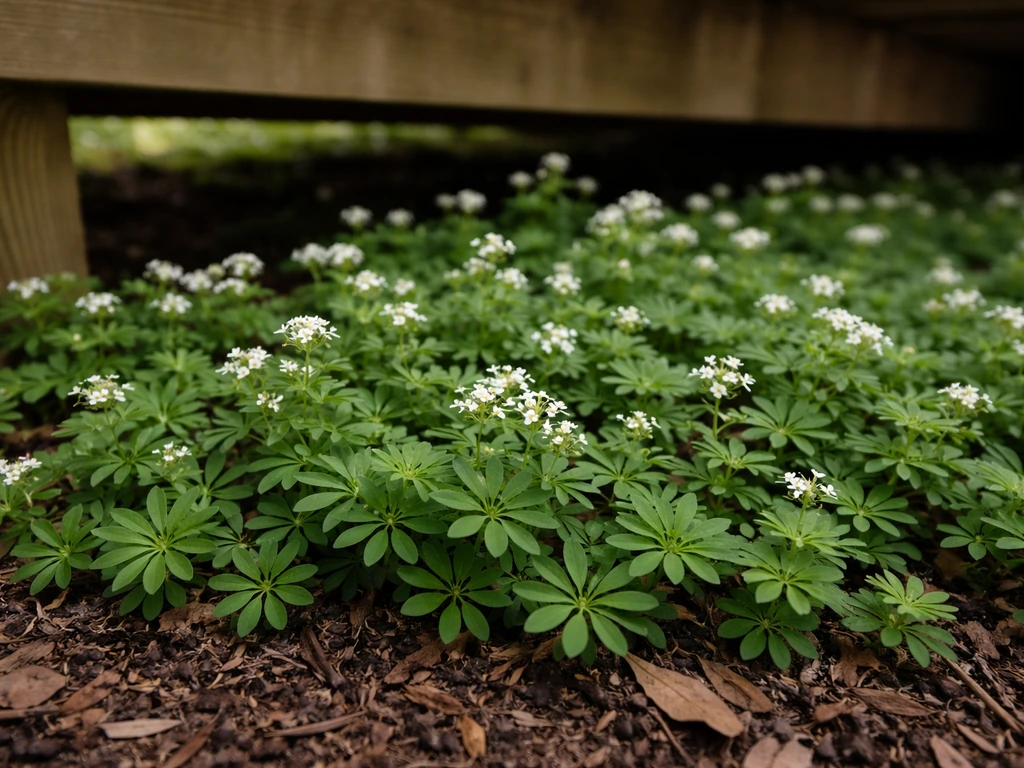
- Sweet woodruff (Galium odoratum): A mat-forming groundcover with tiny white flowers in spring. Spreads willingly in shade and handles dry soil once established. It can become aggressive, so edge it annually.
- Creeping Jenny (Lysimachia nummularia): Bright chartreuse foliage that trails nicely. The golden variety holds color even in shade and works well in containers too.
- Ajuga (bugleweed): Low-growing rosettes with blue flower spikes in spring. Takes shade and some foot traffic. Spreads by runners and fills gaps quickly.
- Epimedium (barrenwort): One of the toughest shade groundcovers available. Handles dry shade and root competition better than almost anything else. Slow to establish but nearly indestructible after the first year.
- Wild ginger (Asarum canadense): Native, shade-loving, and forms a dense weed-suppressing carpet. Slow spreader but very long lived.
Grass alternatives for very shady spots
Regular turfgrass needs a minimum of 4 to 6 hours of direct sun to stay healthy. Under most decks, that is simply not happening, so grass fails and leaves bare dirt, mud, and erosion. The good news is you have solid alternatives that look intentional rather than defeated.
- Moss: If you have moisture and shade, moss is honestly the easiest answer. It requires no mowing, no fertilizer, and no real maintenance once established. You can encourage it by spreading a slurry of gathered moss, buttermilk, and water on bare patches. It takes weeks to establish but then stays put. Moss works best where foot traffic is minimal.
- Pennsylvania sedge (Carex pensylvanica): A native sedge that forms a fine-textured, grass-like carpet in shade. Stays about 6 to 10 inches tall. Tough, spreads slowly, and handles moderate foot traffic. One of the best true lawn alternatives for shade.
- Japanese forest grass (Hakonechloa macra): Not a lawn substitute but a gorgeous ornamental grass for partial shade that adds movement and golden color to a shaded planting.
- Fine fescues: Of the actual grasses, fine fescues (creeping red fescue, chewings fescue) tolerate shade better than any other turf type. They need at least 2 to 3 hours of indirect filtered light to survive, so they are an option only under decks with open lattice sides or partial canopy.
- Liriope (lilyturf): Grass-like clumping perennial with purple flower spikes. Handles deep shade and dry conditions exceptionally well. Not a true grass but looks similar and holds up to light foot traffic.
Container planting under a deck
Containers are often a better strategy under a deck than in-ground planting, especially if the existing soil is compacted, root-choked, or heavily amended with construction debris. You control the soil mix, drainage, and plant placement, and you can move things around if one spot proves too dark.
What works well in containers here
- Ferns: Boston fern, autumn fern, and Japanese painted fern do beautifully in containers with consistently moist, well-draining mix. They give a lush, full look that suits a shaded deck environment.
- Caladiums: Tropical foliage plants with spectacular patterned leaves in red, pink, and white. They handle low light and add color where flowers struggle to bloom.
- Peace lily (Spathiphyllum): One of the most low-light tolerant plants available (familiar as an indoor plant for exactly that reason). Works in containers under decks in warmer climates or as a seasonal patio plant.
- Trailing plants for edge interest: Creeping Jenny, ivy, and sweet potato vine (dark-leafed varieties tolerate shade better) all spill nicely from containers and add visual depth.
What to avoid and what to get right
Use containers with drainage holes, always. Under a deck, evaporation is slower because rain and wind are blocked, so waterlogged roots are a real risk. Avoid solid ceramic pots without holes and decorative cache pots used as direct planters. Lightweight fabric grow bags are a genuinely good choice here because they air-prune roots and prevent overwatering. Size matters too: smaller pots dry out faster, which is a problem when you cannot rely on rain. Aim for containers at least 12 inches wide and deep for perennials, and water on a schedule rather than waiting for visual signs of drought stress.
Soil, moisture, and airflow under a deck
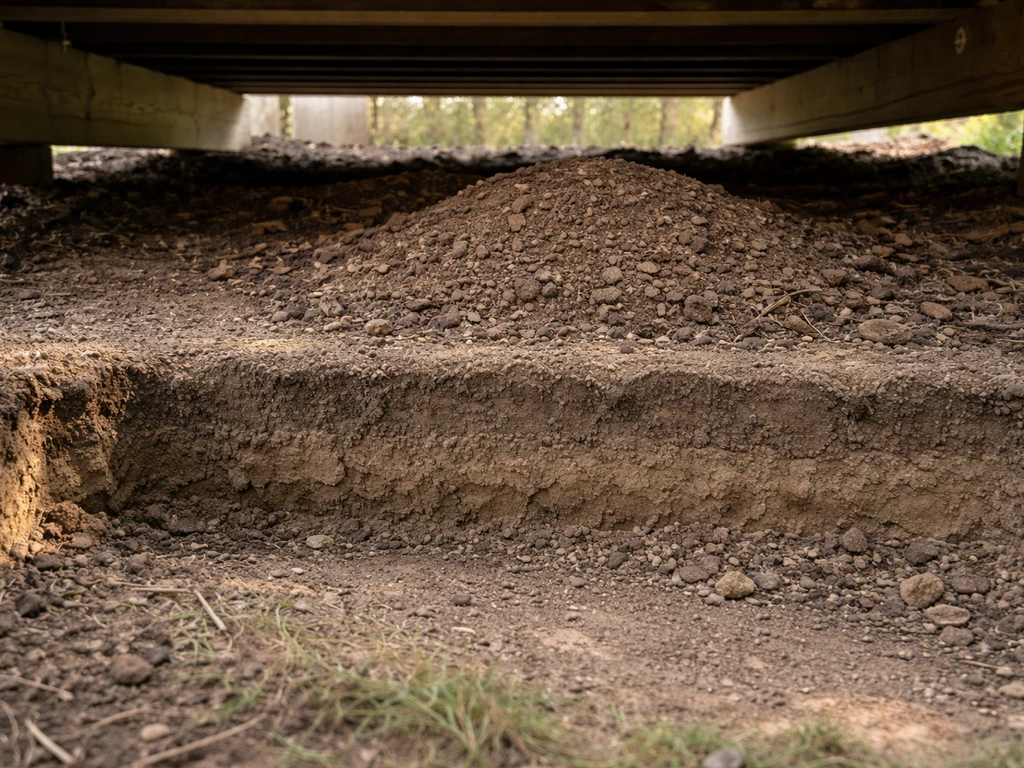
This is where most under-deck plantings fail, even when people choose the right plants. The conditions under a deck are not just shady. They are often a combination of dry (because the deck intercepts rain), compacted (because of construction foot traffic), and low in organic matter. Getting the soil right matters as much as getting the plants right.
Before planting, dig down 6 to 8 inches and assess what you are working with. If the soil is pale, compacted, and smells like clay or nothing at all, amend it generously. Mix in 3 to 4 inches of compost worked into the top 8 inches of soil. This improves drainage in clay soils and water retention in sandy ones, and it kickstarts microbial activity that shade plants depend on for slow nutrient release.
For moisture management, check the soil every few days in the first season. Under most decks, you will need to hand water more than you expect, especially in summer. A soaker hose laid along planting rows and connected to a simple battery-operated timer is one of the most effective low-effort improvements you can make. For mulch, use a 2-inch layer of shredded bark or leaf mold (not thick wood chips) to retain moisture without smothering low-growing groundcovers.
Airflow is the underrated problem. If your deck is fully enclosed with lattice or skirting that traps air, foliage stays wet after you water, and powdery mildew and fungal leaf spots become common. Where possible, leave gaps in skirting for cross-ventilation, and avoid overhead watering on the foliage of plants like hostas and astilbe. Water at the base. If you notice persistent white powder or brown leaf spots, a diluted neem oil spray applied early morning gives plants time to dry before nightfall.
How to improve success with minimal added light
You do not have to accept the existing light conditions as fixed. There are a few practical tactics that meaningfully increase the light reaching plants without requiring major construction.
Reflectors and light-bouncing surfaces
White or light-colored surfaces reflect ambient light back toward plants. Painting the underside of the deck boards white (or light gray) can noticeably brighten the space below by bouncing scattered daylight downward. You can also place white gravel or pale stone pavers around plantings to reflect light upward into the foliage. It is a passive improvement that requires no power and no ongoing effort.
Strategic pruning of surrounding plants
If shrubs, hedges, or lower tree branches are blocking the open sides of the deck, pruning them back can significantly increase the ambient light entering from the sides. Even an extra hour of filtered sidelight coming in from an open south or west edge makes a real difference for plants that are marginal in that shade level.
Supplemental LED grow lights
For the darkest under-deck spots where even deep-shade plants are struggling, a small supplemental LED grow light is a practical solution, and it does not need to be complicated or expensive. For the darkest under-deck spots where even deep-shade plants are struggling, a small supplemental LED grow light is a practical solution, and it does not need to be complicated or expensive do plants grow better in sunlight.
A simple full-spectrum LED panel or a string of LED grow bulbs mounted to the underside of the deck joists can provide the boost plants need. The key is positioning: hang the light 12 to 24 inches above the plant canopy for most foliage plants. Too close and you risk burning leaves; too far and the intensity drops off sharply.
For under-deck use, look for waterproof or weather-resistant LED fixtures rated for damp or wet locations. A simple plug-in timer set to supplement natural daylight (say, 4 to 6 additional hours in the morning or late afternoon) can push plants over the threshold they need without running up a significant electricity bill. This approach connects to the broader question of how artificial lighting supports plant growth, a topic that matters as much outdoors in deep shade as it does for indoor gardeners growing in windowless rooms.
A practical planting plan you can follow this weekend
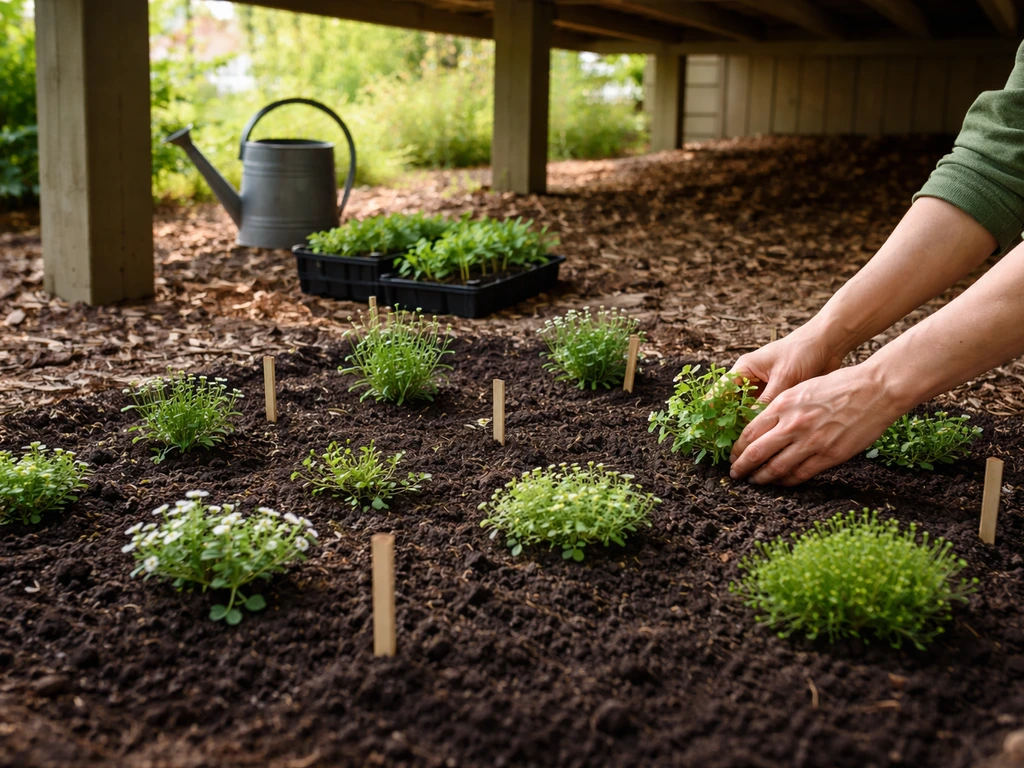
Timing and spacing
Plant perennials and groundcovers in spring (after last frost) or early fall (6 weeks before first frost), when temperatures are mild and plants can establish roots before facing heat or cold stress. Avoid planting in midsummer under a deck: the combination of heat trapped by the deck overhead and dry soil can kill transplants before they establish.
| Plant | Spacing | Light Needed | Moisture Preference | Key Strength |
|---|---|---|---|---|
| Hosta (medium) | 18–24 inches | Deep to partial shade | Moderate, consistent | Reliable, low maintenance |
| Astilbe | 18 inches | Partial shade | Moist, well-drained | Color even in shade |
| Epimedium | 12 inches | Deep shade | Dry to moderate | Handles dry shade and root competition |
| Sweet woodruff | 12 inches | Full to deep shade | Moderate | Spreads to fill gaps fast |
| Pennsylvania sedge | 6–12 inches | Full to deep shade | Moderate | Best grass-like carpet for shade |
| Moss | Spread as needed | Deep shade | Consistent moisture | Zero maintenance once established |
| Autumn fern | 18 inches | Partial to full shade | Moderate to moist | Coppery new growth, evergreen in mild climates |
| Liriope | 12–18 inches | Full to partial shade | Drought tolerant once established | Tolerates foot traffic and dry shade |
Watering rhythm
New plantings need consistent watering every 2 to 3 days for the first 4 to 6 weeks. After that, established shade plants generally need less water than sun-grown plants because they transpire more slowly, but under a deck that blocks rain, you still need to water manually. Check the soil 2 inches down: if it feels dry, water deeply. If it feels damp, wait. Over-watering in low-light conditions is a real problem because plants are photosynthesizing less and using water more slowly.
Seasonal care
- Spring: Cut back any dead foliage from the previous year, refresh the compost layer, and check that the soil has not become compacted over winter. This is the best time to plant or divide overcrowded perennials.
- Summer: Focus on watering and keeping an eye out for slugs, which love the damp, shaded conditions under decks. Diatomaceous earth or iron phosphate bait works well without harming pets.
- Fall: Leave hosta and fern foliage in place until after a hard frost, then cut back. The decaying leaves add organic matter back into the soil. Apply a light layer of shredded leaf mulch for winter insulation.
- Winter: Most of these plants are dormant and need nothing. Remove any leaf litter that has blown in and packed against the deck structure, which can harbor pests and disease.
Troubleshooting common problems
- Plants are leggy and reaching toward the edge of the deck: This is a light-seeking response. The spot is darker than your plants need. Move to a brighter edge position or add supplemental LED light.
- Yellowing leaves on hostas or ferns: Usually overwatering combined with poor drainage. Check that soil drains within an hour of watering. If not, amend with more compost or switch to containers.
- White powder on leaves: Powdery mildew from poor airflow. Remove affected leaves, improve ventilation, and avoid wetting foliage when watering.
- Nothing grows, soil stays bare: Soil is likely too compacted, too dry, or too depleted. This calls for a full soil overhaul before replanting, or switch entirely to containers with fresh potting mix.
- Groundcover spreads way too aggressively: Ajuga and sweet woodruff can escape beyond the deck edges. Edge them with a sharp spade each spring to keep them contained.
The under-deck space is genuinely one of the trickier spots in any yard, but it is far from hopeless. Once you know your actual light level, fix the soil, and choose plants that are honest deep-shade performers rather than wishful ones, you can turn a bare, muddy spot into something that looks deliberate and even beautiful. Start with one or two reliable plants like hostas or epimedium, get them established, and expand from there. That trial-and-error approach is how most experienced gardeners build out difficult spaces anyway.
FAQ
How do I know if it’s truly deep shade under my deck, not just “a little shady”?
Check the same spots at three times (8 a.m., noon, and 3 p.m.) and watch for whether any direct sun reaches the ground. If you get essentially no direct light at all across those checks, treat it as deep shade. If you see even brief sun streaks or bright patches, classify it as partial shade and you can expand your plant list.
Can I use a lux meter app as a decision tool, or do I need a real lux meter?
A smartphone lux app is a useful starting point to compare areas under the deck, but it can be inconsistent between phones and lighting conditions. Use it comparatively, not absolutely, meaning pick a “best spot” and a “worst spot” and choose plants based on the relative difference. If your reading is under about 500 lux most of the day, deep-shade options are the safer bet.
What should I do if the soil under the deck stays dry even when it’s rained nearby?
Decks often block rainfall, so the “under-deck bed” can behave like a roofed dry zone. The fix is usually a planned watering setup (soaker hose on a timer) plus a moisture-holding amendment like compost. Avoid relying on overhead sprinklers or occasional hand watering, they tend to miss the consistent root-zone moisture shade plants need.
Is it better to plant in the ground or use containers under a deck?
Containers are often better when soil is compacted, root-choked, or low in organic matter (common near deck posts and framing). In-ground planting can work if you can amend 6 to 8 inches deeply and create good drainage. If you are unsure about drainage, start with containers so you can control soil mix and move plants if light is worse than expected.
Why do my shade plants keep getting leaf spots or mildew under the deck?
Foliage stays wet longer under deck covers, and tight airflow increases fungal pressure. Water at the base instead of spraying leaves, improve cross-ventilation by leaving gaps where possible, and avoid thick wood-chip mulch that can hold moisture too long. If symptoms persist, treat early in the morning with a diluted neem solution so leaves dry before nightfall.
Can I grow edible plants under a deck with little sunlight?
Some greens tolerate shade (like certain lettuces or herbs), but true “deep shade” usually won’t support consistent harvests. In very low light, edible growth may be weak and slow unless you add supplemental LED lighting and you use containers with rich soil. If you want edible results, measure lux and plan on LEDs if you are frequently below about 500 lux.
How far above the plant should an LED grow light be mounted under a deck?
For most foliage plants, hang the light about 12 to 24 inches above the canopy. Positioning matters because intensity drops quickly with distance, and too close can overheat or burn leaves. If your plants look pale despite growth, lower the light slightly or increase daily hours using a timer.
What container size and watering schedule work best for low-light deck plantings?
Choose containers at least 12 inches wide and deep for perennials so soil doesn’t swing between bone-dry and overly wet. Use a schedule for the first several weeks after planting, then check moisture by feel 2 inches down. If the soil is dry, water deeply, if it’s damp, wait, overwatering is a common failure in low-light conditions.
Should I use mulch under a deck, and what type is safest for shade groundcovers?
Use a thin to moderate layer (around 2 inches) of shredded bark or leaf mold to conserve moisture without suffocating plants. Skip very thick wood-chip layers, they can stay wet and reduce airflow around groundcovers. Keep mulch a small distance away from plant crowns to prevent rot.
What’s the quickest “upgrade” if my deck plants are failing after I planted the wrong kinds?
The fastest improvement is often diagnosing the real light first, then correcting moisture and soil. Add compost into the top 6 to 8 inches, install a soaker hose with a timer, and confirm airflow (skirting gaps) before replacing everything. Then replant with proven deep-to-partial shade plants rather than shade “tolerant” varieties that are marketed broadly.