
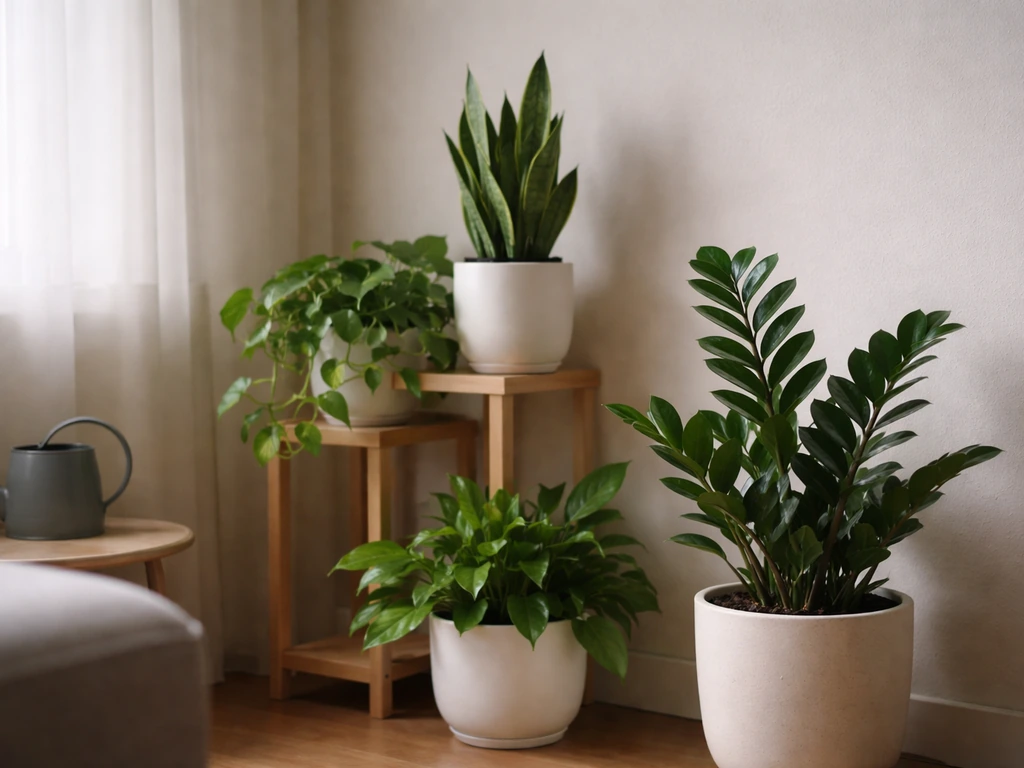
Quite a few plants genuinely thrive in low-light indoor conditions. ZZ plants, snake plants, pothos, peace lilies, cast iron plants, Chinese evergreens, and heartleaf philodendrons are all reliable performers in rooms that get little to no direct sun. Can plants grow in indirect sunlight? Yes, many houseplants do well in bright, filtered light or a few feet back from a window. These aren't just plants that "survive" in dim corners, with the right care adjustments, they'll look good and grow steadily even in north-facing rooms or spaces far from any window.
What Plants Grow Well With Little Sunlight Indoors
Marcus Hartley
5 Jun 2026
What "little sunlight" actually means indoors
"Low light" means different things to different people, so let's get specific. Plant scientists measure indoor light in foot-candles (fc), one foot-candle is roughly the amount of light from a single candle one foot away. According to the University of Maryland Extension, true low-light conditions fall between 25 and 100 fc. Missouri Extension puts the workable low-light band a bit wider, at 50 to 250 fc, and notes that growth in this range is more about maintenance and survival than vigorous new growth. Either way, we're talking about spaces that feel dim to a human eye.
In practical home terms, low light looks like this: a spot more than 6 to 8 feet from any window, a north-facing windowsill that never sees direct sun, a bathroom with a small frosted window, or a home office lit mainly by overhead fluorescent tubes. If you need to turn on a lamp to read comfortably during the day, that's a low-light space by plant standards too.
Your plants will also tell you if they're not getting enough light. Watch for these signs of light deficiency:
- Leggy, elongated stems reaching toward the nearest window
- Smaller-than-normal new leaves
- Leaves losing variegation and turning uniformly green (the plant is maxing out chlorophyll to capture more light)
- Very slow or zero new growth over several months
- Yellowing lower leaves combined with no other obvious cause like overwatering
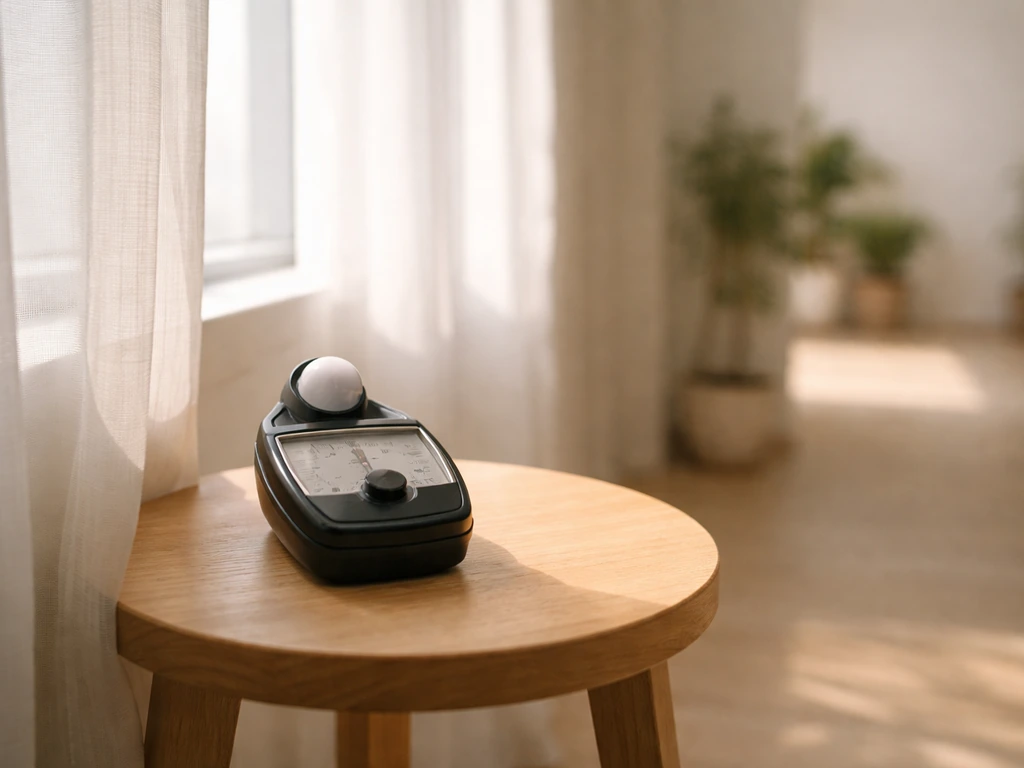
If you want a number, a basic light meter (or a smartphone app like Photone) can give you a foot-candle reading in seconds. It takes the guesswork out and helps you match plants to spots with real data instead of optimism.
The best low-light plants for homes
Here's a curated list broken down by type, because "low-light plants" covers a lot of ground. I've grown most of these myself in apartments with north-facing windows, so these recommendations come from experience as much as research.
Easy foliage plants
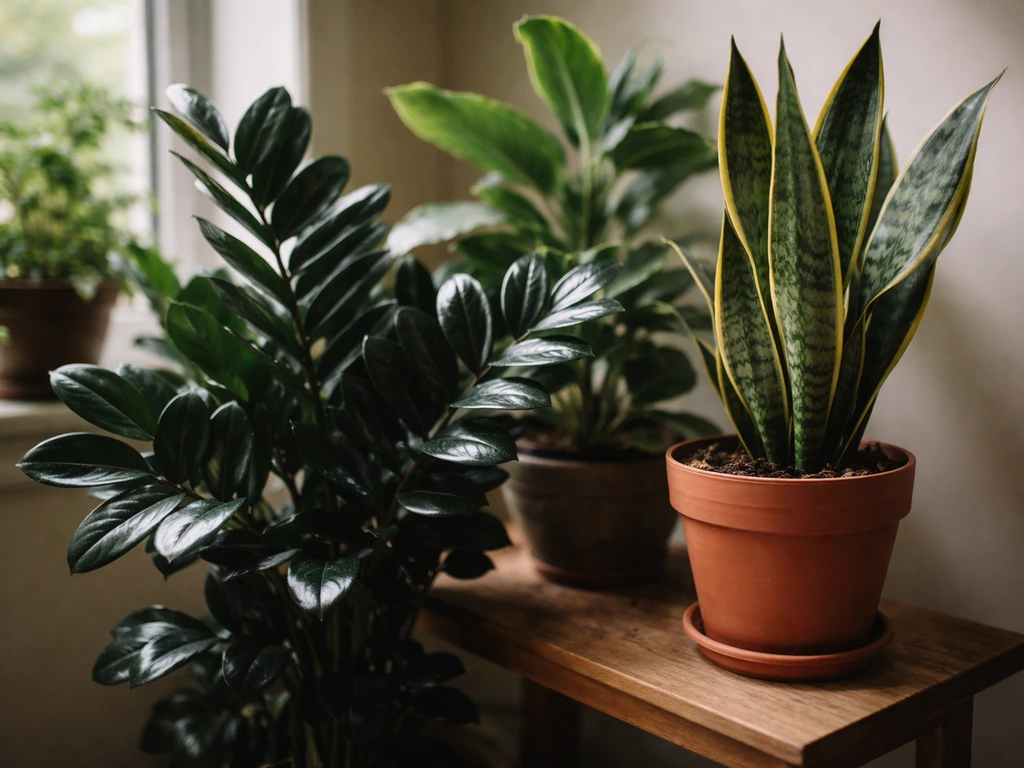
- ZZ plant (Zamioculcas zamiifolia): Handles 25–50 fc comfortably, stores water in its rhizomes, and practically ignores neglect. One of the most genuinely low-light-tolerant plants you can buy.
- Snake plant (Sansevieria / Dracaena trifasciata): Tolerates low light and low humidity, survives underwatering, and stays upright and tidy. Growth slows significantly below 50 fc but the plant stays healthy.
- Cast iron plant (Aspidistra elatior): Named for a reason — this plant handles dark corners, temperature swings, and erratic watering better than almost anything else.
- Chinese evergreen (Aglaonema): Darker-leaved varieties like 'Maria' or 'Silver Bay' handle 25–75 fc well. More colorful cultivars (pinks, reds) need brighter light to keep their color.
- Heartleaf philodendron (Philodendron hederaceum): Trails or climbs in low light, grows faster than you'd expect for a shade plant, and forgives irregular watering.
- Pothos (Epipremnum aureum): Technically medium-light by Illinois Extension's classification, but pothos is so adaptable that golden or jade varieties do fine in dim spots. Avoid trying to keep highly variegated cultivars like 'Marble Queen' in low light — they'll revert to green.
Low-light flowering plants
- Peace lily (Spathiphyllum): One of the few flowering plants that actually blooms in low light — 25–75 fc is workable, though blooming is more reliable closer to 100 fc. Droops dramatically when thirsty, which makes watering easy to time.
- Anthurium: Tolerates lower light than most flowering plants, though blooms will be less frequent. Good for medium-low light (around 75–100 fc) near a north or east window.
- Flamingo flower and bromeliads: Some bromeliad varieties are surprisingly shade-tolerant and add color without needing direct sun.
Herbs and edibles (be realistic here)
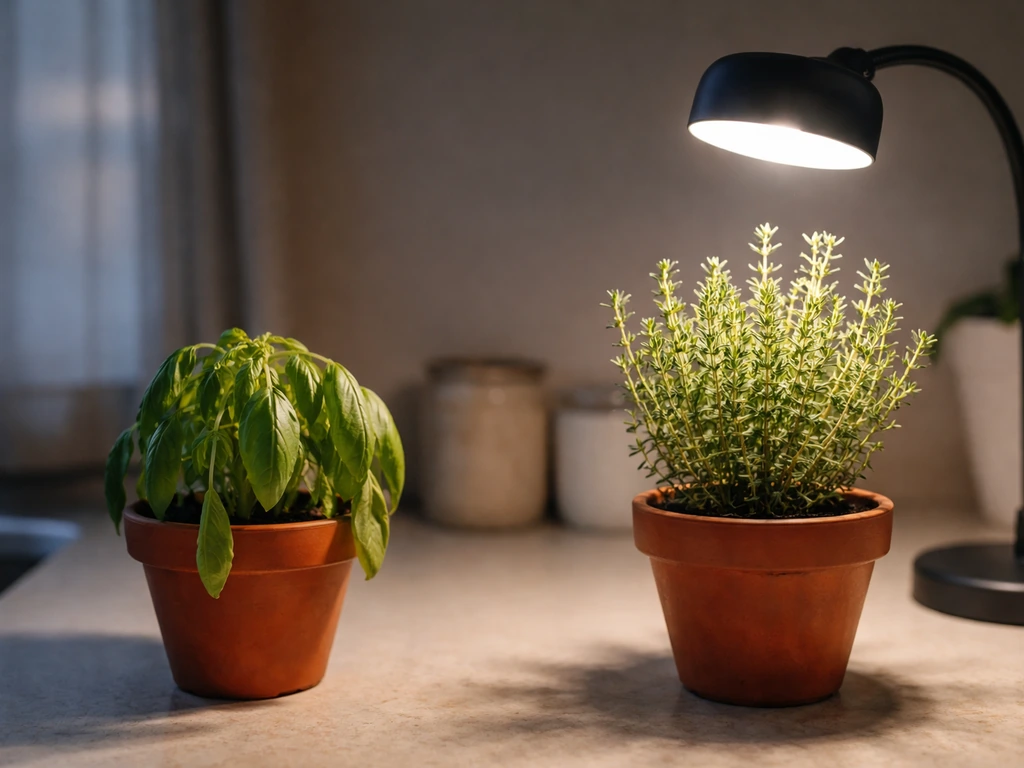
I want to be straight with you: most culinary herbs need far more light than a low-light room can provide naturally. Basil, rosemary, and thyme want 500+ fc and will fail fast in dim conditions. That said, mint can limp along in medium-low light, and chives handle lower light better than most. If you want to grow herbs indoors with little sunlight, you almost certainly need a grow light, more on that below. Without supplemental lighting, stick to foliage and flowering plants and manage expectations.
Low-maintenance picks if you want to set-and-mostly-forget
- ZZ plant: Water every 2–4 weeks, no humidity requirements, tolerates dust on its leaves
- Snake plant: Water monthly in winter, every 2–3 weeks in summer, handles dry air
- Cast iron plant: Water when soil is dry, feeds sparingly, basically indestructible
- Pothos: Water when top inch of soil is dry, trim to keep tidy, propagates easily in water
Shade-tolerant vs. shade-loving: what to actually expect
There's a useful distinction worth making here. "Shade-tolerant" means a plant can survive and look decent in low light but would grow faster and lusher with more. "Shade-preferring" (or genuinely low-light-adapted) means the plant actively performs well under dim conditions and may even suffer in bright direct sun. Most of what you'll find labeled as "low-light" at a garden center are shade-tolerant, not shade-preferring, and that matters for your expectations.
| Plant | True light preference | What to expect in low light (25–100 fc) | What to expect in medium light (100–300 fc) |
|---|---|---|---|
| ZZ plant | Low to medium | Slow but steady growth, stays healthy | Noticeably faster growth, more frequent new stems |
| Snake plant | Low to medium | Minimal growth, but stays upright and healthy for years | More leaves, better color |
| Cast iron plant | Low | Performs well, one of the best true low-light plants | Fine, but no dramatic improvement |
| Peace lily | Low to medium | Survives and may bloom occasionally | Blooms more reliably, more frequent flowers |
| Pothos | Medium (adapts to low) | Grows slowly, may revert variegation to solid green | Thrives, keeps patterns in variegated types |
| Chinese evergreen | Low to medium | Good color on dark-leaved varieties, slow growth | Better growth, more frequent new leaves |
| Heartleaf philodendron | Low to medium | Trails steadily, resilient | Grows faster, larger leaves |
The honest takeaway: almost every plant grows better with more light. The honest takeaway is that most plants grow better with more light, which is why the question do plants grow better in sunlight matters even for indoor setups. Low-light plants aren't thriving in darkness because they love it, they've evolved to make do with less. That extra sunlight helps plants drive photosynthesis more efficiently, which is why growth often accelerates when light levels rise why do plants grow better in sunlight. If you can nudge your light levels up even a little, your plants will notice. That's where placement and artificial lighting come in.
Placement tips that actually make a difference
Windows and distance
Light intensity drops off fast as you move away from a window. A spot right at a north-facing window might measure 75–150 fc on a clear day. Illinois Extension’s houseplant lighting guidance also uses foot-candles and lists a practical low-light band of about 75 fc for indoor conditions 75–150 fc on a clear day. Move 4 feet back and you could be down to 25–50 fc. Move 8 feet back and you may be below the threshold where most plants can photosynthesize efficiently. This is why distance from the window matters more than most people realize. Even in a low-light room, positioning plants as close to the window as physically possible makes a meaningful difference.
Window direction matters a lot. North-facing windows in the Northern Hemisphere get no direct sun at all, they're your true low-light scenario. East-facing windows get gentle morning sun (often 200–500 fc for a few hours), which works well for many "low-light" plants since it's not harsh. South and west-facing windows are generally too bright for true shade plants without a sheer curtain to diffuse the light.
Seasonal changes
Don't set your plants and forget them year-round. Light levels inside your home shift dramatically between summer and winter, in some northern climates, a north-facing room can lose 50% or more of its natural light intensity between June and December. Low-light plants that were doing fine in summer may struggle by January. Move plants closer to windows in fall, cut back on watering and feeding (more on that below), and consider supplemental grow lights during the darker months.
Rotation
Rotate your plants a quarter turn every week or two. Plants grow toward light (phototropism), and without rotation you'll end up with lopsided growth. A slow, even rotation keeps growth symmetrical and makes sure all sides of the plant get their share of whatever light is available.
Using grow lights to top up a low-light space
If your space genuinely sits below 50 fc and you want to grow something beyond the most forgiving ZZ plant, a grow light is a practical fix, not an extravagance. You don't need a complicated setup. A simple LED or fluorescent bulb positioned correctly can double or triple the light your plants receive and open up a much wider range of species.
LED vs. fluorescent: which should you use?
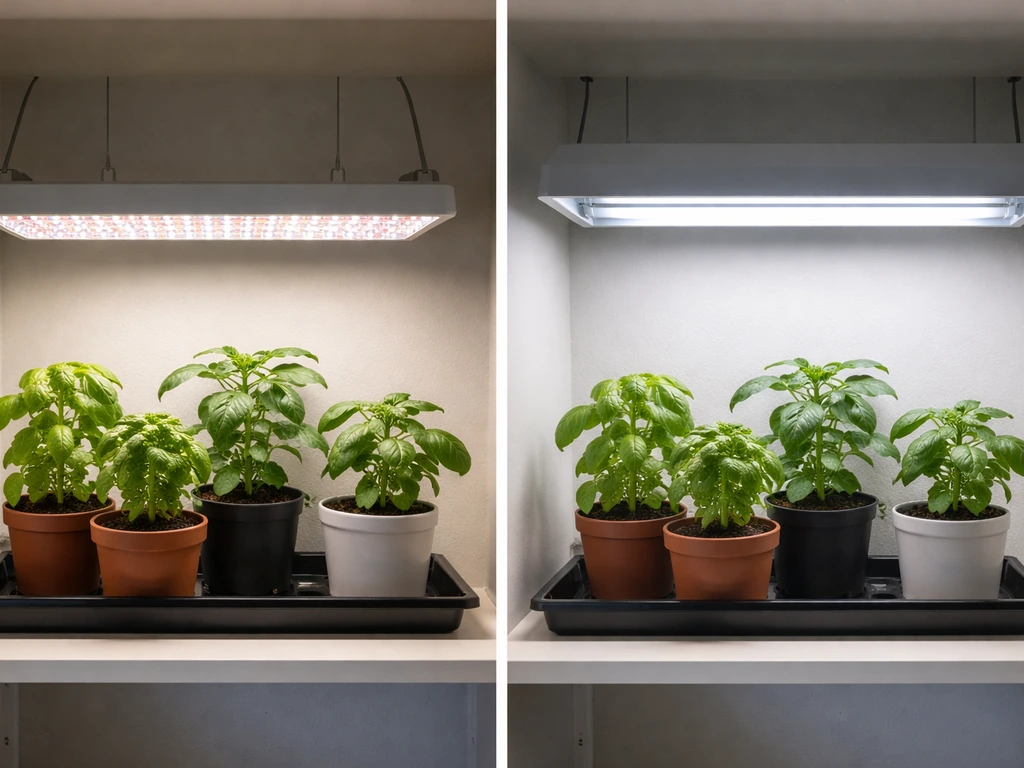
| Factor | LED grow lights | Fluorescent (T5/T8) tubes |
|---|---|---|
| Energy efficiency | Much better — uses 40–60% less energy than fluorescent for equivalent output | Decent, but LEDs are now clearly superior |
| Heat output | Low — can sit closer to plants without burning leaves | Moderate — needs more distance from foliage |
| Light spectrum | Full-spectrum LEDs cover what plants need; look for 3000K–6500K or 'full spectrum' labeling | Full-spectrum T5s work well; standard cool-white fluorescents are acceptable for low-light plants |
| Cost upfront | Higher (typically $20–$80 for a basic panel or bulb) | Lower ($10–$40 for fixtures and tubes) |
| Lifespan | 50,000+ hours typically | 10,000–20,000 hours |
| Best for | Long-term setup, herbs, plants needing higher light output | Budget setups, office environments, supplemental top-up for foliage plants |
For most low-light indoor plant situations, a full-spectrum LED bulb in a standard clamp lamp or floor lamp is all you need. Look for bulbs labeled "full spectrum" in the 4000K–6500K color temperature range. Position the light 12 to 24 inches above the plant canopy, and run it for 12 to 14 hours a day using a simple plug-in timer. That routine will push most dim spaces into the 75–150 fc range, which is enough to make a real difference for foliage plants and even peace lilies.
If you want to grow herbs indoors without natural sun, step up to a dedicated LED grow light panel and position it 6 to 12 inches above the plants. Herbs like basil need closer to 500–1000 fc to grow well, and a basic clamp lamp won't cut it for that.
Care adjustments for low-light conditions
Plants in low light aren't just growing more slowly, their entire metabolism is running at a lower rate. That changes what they need from you, and the biggest mistake people make is caring for a dim-corner plant the same way they'd care for a sunny windowsill plant. Here's what to adjust:
Watering
Water much less frequently than you would for the same plant in brighter conditions. Low light means slower photosynthesis, which means slower water uptake, which means the soil stays wet far longer. Overwatering is the number one killer of low-light plants, not the darkness itself. Always check the soil before watering (stick your finger 1 to 2 inches in, if it's still damp, wait). In winter or very dim spaces, some low-light plants like ZZ and snake plant can go 3 to 4 weeks between waterings.
Fertilizer
Feed sparingly. A slow-growing, low-light plant doesn't need much nutrition, and over-fertilizing a plant that can't process the nutrients quickly will cause salt buildup in the soil and root damage. Use a balanced liquid fertilizer at half the recommended dose, and only feed during the active growing season (roughly April through September). Skip fertilizing entirely in winter for most low-light plants.
Growth expectations
Be honest with yourself: low-light plants grow slowly. A ZZ plant in a dim corner might put out three or four new stems a year. A peace lily might only bloom once. That's not failure, that's what these plants do in those conditions. If you want faster growth, either move the plant closer to light or add a grow light. Don't respond to slow growth by watering or feeding more, that usually makes things worse.
Preventing leggy growth and pests
Leggy, stretched growth happens when a plant is reaching for more light than it's getting. The fix is more light, not pruning, though pruning the long stems will temporarily tidy things up. For pests, low light and overwatered soil are a perfect combination for fungus gnats, which lay eggs in moist potting mix. Letting the soil dry out more between waterings is your best defense. Spider mites, on the other hand, prefer warm, dry conditions. Good air circulation and occasional wiping of leaves with a damp cloth goes a long way for both problems.
Quick recommendations by room and conditions
Here's where to put what, matched to the real rooms and light situations people actually deal with.
| Space / Condition | Light reality | Best plant picks | Notes |
|---|---|---|---|
| North-facing room | 25–75 fc naturally; the darkest typical indoor scenario | ZZ plant, cast iron plant, snake plant, Chinese evergreen (dark varieties) | Add a full-spectrum LED lamp if you want more than one plant |
| Bathroom (small window, frosted glass) | 25–100 fc, higher humidity | Peace lily, heartleaf philodendron, pothos, ZZ plant | Humidity is a bonus for peace lily and philodendron; watch for overwatering |
| Office with no windows or only overhead lighting | 25–50 fc from fluorescent ceiling lights alone | Snake plant, ZZ plant | Seriously consider a small LED desk grow light if you want variety |
| East-facing room (morning sun only) | 100–300 fc for a few hours, then drops | Pothos, Chinese evergreen, anthurium, heartleaf philodendron, peace lily | Most 'low-light' plants thrive here — it's actually ideal |
| West or south room behind a sheer curtain | 100–300 fc filtered | Pothos, Chinese evergreen, peace lily, some bromeliads | Good conditions — more options open up |
| Seasonal low light (northern winter) | Anywhere can drop by half or more | Stick to ZZ, snake plant, cast iron; supplement others with grow lights | Run grow lights on a timer for 12–14 hrs/day Oct–March |
If you're starting fresh, buy a light meter app or cheap handheld meter before buying plants. Measure your space at the spot you want to put the plant, at midday on a cloudy day (the more conservative reading). Match that number to the plant's actual light needs, not its marketing label. That one step will save you more plants than any other advice here.
One last thing worth noting: if you're curious why plants perform so differently under indirect sunlight versus direct sun, or whether artificial light can fully substitute for the real thing, those are great rabbit holes to explore, the science behind why plants grow better in sunlight, and whether indirect sunlight is ever enough, both connect directly to getting the most out of your low-light space. Understanding the basics makes it a lot easier to troubleshoot when something isn't working. When you're trying to grow plants under a deck with little sunlight, the same low-light rules apply: measure how dim the spot is and choose shade-tolerant plants accordingly.
FAQ
How do I tell the difference between low-light stress and overwatering in my dim room?
Low light usually causes slow growth and gradual leaf yellowing, while overwatering more often brings persistent wilting with wet soil and leaves that turn mushy or translucent. Check by feel first, if the potting mix is still damp 1 to 2 inches down, hold water regardless of what the plant “looks like.”
What is the safest watering schedule for low-light plants when I’m unsure?
Use the soil test every time, do not rely on a fixed calendar. For most low-light foliage plants, water only after the mix dries meaningfully, then water thoroughly until excess drains, and empty the saucer so the roots never sit in water.
Do grow lights need to be “full spectrum,” or will any LED work?
For low-light spaces, “full spectrum” bulbs are a practical choice, especially 4000K to 6500K, but the bigger factor is intensity at the leaves and correct height. If you cannot measure foot-candles, keep the light close (about 12 to 24 inches for foliage, closer for herbs) and use a timer for consistent daily duration.
How long should I run a grow light for plants in a low-sun room?
A common starting routine is 12 to 14 hours per day, then adjust based on response. If you see leaf scorching or very fast, stretchy growth, reduce time or increase distance slightly; if nothing changes after a couple of weeks, increase brightness or extend duration a bit.
Will low-light plants tolerate being moved closer to a window or outdoors in summer?
Usually yes for shade-tolerant plants, but transitions should be gradual to avoid sunburn. Move them a few feet closer over 1 to 2 weeks, or increase light exposure for short periods first, especially for plants that have been in near-zero direct sun.
What causes fungus gnats indoors, and how do I prevent them in low-light setups?
They thrive when potting mix stays consistently moist, which is common in dim corners. Let the top layers dry between waterings, use a well-draining mix, and consider sticky traps to interrupt the life cycle while you adjust watering.
If my low-light plant is getting leggy, should I prune immediately?
You can prune for appearance, but the real fix is increasing usable light (closer to the window or stronger grow light). Cutting long stems before improving light often leads to repeat stretching, so treat pruning as temporary tidying only.
Can I grow flowering plants in little sunlight, or is that mostly wishful thinking?
Flowering is possible, but blooms are less predictable in true low-light conditions like a room far from windows. Peace lilies may bloom occasionally, but expect fewer flowers and smaller growth spurts unless you supplement with enough light to reach at least the workable low-light band.
Do north-facing rooms stay low light all year, and what should I change in winter?
Light usually drops sharply in winter, sometimes dramatically, so the same placement that worked in summer may become too dim by January. In practice, move plants closer to the window in fall, reduce watering and feeding further, and consider a grow light if the space falls below the low-light range.
What’s the best way to use a light meter app in real life?
Measure at the exact spot where the plant leaves will be, ideally at midday on a cloudy day for a conservative reading. Then pick plants based on that number, not on what the window looks like from across the room, and recheck if you rotate or move the plant.
How often should I rotate plants in low light?
A quarter turn every week or two is a good baseline. In very low light, turning can matter more, because plants lean toward the brightest available direction, leading to uneven shape if you never rotate.
Why do my ZZ or snake plants get yellow leaves even though they tolerate low light?
Low-light tolerance is not drought-proof or “no-care-required.” Yellowing in these plants is often an overwatering issue or soil that stays wet too long, especially in winter. Confirm drainage is working, reduce watering frequency, and remove any leaves that go mushy.