
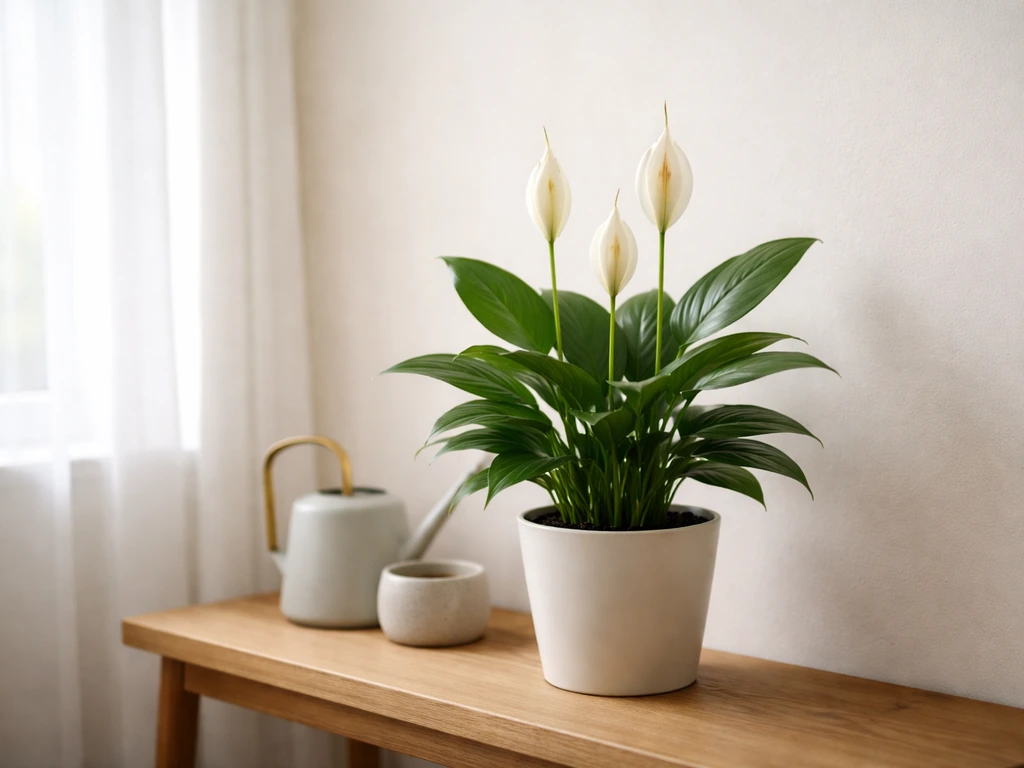
Yes, some flowers can genuinely grow and bloom without direct sunlight, but they still need some light, whether that comes from a bright window, a fluorescent tube, or an LED grow light. The best options for low-light flowering indoors include peace lilies, African violets, anthuriums, impatiens, begonias, orchids (specifically Phalaenopsis), cyclamen, and kalanchoe. These are plants that have evolved in forest understories or shaded environments, so they're built for dim conditions. If your space gets no light at all, flowering isn't realistic without supplemental artificial lighting. But if you have a north-facing window, a shaded room, or a spot away from windows, you have more options than you might think.
What Flowers Can Grow Without Direct Sunlight
Marcus Hartley
11 May 2026
What "no direct sunlight" actually means for flowers
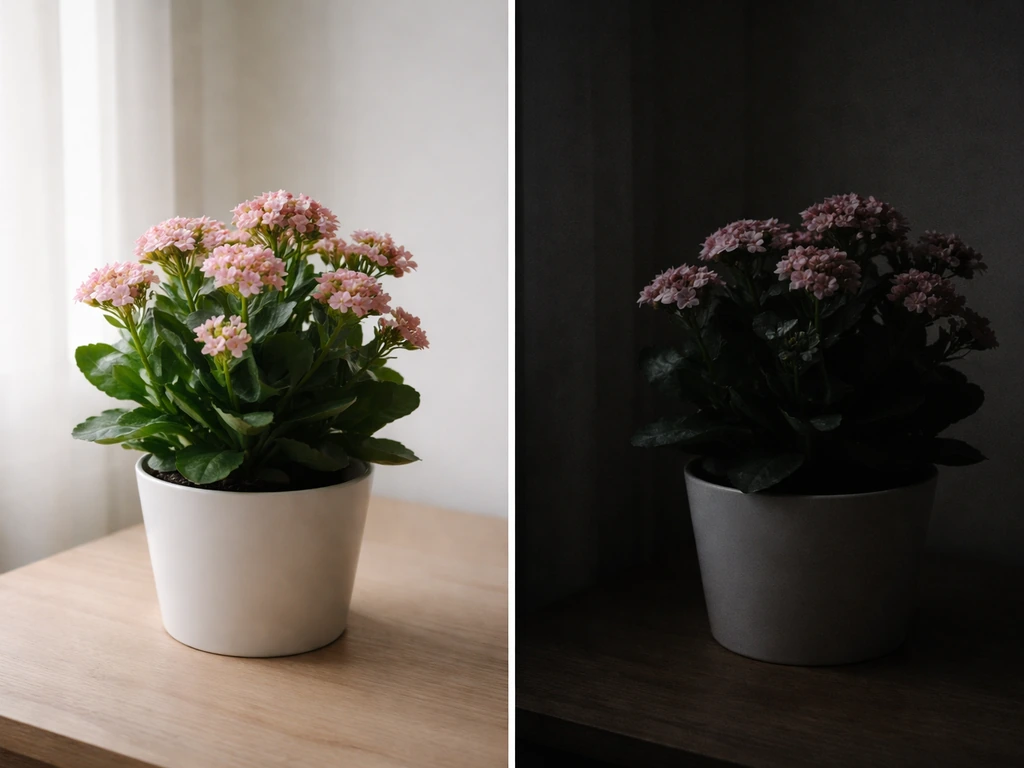
This is the part most people skip, and it causes a lot of confusion. There's a big difference between "no direct sun rays hitting the plant" and "a dark room with no light." Let me break it down clearly, because your flower choices depend entirely on which situation you're in.
- No direct sunlight but good ambient light: This is a bright room where sunlight doesn't hit the plant directly. Think a few feet back from a south- or east-facing window, or near a north-facing window that gets steady daylight. This is "indirect light" or "bright indirect light," and it supports the widest range of flowering plants.
- Low-light conditions: University of Maryland Extension defines this as roughly 25 to 100 foot-candles, typical of north-facing windows or interior rooms with overhead artificial lighting. Plants here are surviving but not thriving on luxury. Fewer flowering plants do well here, but some do.
- Very low or near-zero light: A room with no windows and only a dim overhead bulb, or a basement with no natural light source. Cornell Cooperative Extension describes this as 10 or more feet from any window with no direct light. Most plants struggle here, and flowering is essentially off the table unless you bring in a dedicated grow light.
- True darkness: No photosynthesis, no growth, no flowering. This isn't a gray area. Plants need light the way you need food. There's no flowering plant that can bloom in a dark closet without artificial light.
One more thing worth addressing directly: sunflowers. If you've searched "can sunflowers grow without sunlight," the honest answer is no, not well. Sunflowers are high-light plants that need 6 to 8 hours of strong, direct sun daily. In low-light or indirect-light conditions, they'll stretch, stay small, and almost certainly won't bloom. They're one of the wrong choices for a shaded indoor space. Stick to the plants listed below.
The best flowers for low-light and indirect-light spaces
These are the flowering plants I'd actually recommend for a shaded room or a spot away from a sunny window. They're realistic choices, not wishful thinking. I've grown several of these in apartments where the only natural light came from a north-facing window, and they bloomed reliably with a little help.
| Plant | Light Tolerance | PPFD Range (Flowering) | Bloom Color / Notes |
|---|---|---|---|
| Peace Lily | Low to medium indirect | 50–150 PPFD | White spathes; one of the most forgiving flowering houseplants |
| African Violet | Low to medium indirect | 50–150 PPFD | Purple, pink, white; blooms almost year-round under grow lights |
| Phalaenopsis Orchid | Low to medium indirect | 40–200 PPFD | Wide color range; very adaptable to indoor indirect light |
| Anthurium | Indirect to low | 100–300 PPFD | Waxy red, pink, or white spathes; long-lasting blooms |
| Begonia (wax or rex) | Low to medium indirect | 100–300 PPFD | Pink, red, white; does well under fluorescent light |
| Impatiens | Low to medium indirect | 100–300 PPFD | Bright colors; traditionally a shade flower |
| Kalanchoe | Medium indirect | 200–400 PPFD | Yellow, red, orange; needs a few weeks of short days to rebloom |
| Cyclamen | Cool, indirect | 100–300 PPFD | Pink, red, white; prefers bright indirect light in cool rooms |
| Gloxinia | Indirect | 100–400 PPFD | Rich purples and reds; excellent under grow lights |
The PPFD numbers above come from University of Maine Extension research on houseplant light intensity. PPFD stands for micromoles of light per square meter per second, which is basically a precise measure of how much usable light a plant receives. You don't need to memorize these numbers, but they're useful when shopping for grow lights because most modern LED grow lights list their PPFD output. For the plants in this table, even a modest grow light or a bright north window gets you into the right range.
University of Maine Extension also notes that flowering and fruiting stages generally require higher light intensity than foliage growth, typically 400 to 1,200 PPFD. That's why plants that can bloom in lower light are genuinely special adaptations, and also why some of your flowering plants might stay leafy and green without ever producing a bloom if the light is too weak.
How to actually grow flowers with minimal sunlight (step by step)

Here's the practical process I'd walk anyone through if they came to me saying "I want flowers but my apartment gets almost no sun." It's not complicated, but getting the steps in the right order makes a real difference.
- Assess your actual light level. Stand in the room at midday and hold up your hand about a foot above a piece of white paper. A sharp, clear shadow means bright light. A faint, blurry shadow means low light. No visible shadow at all means very low light, and you'll need a grow light to flower anything reliably.
- Choose a plant matched to that light level. Use the table above as your starting point. If you're in a low-light room, peace lily, African violet, and Phalaenopsis orchid are the safest bets.
- Pick the right pot and soil. Use a pot with drainage holes, sized only slightly larger than the root ball. A too-large pot holds excess moisture, which is especially risky in low light where the plant uses water more slowly. Use a well-draining mix appropriate for your plant: peat-based for African violets, bark-heavy mix for orchids, standard potting mix for peace lilies and begonias.
- Position the plant for maximum ambient light. Even for low-light species, the brightest indirect spot in the room makes a difference. North-facing windows work; rooms with no windows need artificial light from the start.
- Set up supplemental lighting if needed. A simple LED grow light or a full-spectrum fluorescent bulb positioned 6 to 12 inches above the plant for 12 to 16 hours a day can meaningfully boost blooming (more on this below).
- Water according to light levels, not a schedule. In low light, soil dries out more slowly. Check moisture by pushing your finger an inch into the soil. Water when the top inch is dry for most flowering houseplants.
- Wait and observe. Most flowering plants take several weeks to settle into a new environment before blooming. Don't rush it or overcompensate with more water or fertilizer. Give it 4 to 6 weeks and reassess.
Light setups that can replace sunlight for flowering plants
The good news is that plants don't care whether their light comes from the sun or a bulb. They respond to light wavelengths, primarily red and blue, regardless of the source. So if your space doesn't have the light you need, you can build it. Here's how the main options compare.
Window placement
If you have any natural light, maximize it first before spending money on equipment. North-facing windows give the most consistent (if dim) indirect light year-round. South and east-facing windows give brighter indirect light but watch for direct rays that can scorch shade-adapted flowering plants. Sheer curtains diffuse direct sun nicely into the kind of indirect light that African violets and anthuriums love. Placing plants within 3 to 5 feet of a window is almost always better than placing them 10 or more feet back.
Full-spectrum fluorescent bulbs
A T5 or T8 full-spectrum fluorescent tube is one of the most affordable and proven options for low-light flowering. These bulbs produce a broad spectrum that covers the wavelengths plants use for both vegetative growth and flowering. For African violets specifically, a single 40-watt fluorescent shop light placed 6 to 12 inches above the plant for 14 to 16 hours a day is a classic setup that many growers have used for decades. They run cool, so close placement isn't a burn risk. Fluorescents lose intensity with distance quickly, so keep them close.
LED grow lights
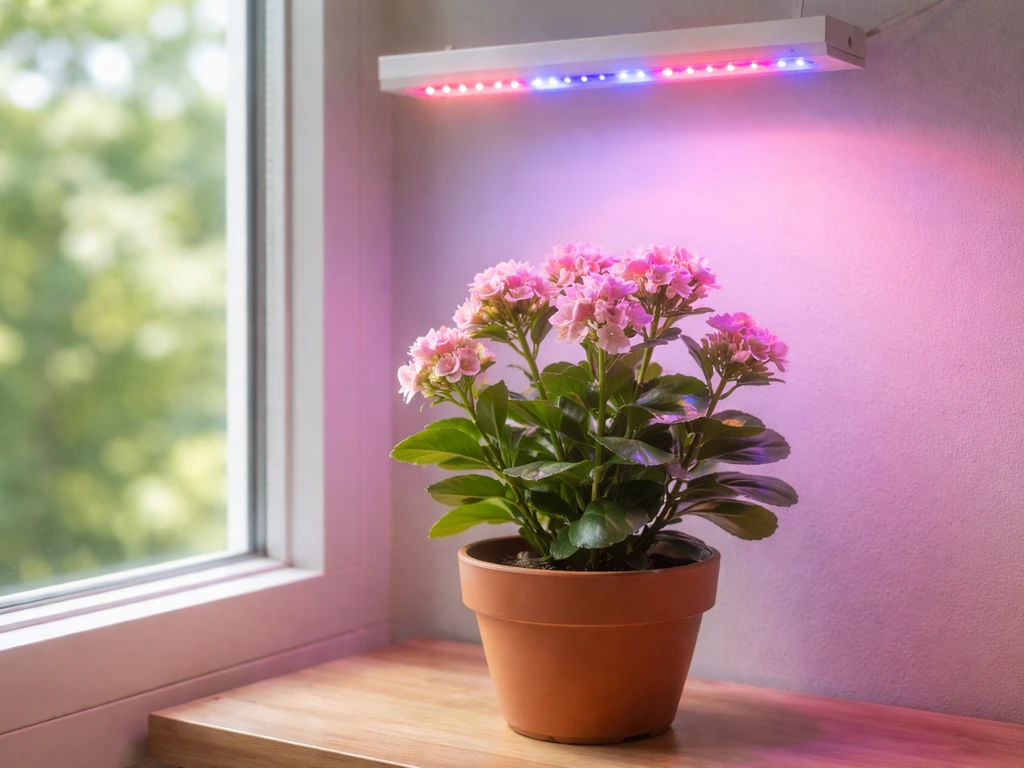
LED grow lights are now the most energy-efficient option and have come way down in price. Full-spectrum LEDs that include both red and blue wavelengths work well for flowering. For the low-PPFD plants in this article (peace lilies, orchids, African violets), you don't need a high-powered light. For trees, sunlight is usually essential, so a “no sunlight” setup is far different from what works for flowering houseplants can trees grow without sunlight. A modest 20 to 45-watt LED panel positioned 12 to 18 inches above your plants, run for 12 to 16 hours a day, is plenty. If you're growing begonias, gloxinias, or kalanchoe and want reliable blooms, bumping up to a 45 to 65-watt panel gives you more margin. Use a cheap outlet timer so you don't have to remember to turn it on and off.
Combining natural and artificial light
You don't have to choose one or the other. In my experience, the best low-light flower setups combine whatever ambient window light exists with a supplemental grow light running for several hours in the morning or evening. Even a weak north window plus a small LED panel gives you a meaningfully better environment than either alone. Think of the grow light as topping up the deficit, not replacing everything.
Care adjustments that make a real difference in low light
Growing flowers in low light isn't just about light. The whole plant care routine shifts slightly when light is reduced, and if you don't adjust, you'll run into problems even with the most forgiving species.
Watering
Low light means slower photosynthesis, which means slower water uptake. Overwatering is the single most common cause of failure with low-light flowering plants. Don't water on a fixed schedule. Check the soil with your finger, and only water when the top inch is dry. For orchids, let the bark mix dry even a bit more between waterings. For African violets, water from the bottom by setting the pot in a tray of water for 20 to 30 minutes, then letting it drain fully.
Fertilizing
Go lighter on fertilizer than you would for a plant in bright light. A half-strength balanced liquid fertilizer every 3 to 4 weeks during the active growing season is a safe baseline for most low-light flowering plants. During winter or if the plant is resting, stop fertilizing altogether. Over-fertilizing in low light tends to produce lush green foliage with no blooms, because the plant uses the nutrients for leaves but doesn't have enough light energy to push into flowering.
Soil and pots
Use a well-draining mix and never let a low-light plant sit in standing water. Drainage is even more critical in dim rooms. Terracotta pots can help by wicking away excess moisture. If you're using a decorative cache pot with no drainage, check it after watering and dump any collected water within 30 minutes.
Spacing and air circulation
Don't crowd low-light flowering plants. Good airflow around the leaves reduces the risk of fungal issues, which are more common in dim, humid conditions. Space plants so their leaves aren't touching, and run a small fan on low nearby if you're growing in a basement or interior room with poor air movement.
Common problems and how to fix them
Leggy, stretched growth
If your plant is growing tall and spindly with long gaps between leaves, it's reaching for more light. UMN Extension lists leggy growth as a classic sign of too little light. University of Maine Cooperative Extension Bulletin #2751 notes that under artificial lights, insufficient light can cause plants to become leggy, and it contrasts more suitable horticulture grow lights with cheaper lights that may not provide enough intensity and the right wavelengths leggy growth as a classic sign of too little light. The fix is to move the plant closer to your light source, whether that's a window or a grow light. If you're using a grow light, lower it by 3 to 4 inches and see if growth tightens up over the next few weeks. You can pinch back leggy stems on begonias and impatiens to encourage bushier growth, but without fixing the light, it'll just stretch again.
Leaves yellowing or pale
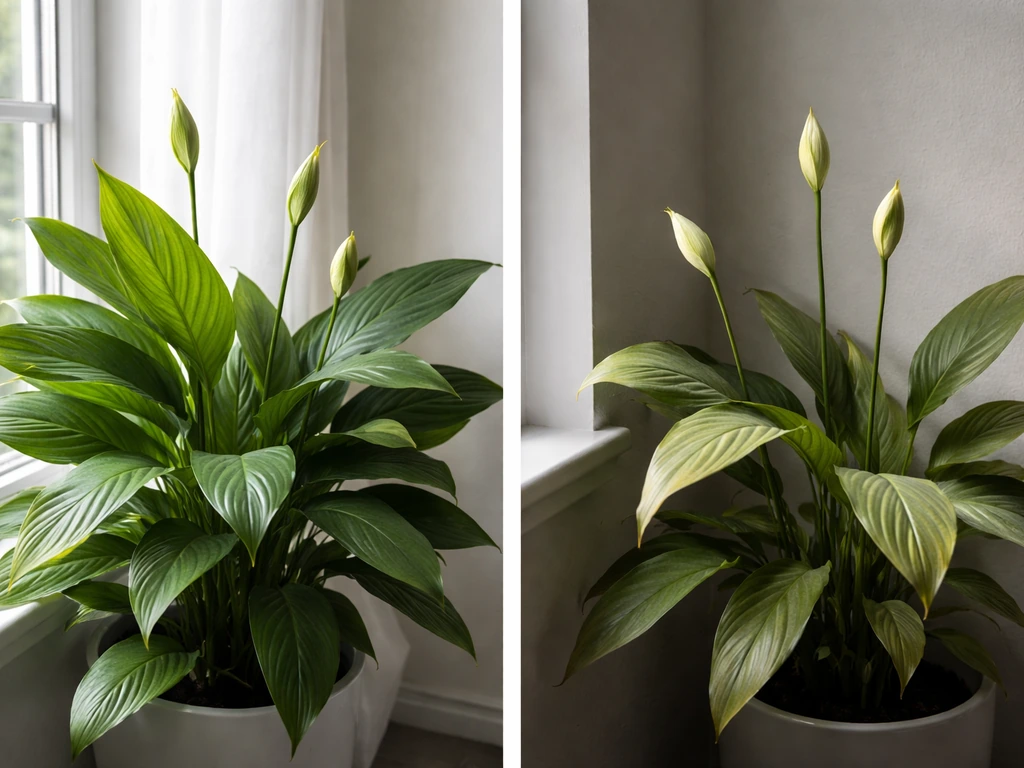
Yellowing leaves in low-light conditions are almost always a combination of insufficient light and overwatering. The plant can't process water it doesn't have the light energy to use, and roots start to suffer. Check the soil moisture first. If roots look brown and mushy, you have root rot and need to trim affected roots, repot in fresh dry mix, and significantly reduce watering frequency going forward. If the roots look healthy, increase light exposure.
Plant isn't blooming
This is the most frustrating problem and the most common. A peace lily or African violet that leafs out beautifully but never flowers is almost always getting insufficient light for the flowering stage. Remember that flowering requires higher light intensity than just staying alive. The fix is almost always more light, whether from repositioning near a window, adding a grow light, or increasing the hours your grow light runs. For kalanchoe and some other species, reblooming also requires a period of long dark nights (12 to 14 hours) for several weeks. If you've had your kalanchoe under grow lights for 16 hours a day all year, it may never rebloom without a deliberate dark period.
Fungal spots or powdery mildew
Dim, humid, poorly ventilated spaces are perfect conditions for fungal problems. If you see white powdery coating or dark spots on leaves, improve airflow first. Space plants out, add a small fan, and avoid getting water on leaves when you irrigate. A diluted neem oil spray applied to affected leaves every 7 to 10 days usually clears up early cases. If the problem is severe, remove affected leaves, treat with neem, and rethink the spacing and humidity situation.
What this means for your specific situation
If you're working with a north-facing window or a shaded room and want actual flowers, your best starting lineup is a peace lily, an African violet under a small grow light, and a Phalaenopsis orchid near whatever indirect light you have. Those three are realistic, beautiful, and forgiving enough that you'll actually succeed. If you're in a darker space like a basement or an interior room with no windows, don't even try without a grow light. If you want to grow without sunlight, you'll typically need a reliable grow light and the right plant choices for low-light flowering. That same principle also applies to an areca palm, which generally needs adequate light and will struggle without sunlight. If you are wondering what plants don't need sunlight to grow, this is why using a grow light can turn low-light spaces into workable conditions. A decent full-spectrum LED panel for under $40 completely changes what's possible. The plants themselves are cheap, so the light is the investment worth making. The broader question of which plants do well without sunlight, whether flowers or foliage, crops or trees, comes down to the same core principle: some light is always necessary. The question is just how little you can get away with, and how to make up the gap.
FAQ
Can I grow low-light flowers in a room that gets daytime light but no direct sun rays?
Yes, as long as the room is bright enough for your plants to receive usable light during the day. If your space only has “lamp-bright” lighting, that often counts as too little for flowering, even though it feels bright to people. A practical check is to see if you can read a book comfortably without turning on lights. If not, plan on adding a grow light and keep it on an hours-based schedule.
How close should a grow light be for low-light flowering plants like peace lilies or African violets?
Keep the light relatively close and consistent, typically around 12 to 18 inches for modest full-spectrum LEDs. For fluorescents, the rule is even tighter, about 6 to 12 inches, because intensity drops quickly with distance. If your plants start getting leggy or pale, raise the light quality or move the light closer, then reassess after a couple of weeks.
Do low-light flowers need a strict “on and off” schedule, or can I just leave the lights on all day?
Use a timer. Many flowering houseplants do better with a stable photoperiod (for example, 12 to 16 hours) rather than random schedules. Leaving lights on too long can also interfere with rest cycles and energy use, and for some species like kalanchoe, a deliberate long dark period is specifically important for reblooming.
Why does my peace lily or African violet stay healthy but never bloom, even though it’s getting some light?
Most of the time, the light is enough to keep foliage alive but not enough for the flowering stage. Look for leggy stretching, pale color, or slow growth as indirect clues that light intensity is still low. The fix is usually increasing either light output (better or stronger light) or duration (more hours per day), then adjusting watering because stronger light also changes how quickly the soil dries.
Is it better to use a grow light or to just move the plants closer to the window?
If you can improve natural light by relocating, do that first, but grow lights are often more reliable. Windows can be consistently dim in winter or when weather is overcast. A practical approach is to place plants within a few feet of the window, then top up with a grow light for a few hours in the morning or evening to cover the “dark gap.”
What’s the most common mistake people make when trying to flower plants in low light?
Overwatering on a fixed schedule. Low light slows photosynthesis and water uptake, so soil stays wet longer, which increases root problems. Use the “top inch dry” check before watering, and for orchids use a bark mix that dries more between waterings.
Should I use fertilizer differently in low light?
Yes. Use a lighter feeding amount and less frequent feeding than you would for bright-light plants. In dim conditions, over-fertilizing often leads to lush leaves with no blooms because the plant cannot convert nutrients into flowering without adequate light energy. Stop fertilizing during winter or rest periods.
How do I know if the plant has too little light versus an overwatering problem?
Leggy growth and failure to bloom usually point to insufficient light. Yellowing leaves can be caused by either, but it often improves your diagnosis by checking soil moisture and, for orchids, the dryness of the bark mix. If roots are brown and mushy, that indicates root rot and you should reduce watering and repot if needed.
Can begonias, kalanchoe, or gloxinias bloom reliably indoors without direct sunlight?
Often yes, but they are generally less forgiving than the most shade-adapted choices unless you provide enough light quality and consistency. If you are relying on artificial lighting, you may need a stronger LED panel and sufficient daily runtime to get dependable blooms. Also keep in mind that some species need specific dark periods to rebloom.
What conditions cause fungal issues more often in low-light flowering setups?
High humidity combined with poor airflow and wet leaves. If you see powdery residue or dark leaf spots, improve spacing and add gentle airflow, like a small fan on low. When watering, try to keep water off foliage. Early cases may respond to diluted neem, but severe infections may require removing affected leaves.
Do flowers need red and blue light, or will any indoor light work?
Plants respond to the light wavelengths they use most efficiently, primarily red and blue. Regular indoor bulbs might not provide enough of those wavelengths or enough intensity for flowering. Full-spectrum grow lights are helpful because they cover a broad range and make it easier to hit the light levels needed for bloom initiation.