
Hoyas can survive in low light, but survival and thriving are two very different things. In a genuinely dim spot, a hoya will stay alive, hold its leaves, and occasionally push out a new vine, but it will grow slowly, flower rarely if ever, and gradually lose the thick, waxy look that makes it so appealing.
Can Hoyas Grow in Low Light? How to Tell and Thrive
Marcus Hartley
9 Jun 2026
If you can measure at least 500–800 lux at your plant's level and give it a decent stretch of bright hours each day, a hoya will do okay. Drop much below that, and you're keeping it on life support rather than growing it. The good news is that with a simple grow light setup, even a north-facing office desk can become a workable home for most hoya varieties.
What "low light" actually means for hoyas indoors
Low light is one of those terms that gets used loosely, so let's put some numbers on it. In practical indoor plant terms, low light is roughly 270 to 800 lux at the plant's canopy level. A north-facing window on a cloudy day, a spot 6 to 10 feet from any window, or the back half of most living rooms all fall into this range. Medium light sits around 800 to 1,600 lux, and bright indirect light that hoyas really want starts around 1,500 to 2,500+ lux.
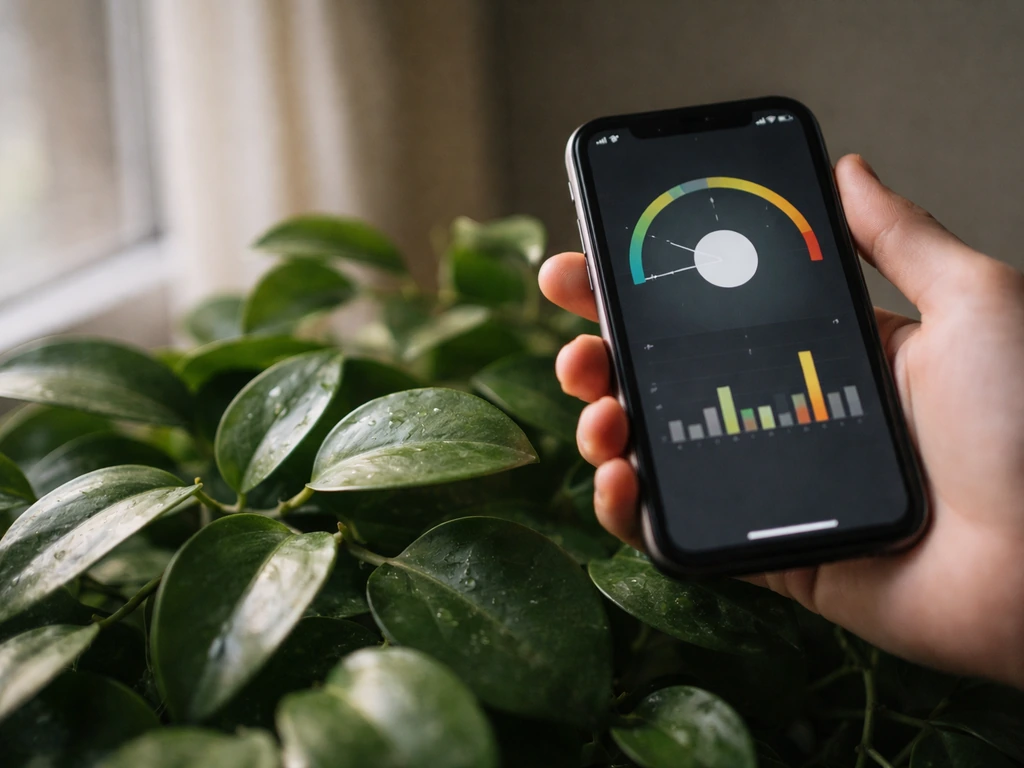
The easiest way to check your spot is to download a light meter app like Photone, which measures PAR/PPFD (the light plants actually use for photosynthesis, measured in µmol/m²/s), daily light integral (DLI), and lux. Hold your phone at the plant's leaf level, and you'll get a real number instead of guessing. A hoya needs a minimum PPFD of around 15–25 µmol/m²/s for basic survival, and 50–100+ µmol/m²/s to grow actively and eventually flower. Most dim indoor rooms deliver well under 20 µmol/m²/s, which is why the 'low light hoya' situation is always a compromise.
The Royal Horticultural Society describes hoyas as needing a bright position indoors, and that's not an exaggeration for their best performance. But hoyas are also fairly patient plants. They won't croak the moment you move them to a shadier corner. They just quietly downshift.
What low light actually does to your hoya
When a hoya doesn't get enough light, you'll notice a cascade of changes that happen gradually, not all at once. Understanding the physiology helps you set realistic expectations instead of wondering if something is wrong with your plant or your watering schedule.
- Growth slows significantly. New leaves may take months to appear instead of weeks, and vines extend very slowly.
- Leaves become thinner and lighter in color. The plant produces less chlorophyll in low light, so the deep waxy green fades to a pale, almost translucent look.
- Etiolation kicks in. The stems stretch toward any available light source, creating long gaps between leaf nodes, a classic sign of insufficient light described as spindly or elongated growth by plant extension researchers.
- Flowering becomes unlikely. Hoyas bloom from structures called peduncles, and without adequate light to build the energy reserves needed to produce flowers, most hoyas simply won't bloom. Low light is one of the most common reasons cited for few or no flowers on indoor hoyas.
- The plant becomes more vulnerable. Weak, slow-growing plants have less vigor to fight off pests and recover from stressors like root disturbance or overwatering.
One important note on flowering: hoyas rebloom from the same peduncles (the little spur-like structures where flower clusters form). If your plant eventually does bloom after a brighter period, never cut those spurs off. Removing them sets back future flowering by potentially years, which matters a lot when your hoya was already struggling to build up enough light energy to bloom in the first place.
The best light sources and locations for hoyas in dim homes
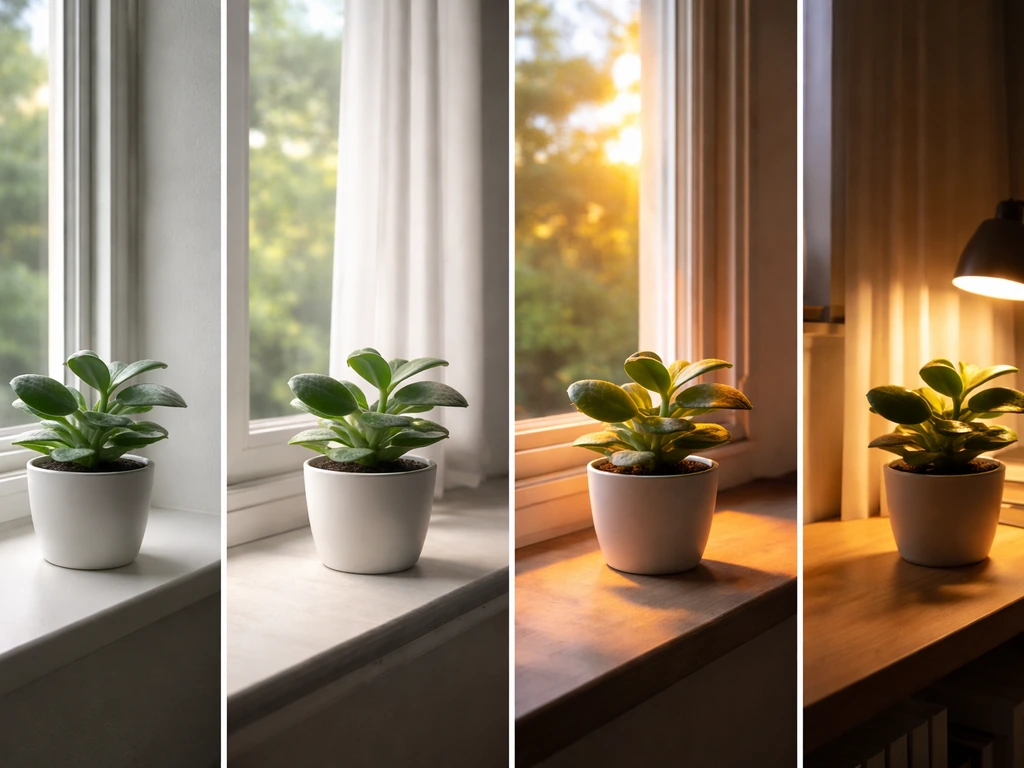
Before you buy anything, work with what you have. Placement tweaks are free, and they can make a meaningful difference. Here's how different light sources and spots compare for a hoya in a low-light home.
| Light source / location | Typical lux range | Hoya verdict |
|---|---|---|
| South or west window, 1–3 ft away | 2,000–5,000+ lux | Ideal. Bright indirect light, possible flowering. |
| East window, 1–4 ft away | 1,000–2,500 lux | Good. Solid growth, occasional flowering. |
| North window, directly at glass | 300–800 lux | Survival zone. Very slow growth, unlikely to flower. |
| 4–8 ft from any window | 100–500 lux | Struggling. Growth nearly stalls, needs supplemental light. |
| Full-spectrum LED grow light | Adjustable, 500–3,000+ lux | Excellent supplement or replacement for window light. |
| Standard fluorescent tube (cool white) | 300–800 lux at 12 in | Adequate for maintaining the plant, not ideal for flowering. |
If you have a north-facing window, put the hoya right on the sill or as close to the glass as possible. If you're also wondering about another houseplant, you may be asking can bird of paradise grow in low light and what it needs to stay healthy there. Even a foot or two of distance indoors can cut available light in half due to how light spreads. Rotate the plant a quarter turn every week or two so all sides get equal exposure and you avoid the lopsided, reaching growth that etiolation causes.
Fluorescent lights can maintain a hoya in a low-light office or interior room, but the spectrum and intensity matter. MU Extension notes that fluorescent fixtures can be sufficient for plants in low- to medium-light ranges, but choosing the right fluorescent spectrum is important for indoor plant performance [Fluorescent lights can maintain a hoya in a low-light office or interior room, but the spectrum and intensity matter. ](https://extension. missouri.
edu/publications/g6515). Standard cool-white tubes skew heavily toward blue wavelengths and lack the red spectrum that supports flowering. Full-spectrum fluorescents do better, but they still typically deliver lower intensity than a decent LED grow light at the same distance. If you're choosing a fixture type for supplementing a dim room, a full-spectrum LED panel will get you further for the same wattage and electricity cost.
How to set up a grow light for your hoya in a low-light room
Adding a grow light transforms a struggling hoya situation, and you don't need anything expensive or complicated. A small full-spectrum LED panel or grow bulb that replaces a standard lamp bulb can be enough for one or two plants.
Choosing the right light
Look for a full-spectrum LED rated between 20 and 45 watts for a single hoya or small collection. Full-spectrum means it covers both blue (400–500 nm) and red (600–700 nm) wavelengths, which supports both leafy growth and, eventually, flowering. Avoid grow lights marketed purely as 'blue spectrum' for seedlings, because the red component is what hoyas need to eventually initiate blooms.
Distance and placement
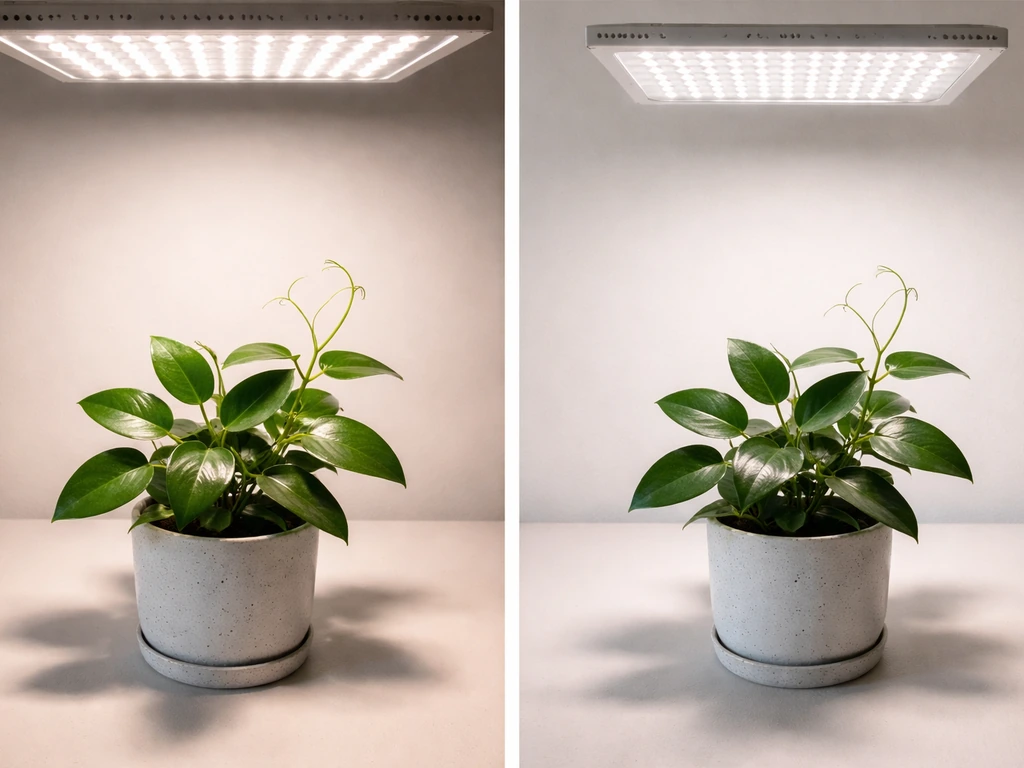
Distance from the light source directly controls how much PPFD reaches your plant's leaves. The further away the light, the lower the intensity. For a hoya that's in the maintenance range (just keeping it alive and slowly growing), position your LED about 12 to 18 inches above the plant's canopy. To push toward active growth and any chance of flowering, bring it to 8 to 12 inches. Use your light meter app at the leaf level to confirm you're hitting at least 50 µmol/m²/s for active growth. Adjust distance rather than guessing.
How long to run the light (photoperiod)
Run your grow light for 12 to 14 hours per day. Hoyas are not strict photoperiod-sensitive plants the way some species are, but consistent light duration matters for building up daily light integral (DLI), which is the total amount of light your plant receives over a full day. A timer is worth the few dollars it costs, because consistency matters more than intensity alone. Turn the light off at night; plants use the dark period too. If you're combining a north window with a grow light, run the light during the same hours as daylight and let the window add whatever it can on top.
Signs your hoya is telling you it needs more light
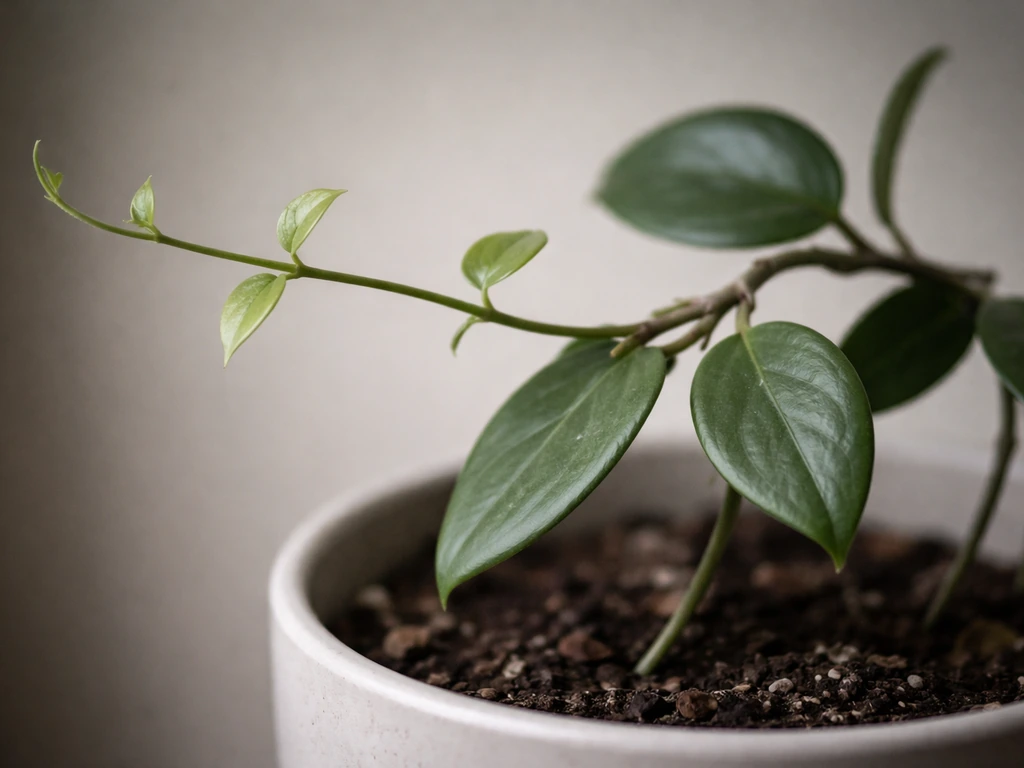
Hoyas don't complain loudly, but once you know what to look for, the signals are pretty clear. Here are the main ones to watch for, roughly in order of how urgently they call for action.
- Long gaps between leaves on new vines. If new growth is stretching out with inches of bare stem between nodes, that's etiolation. The plant is reaching for light it isn't finding. This is the most obvious sign.
- Pale or yellowing leaves on new growth. Older leaves yellowing can happen for various reasons, but if new leaves emerge pale green or almost white, the plant isn't producing enough chlorophyll due to insufficient light.
- No new growth for several months during the growing season. Some slowing in winter is normal, but if spring and summer come and go without a single new leaf or vine extension, light is almost certainly the issue. Check for compacted or old potting mix as a secondary cause.
- Leaves becoming noticeably thinner and softer. Hoyas are semi-succulent and their leaves should feel substantial. Thin, floppy new leaves point to low light reducing the plant's ability to build leaf tissue.
- No flowering after two or more years. If your hoya is established and has never bloomed, and you've ruled out the peduncle-removal issue, light is the likely culprit.
- Increased pest pressure. Scale, mealybugs, and fungus gnats tend to target weakened plants. If you're fighting repeated pest issues on an otherwise well-cared-for hoya, poor light may be contributing to its reduced vigor.
Care tweaks that help hoyas survive dimmer conditions
Light affects everything else about how you care for a hoya. If you adjust your lighting but keep caring for the plant the same way you would in a bright room, you can accidentally create new problems. Here's what to shift.
Water less frequently
A hoya in low light grows more slowly and uses water more slowly. The soil will stay wet much longer between waterings than it would near a bright window. Overwatering in low light is extremely common and is one of the fastest ways to kill an otherwise patient plant. Always check the soil at least 2 inches deep before watering, and in winter or very dim conditions, you may only be watering every two to three weeks. When in doubt, wait another few days.
Back off on fertilizer
Plants in low light grow slowly, and slow-growing plants don't need much feeding. Fertilizing at full strength when your plant is barely moving is a recipe for salt buildup in the soil, which stresses roots further. If you fertilize at all during the growing season, use a balanced liquid fertilizer at half strength, applied monthly at most. Skip fertilizing entirely in winter unless you've added a grow light that's producing meaningful growth. University extension guidance consistently supports this: reduce feeding when growth slows under low-light conditions.
Keep the mix well-draining
Hoyas want excellent drainage at the best of times, and this becomes even more critical in low light when water sits in the pot longer. A standard potting mix is often too dense. Add perlite (aiming for roughly 30 to 50% by volume) or use a dedicated aroid or cactus blend. If your hoya has been in the same pot for two or more years and growth has stalled, compacted potting mix may be contributing alongside low light. A refresh of the mix can make a noticeable difference even before you solve the light problem.
Choose the right hoya variety for dimmer spots
Not all hoyas handle low light equally. If you are wondering about another popular houseplant, can wandering jew grow in low light, the same general idea applies: it can survive but it needs enough light to keep growing well. Can parlour palms grow in low light too, or do they need brighter conditions to stay healthy? Solid green-leaved varieties like Hoya carnosa and Hoya australis tend to tolerate lower light better than variegated types, which need more light because the white or yellow portions of their leaves contain less chlorophyll and do less photosynthesis. If you're working with a genuinely dim spot, a solid green hoya is a more forgiving choice than something like Hoya carnosa 'Krimson Queen'.
Your action plan starting today, and what to expect
Here's a straightforward sequence you can start working through right now, whether you're troubleshooting an existing hoya or setting up a new one in a dim space.
- Measure your current light. Download a light meter app and check the lux or PPFD at your hoya's leaf level, both at the brightest time of day and on average. If you're below 500 lux, your plant is in survival mode.
- Relocate if possible. Even moving the plant 2 to 3 feet closer to the nearest window can dramatically increase the light it receives. Put it directly on the windowsill if you have a north window.
- Add a grow light if relocation isn't enough. Mount a full-spectrum LED 10 to 16 inches above the plant and set a timer for 12 to 14 hours daily. Recheck with your app after positioning.
- Adjust your watering immediately. If you've been watering on a schedule rather than checking the soil, stop. Wait until the top 2 inches are dry before watering again.
- Hold fertilizer until you see active growth. Once you improve the light situation and new leaves start appearing, then introduce half-strength fertilizer monthly during spring and summer.
- Note the date and give it 6 to 8 weeks. That's roughly how long it takes to see the first signs of improvement in the form of a new leaf emerging or existing pale leaves darkening slightly. Don't expect overnight change.
- Reassess flowering expectations at the 6-month mark. If you've moved to adequate light (50+ µmol/m²/s for a full photoperiod), a mature hoya may attempt to bloom within one growing season. If it still isn't blooming after six months of improved light, confirm you haven't removed any peduncles and consider whether the plant needs another season to build reserves.
The honest reality is that a hoya in a genuinely dark room, say 5 or more feet from any window with no grow light, is going to struggle no matter how good the rest of your care is. Hoyas are more forgiving than many tropical plants, but they're not true shade plants the way a pothos or ZZ plant might be.
If your room is dim and relocation isn't an option, a modest grow light is the single most impactful thing you can add. Compare this to other low-light plant choices: something like a parlour palm or a pilea handles low light with fewer compromises, while a string of pearls or bird of paradise would struggle even more than a hoya in the same dim corner.
A string of pearls can grow in low light, but it usually stretches and slows down unless you add brighter light or a grow light. Hoyas sit in the middle, manageable with effort, but never at their best in the dark.
Give your hoya the best light you can manage, adjust the rest of your care to match the slower pace of a dim room, and you'll keep a healthy plant for years. So yes, can mint grow in low light, but it will usually be slow and not as flavorful as when it gets more consistent brightness. Push the light toward that 50+ µmol/m²/s threshold and you might even get those fragrant, waxy flower clusters that make hoyas so worth growing in the first place. For example, string of hearts (Hoya hederacea) is also a hoya, so it follows the same low-light rules: survival is possible, but steady growth needs brighter light.
FAQ
How can I tell if my low-light hoya needs more light versus just slower growth?
Look for progressive changes that keep worsening over several weeks, not just one-off slow growth. The clearest signs are smaller, thinner newer leaves, stretching between leaves, and a loss of the thick, waxy texture. If it’s only growing slowly but leaves stay firm and mostly the same size, you may be in maintenance mode rather than true decline.
Is low light ever good for a hoya, like during rest or after relocating it?
Yes, but only temporarily. After moving a hoya, it’s fine to start in maintenance light for a couple of weeks to reduce stress. Then gradually increase brightness, since sudden jumps from dim indoor light to intense light can cause leaf dulling or sun stress even if the plant survives.
If my hoya isn’t flowering in low light, will it bloom later if I keep conditions the same?
Usually no. Many hoyas need a period of sufficiently high daily light energy to build reserves for flowering, and dim conditions often never cross that threshold. If you want blooms, plan for sustained growth under stronger light (often including grow light use) for long enough that new growth visibly thickens, not just holds leaves.
What’s the safest way to transition a hoya from low light to brighter light with a grow light?
Change one variable at a time by starting farther away from the LED and/or using a shorter daily schedule. For example, begin at about 12 to 18 inches, run the light for 8 to 10 hours, then step closer or extend hours every 7 to 10 days. Watch for crisping or bleaching, and back off if the leaf surface starts looking washed out.
Should I run my grow light longer, or should I prioritize intensity?
Prioritize getting enough intensity to reach the target PPFD for growth, then support it with consistent hours. Long runtimes with very low intensity still won’t deliver the daily light integral a hoya needs. Use your light meter to confirm you’re near the active-growth range, then keep the schedule consistent with a timer.
Can I use a window plus grow light at the same time, or should I alternate them?
You can do both, and in many cases combining them is best because it increases total daily light. The key is consistency. If you use both, run the grow light during the same general hours as daylight so the plant receives a steadier daily light integral across the day.
Do variegated hoyas really need brighter light than solid green types, and how much more?
Generally yes, variegated hoyas need more light because parts of the leaf contain less chlorophyll. As a practical rule, if a solid green hoya is in maintenance at your spot, variegated varieties often need the grow light closer or longer hours to keep leaves from turning dull and to avoid stalling growth.
My low-light hoya keeps getting leggy. Does rotating help, or is it always a lighting problem?
Rotation helps with uneven exposure, but leggy growth usually means the plant is still not receiving enough light overall. If one side is reaching toward a window, rotating can even it out. If the plant is stretching everywhere with long gaps between leaves, increase light intensity or bring the grow light closer.
How do I avoid overwatering when my hoya is in low light?
Use a deep check, not the top layer. Confirm moisture 2 inches down before watering, and in very dim setups it may be 3 weeks or more between waterings. Also make sure the pot drains freely, since low light slows water use and any retained moisture can sit too long for hoya roots.
What should I do about fertilizer in low light if I still want the plant to recover?
Use less than you would in bright conditions. If growth is minimal, skip feeding or use very dilute fertilizer occasionally. A helpful approach is to fertilize only when you see active new growth after increasing light, and then keep it around half strength and infrequent to prevent salt buildup.
Is a fluorescent light workable for low light, or should I switch to LED?
Fluorescents can help you keep a hoya alive and sometimes maintain slow growth, but they often struggle to provide enough intensity for flowering. If you’re already troubleshooting low light, a full-spectrum LED typically gives more usable PPFD at a smaller distance, making it easier to hit the growth targets.
Can I grow a hoya in low light without a light meter?
Yes, but you need to rely on slower, observation-based adjustments. Use a simple plan: start with a grow light if possible, position it conservatively (not too far), and then watch for leaf thickening and reduced stretching over 4 to 8 weeks. If you can borrow or buy a meter, it removes guesswork because PPFD and DLI are what matter.
Will changing the pot size help a hoya in low light?
Not as a fix for poor light. In low light, larger pots often stay wet longer, which increases overwatering risk. If you need a repot, prioritize fresh, well-draining mix and ensure the pot is only slightly larger, so the root zone can dry at a reasonable pace.